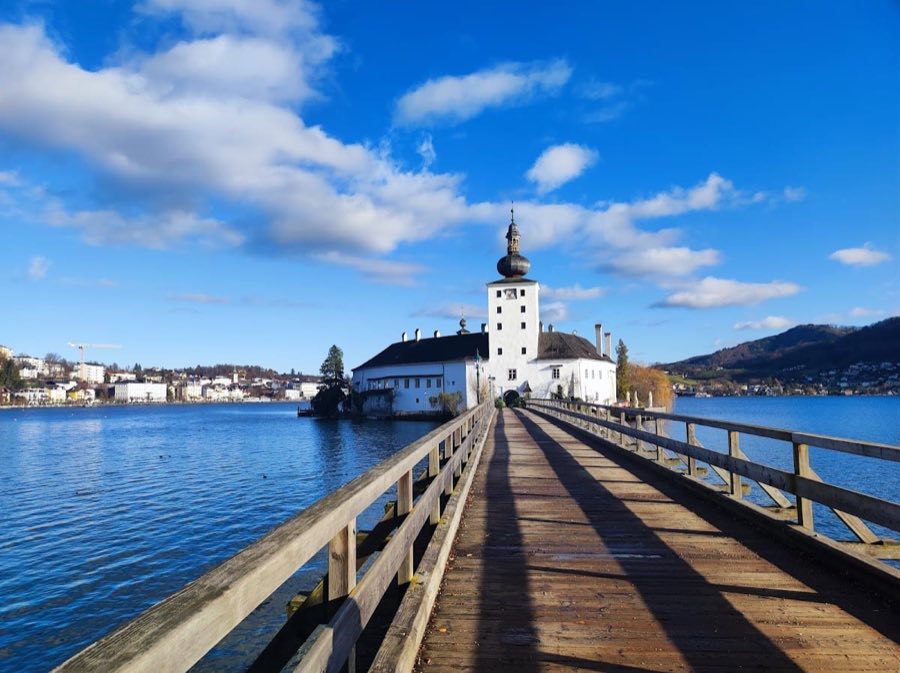
No. 30227
Schloss Ort
Austria
CastleRestored10th century
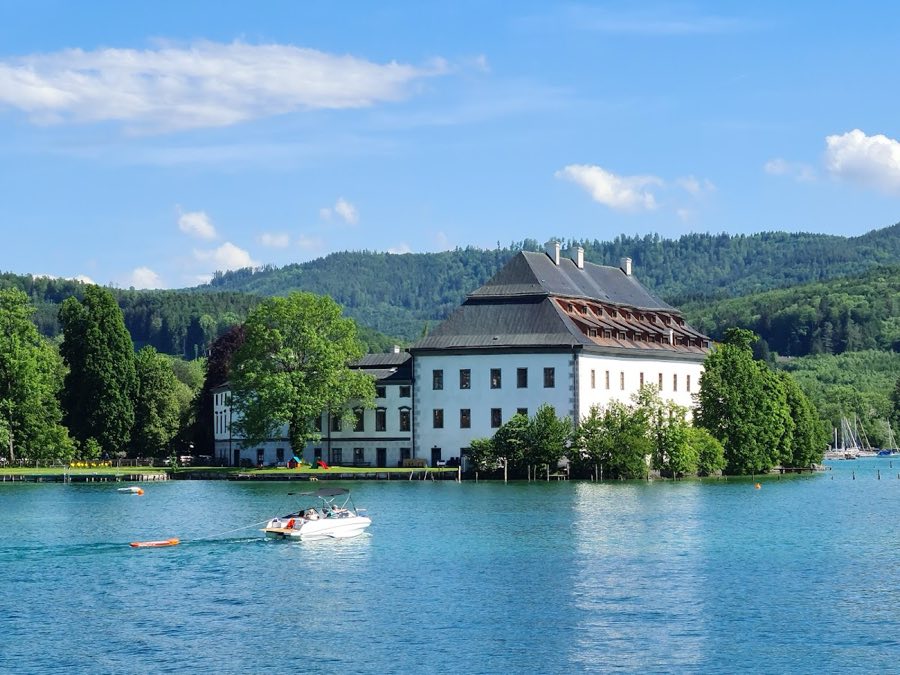
No. 86456
Castle · Austria
No. 86456 · 47.946 N, 13.591 E
For rent
Kammer Castle is marked for bookable castle accommodation. Nightly pricing, sleeps count, stay rules, and amenities are displayed only when public operator data is available.
Rental type: Hotel / bookable stay, Short-stay rental
Short-term availability: Bookable accommodation signal
Quick summary
Kammer Castle is a castle in Austria with origins associated with the 13th century.
See all castles in AustriaKammer Castle in Schörfling am Attersee, Austria, is a medieval lake castle whose origins reach back to around 1200 and which became an important feudal seat in the later Middle Ages. By the mid-13th century the stronghold belonged to the Schaunberger family and their retainers, and the site served as a local centre of noble authority in the region.
The earliest named proprietors appear in the 12th and 13th centuries, with individuals recorded in 1165 and again in 1249. A fortified residence stood on the site by about 1200, and by 1260 the castle formed part of the Schaunbergers’ territorial holdings; some of their vassals later adopted the castle name. In the late 14th century the building became embroiled in a noble conflict between Duke Albert III of Austria and Count Heinrich von Schaunberg. During that dispute the stronghold was taken for the duke by Reinprecht von Walsee around 1380, and in 1386 control passed to the Habsburg dynasty through a compulsory sale.
Under Habsburg ownership the estate was repeatedly pledged or granted in fief to various noble families, and imperial custodians administered the property in the later 15th century. In 1570 the lordship reverted to Emperor Maximilian II. A few years later, in 1581, Emperor Rudolf II sold Kammer together with nearby Kogl and Frankenburg to Johann Khevenhüller; he was elevated to the comital rank in 1593 and his domains were consolidated as the County of Frankenburg. The Khevenhüller family retained the castle for several centuries, keeping it through the period of Bavarian military occupation of Upper Austria from 1810 to 1816.
Financial strain prompted the sale of the estate in 1904 and it passed through a series of private hands during the 20th century, including owners by marriage and later the Jeszenszky family until the early 1990s. For a time in the 1960s the castle operated as a hotel. The main roof was repaired in 1970, and in the early 1990s Elisabeth Max-Theurer purchased and carried out a thorough renovation that halted further decay. The Republic of Austria placed the property under monument protection in 1993 (registration number 37478). The Max-Theurer family became the recorded private owners from 1994, while a large portion of the castle park entered municipal ownership and is open to the public. The castle and its lime-tree avenue were the subject of numerous early 20th-century paintings by Gustav Klimt.
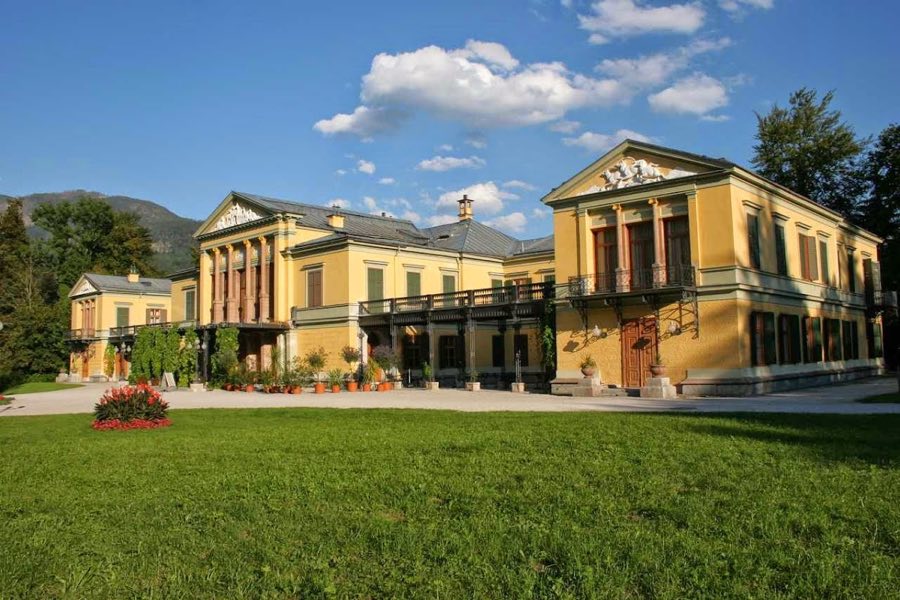
Kammer occupies the shore of the Attersee and began as a water-castle originally set on an island; sedimentation has since linked it to the mainland so it now sits on a peninsula. The principal building is a substantial rectangular block of three storeys, flanked by two lower side wings that together form an inner courtyard. An alternative description records the courtyard as pentagonal. During the 17th century the medieval fortress was reshaped into a residential lake castle, and the gatehouse plus the low lateral wings with ground-floor arcades were added in that rebuilding phase.
A defensive ditch was created in the early 18th century under the counts of Khevenhüller, providing an additional barrier around the site. The main block rises beneath a prominent roof, and the approach is defined by a long avenue of lime trees that leads to the castle gate; a pergola stands directly in front of the principal tower. The side wings open onto the inner courtyard via arcaded ground floors, forming a sheltered central space.
Inside, a grand staircase dated 1748 ascends to the principal hall, which serves as a ballroom or ceremonial chamber and is noted to accommodate as many as 500 persons. The principal reception rooms include large salons finished with inlaid parquet floors, full-length mirrors, Venetian glass chandeliers, historic furnishings and sizeable oil paintings. A chapel from the 18th century is dedicated to the Virgin Mary and retains an 18th-century stucco ceiling and related stucco decoration.
The building has been repaired and conserved in the modern era: the roof received attention in 1970 and a more extensive renovation took place in the early 1990s. The castle fabric today stands restored and remains in private ownership, while much of the surrounding park belongs to the local municipality. The lime-tree avenue and lakeside setting continue to be defining features of the ensemble.
No. 30227
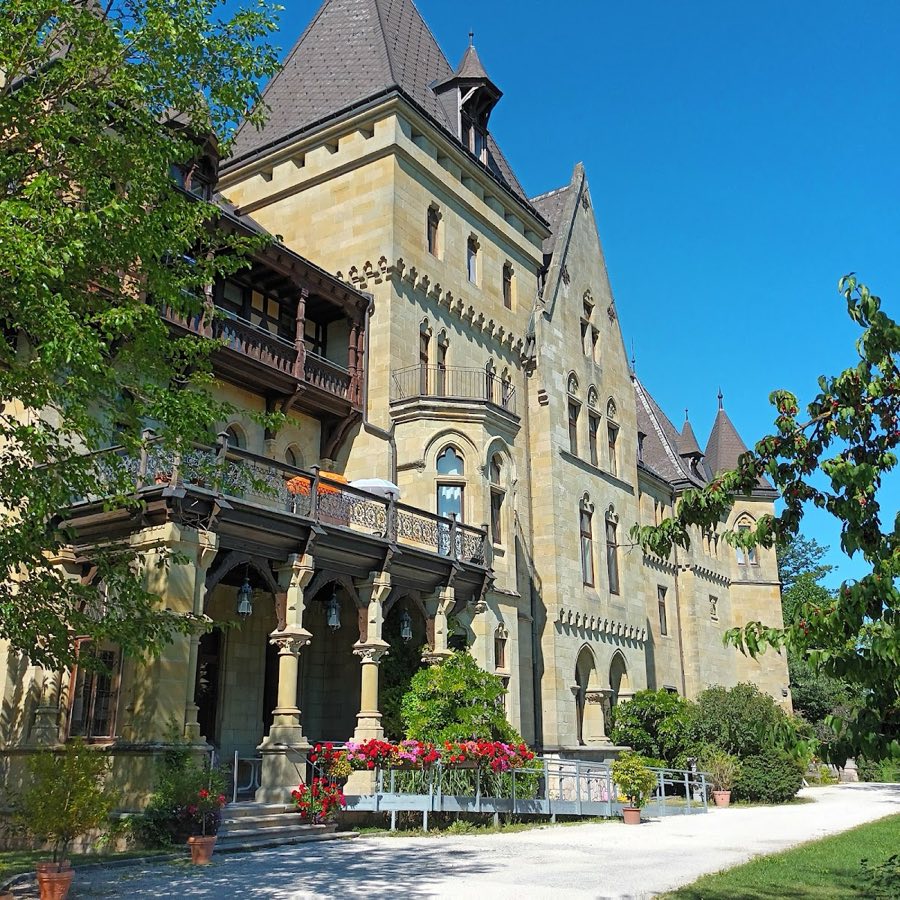
No. 43043
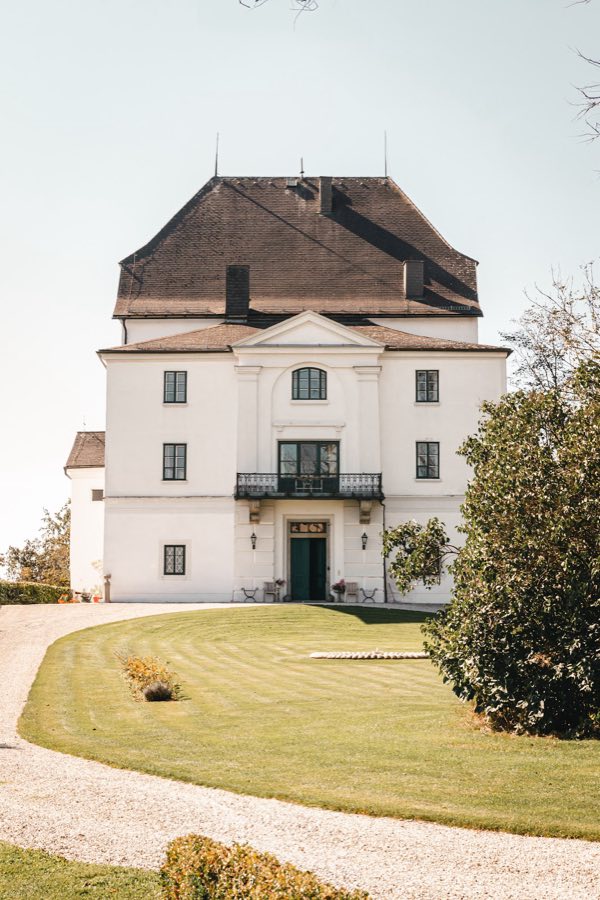
No. 53234
No. 51512
Comments
Comments for Kammer Castle will require a verified account before posting.
We'll send a verification link before your first comment is published.