No. 11216
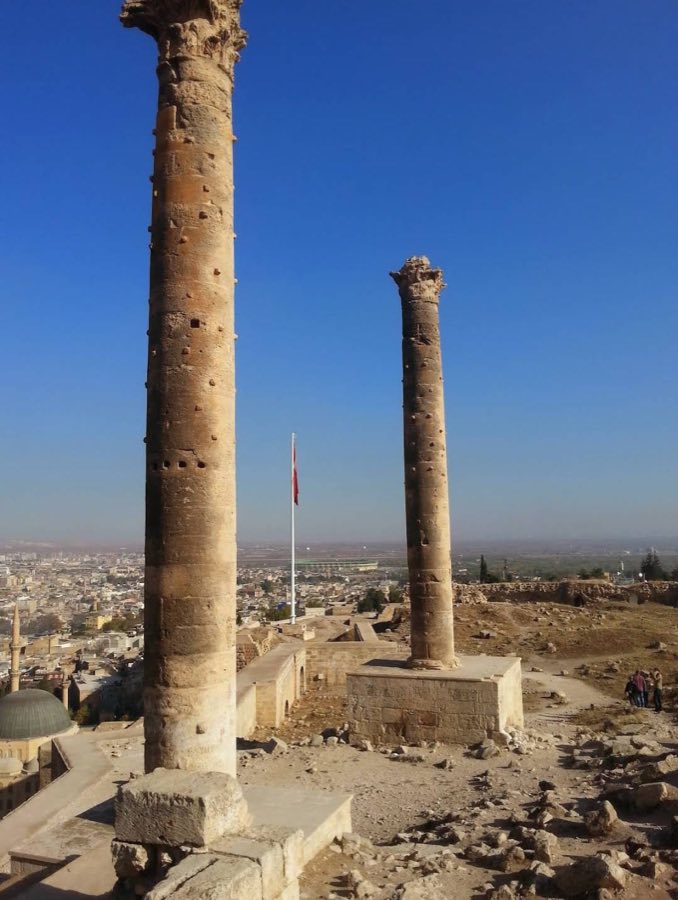
Şanlıurfa Castle
Turkey
CastleIntact3rd century
No. 64514
No. 64514 · 37.315 N, 40.738 E
Quick summary
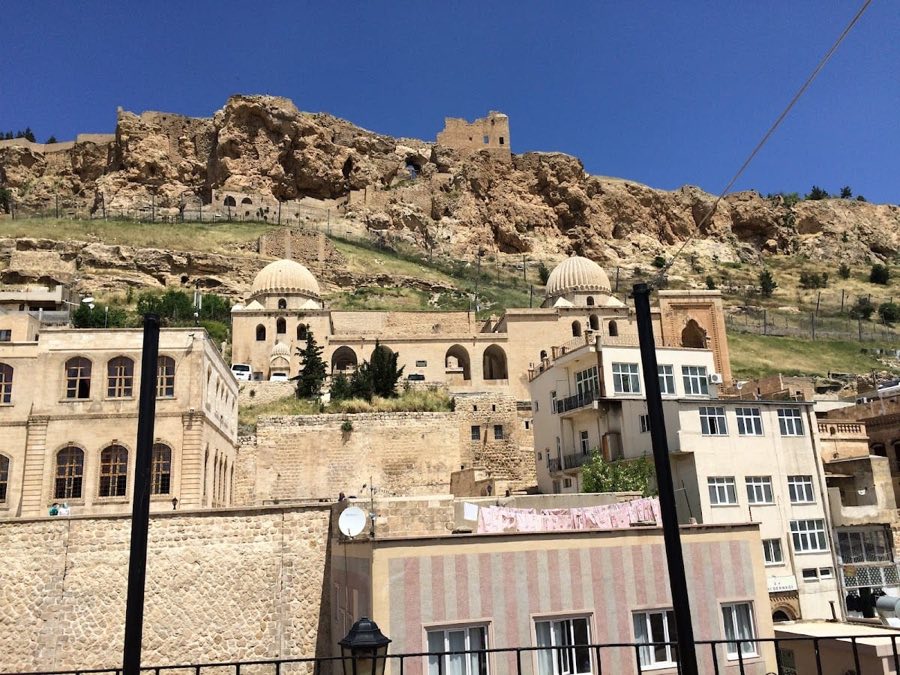
Mardin Castle is a castle in Turkey with origins associated with the 4th century.
See all castles in TurkeyMardin Castle is located in the city of Mardin, Turkey, and has served as a significant defensive fortress for over three millennia. Its earliest origins trace back to a legend crediting the construction to a Babylonian Zoroastrian named Shad Buhari in the 4th century BCE. According to this story, Shad Buhari recovered from an illness after staying atop the hill and chose the site to build a palace, which later became the foundation of the fortress known historically as the Eagle’s Nest.
The primary phase of construction occurred much later, beginning in the 10th century under the Hamdanid dynasty, a period marked by regional power shifts in Upper Mesopotamia. This initial fortification work laid the groundwork for further development under the Artuqid dynasty, which ruled from the 11th through the 13th centuries. The Artuqids expanded and strengthened the castle, maintaining its military and political importance in the region.
During the Ottoman era, the fortress saw partial restoration under Sultan Selim III, whose reign aimed to bolster the empire’s defenses. Despite these efforts, the castle gradually fell out of active use by the end of Ottoman control. In the early 20th century, Mardin Castle took on a tragic role as a prison and detention center for Orthodox and Catholic Armenians during the Armenian genocide, where many were held before execution.
More recently, the castle has been fortified to prevent rockfalls threatening the city below, acknowledging both its historical value and the practical need to protect modern inhabitants. As of the early 21st century, Mardin Castle remains a military installation under NATO and hosts a radar facility, underscoring its ongoing strategic significance due to its position near the borders of Syria and Iraq.
Mardin Castle occupies a commanding location approximately 1,000 meters above the surrounding Mesopotamian plain, offering extensive views of the landscape below. Its design reflects its primary function as a fortified stronghold, featuring defensive walls that enclose the site. The structure’s endurance over centuries has necessitated ongoing reinforcement efforts, especially to stabilize sections of the fortress where rockfalls posed risks to the adjoining urban areas.
While detailed descriptions of the castle’s layout are limited, it is clear that its construction reflects the typical defensive architecture of medieval fortifications in this region, combining natural elevation advantages with man-made stone walls. These walls served as barriers against invaders and leveraged the height of the hill to maximize visibility and control.
The materials used in building the castle have not been described in detail, but its survival through multiple historical periods indicates the use of durable stone. The reinforcement projects conducted in recent decades point to a structure that has required careful maintenance to preserve its integrity.
Although artistic elements or inscriptions have not been documented, the fortress’s strategic siting near the borders of Syria and Iraq reflects its military importance, both historically and in the present day. Today, visitors can access the outer ramparts to observe the city of Mardin, but the interior remains under military control.
No. 11216
No. 78175
No. 50595
No. 94062
Comments
Comments for Mardin Castle will require a verified account before posting.
We'll send a verification link before your first comment is published.