No. 28962
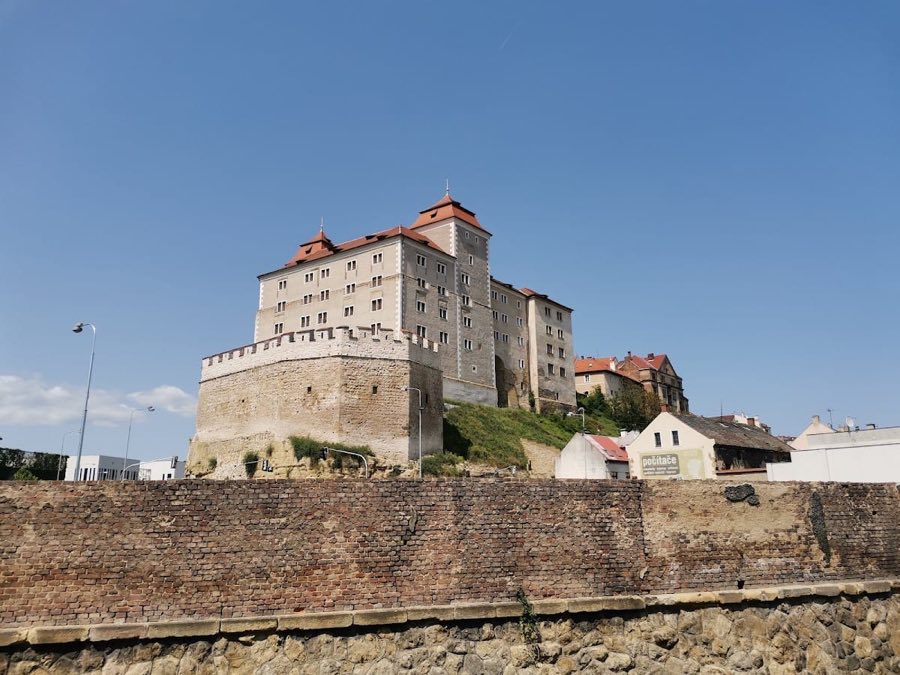
Mladá Boleslav Castle
Czechia
CastleRestored11th century
No. 40329
Castle · Czechia
No. 40329 · 50.436 N, 14.888 E
For events
Michalovice Castle is marked as a château or castle venue lead. Capacity, indoor/outdoor spaces, catering rules, and accommodation options are published only after public verification.
Event types: Private events, Cultural gatherings, Filming and photography
Quick summary
Michalovice Castle is a castle in Czechia with origins associated with the 13th century.
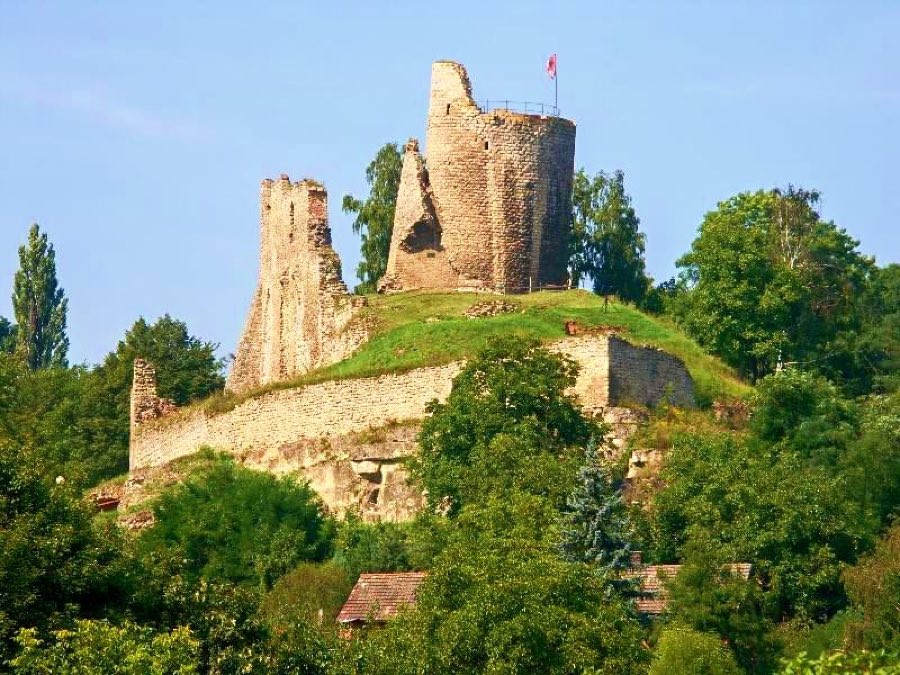
See all castles in CzechiaMichalovice Castle stands near the village of Podlázky in Mladá Boleslav, Czechia, and was built by members of the medieval Bohemian nobility. Its origins trace back to the second half of the 13th century, founded by the influential Markvartice family, who chose a steep promontory overlooking the Jizera River as the strategic location for its construction. This hilltop position, about 3 kilometers northwest of Mladá Boleslav, provided natural defense and control over the surrounding landscape.
The earliest confirmed historical mention of the Michalovice lineage dates to 1281, with Jan of Michalovice noted for his active role in knightly tournaments both within the region and abroad, including events in the Rhineland and France. The lords of Michalovice were steadfast allies of the Bohemian kings, holding prominence among the Czech aristocracy throughout the Middle Ages. Their status and loyalty secured them regional importance until the family’s male line ended in 1468. This occurred when Jindřich Kruhlata of Michalovice perished at the Battle of Turnov, marking the conclusion of their direct influence.
Following the extinction of the family line, ownership of Michalovice Castle transferred by marriage to the Tovačovský family. However, the new proprietors did not take up residence nor invest in maintaining the fortress. As a result, within decades the castle fell into disuse and was described as abandoned by 1513. Over the centuries, the site succumbed to decay and was targeted by treasure hunters during the 19th century. These activities inflicted further damage, such as undermining the main tower and causing it to lean as sections collapsed. Significantly, workers repairing the tower in 1935 uncovered a hoard of about 470 silver coins dating from the period of the Thirty Years’ War beneath the ruins, providing a glimpse into the castle’s layered history.
In recognition of its cultural and historic value, the castle ruins have been protected as a cultural monument since 1967. Additionally, the tower has functioned as a vantage point since the early 20th century, highlighting the continual connection of the site to the region’s heritage.
Michalovice Castle exemplifies early Gothic fortress construction, erected atop a sharply triangular promontory that overlooks the Jizera River, taking advantage of the natural defenses offered by the terrain. The original structure replaced an earlier manor house, establishing a fortified complex that centered on a compact layout adapted to the shape of the hill.
At the front of the castle, the outer bailey, or předhradí, occupied an approximately square area bordered by a moat for added protection. Today, only a small portion of its southwest wall survives, offering a glimpse of the defensive enclosure. Entry to the main castle occurred by crossing a second moat, passing through a narrow barbican—a fortified gateway—and arriving into the central courtyard.
The most prominent surviving element is the Putna tower, an imposing structure with a unique design featuring two separate entrances. One led to the first floor, where there was an opening in the floor that allowed access directly to the ground level below. The other entrance opened to the second floor, from which a passage embedded within the thickness of the walls provided a route up to the third floor. Both the first and second floors of the tower contained vaulted chambers topped with domed ceilings, indicating sophisticated medieval masonry techniques. The leaning angle of the tower today results from undermining work carried out by 19th-century treasure hunters, causing the structure to split and tilt.
Behind this tower stood a palace built with an L-shaped ground plan, where remnants remain visible. Particularly notable are the traces of two garderobes—medieval latrines—embedded in the southern wall, which reflect aspects of domestic life within the castle. A wide barbican encircled the rear and sides of the inner castle, serving as an additional defensive feature that emphasized layered protection.
The discovery of the 1935 silver coin hoard beneath the tower adds an important archaeological dimension to the site. These coins date from the time of the Thirty Years’ War, testifying to the castle’s historical relevance beyond its medieval origins and hinting at the occupants’ attempts to safeguard valuables during turbulent times.
Together, the surviving structures and archaeological finds portray Michalovice Castle as a medieval fortress shaped by strategic needs, social status, and the upheavals of Central European history.
No. 28962
No. 64715
No. 35240
No. 89855
Comments
Comments for Michalovice Castle will require a verified account before posting.
We'll send a verification link before your first comment is published.