No. 90682
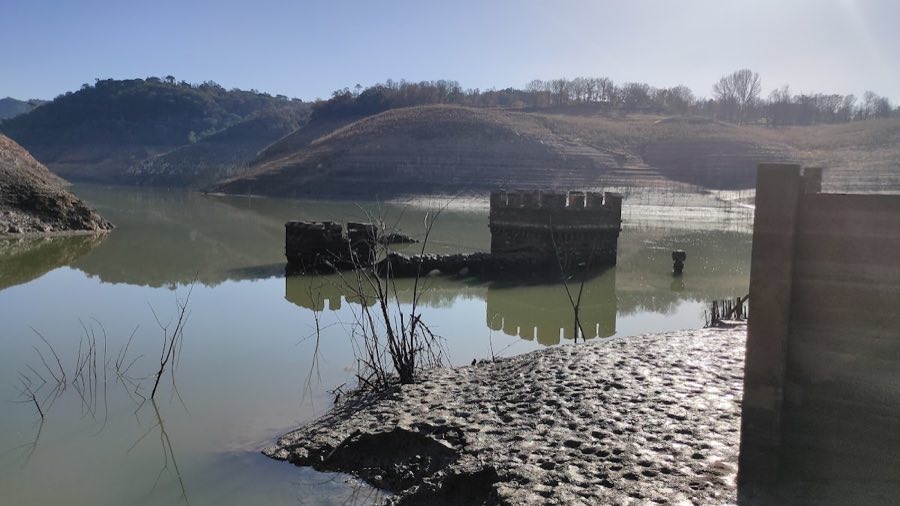
Castell del Far
Spain
CastleRuin6th century
No. 52059
Castle · Spain
No. 52059 · 41.723 N, 2.433 E
Quick summary
Montclús Castle is a castle in Spain with origins associated with the 10th century.
See all castles in SpainMontclús Castle stands within the municipality of Sant Esteve de Palautordera in present-day Spain. Its origins trace back to a medieval Catalan civilization that established the stronghold during the early Middle Ages.
The earliest phase of the castle’s history dates to the 10th century when an initial structure was erected, which later served as the foundation for a more extensive fortification built across the 11th and 12th centuries. This initial establishment featured a circular tower adjacent to a hall and formed the core of the site’s defensive layout. From the mid-11th century onward, Montclús castle served as the center of a local barony governed by the Montseny family. These lords operated under the authority of the Knights Hospitaller, a religious and military order connected to the commandery of Sant Celoni.
Between 1230 and 1263, the castle gained renewed prominence when Guillem de Sesagudes adopted the Montclús surname and formally took lordship over the castle. Ownership shifted in 1275 when Ramon de Cabrera acquired the stronghold, and this family maintained control through the 15th century. A significant legal change occurred in 1403 as Bernardí de Cabrera purchased the chief lordship rights from the Hospitaller order, ending the castle’s feudal dependence on the religious commandery.
During the 14th century, the castle underwent architectural transformation aimed at adapting it towards residential use, turning the medieval fortress into a palace-like residence. The nearby chapel dedicated to Santa Margarida was restored early in the 16th century but fell into ruin by the mid-18th century. Following the chapel’s deterioration, authorities allowed its relocation to a nearby field called Parellada in 1739. Archaeological activity at the site began in 1995, leading to further study and restoration efforts initiated the following year to recover the historical fabric of Montclús Castle.
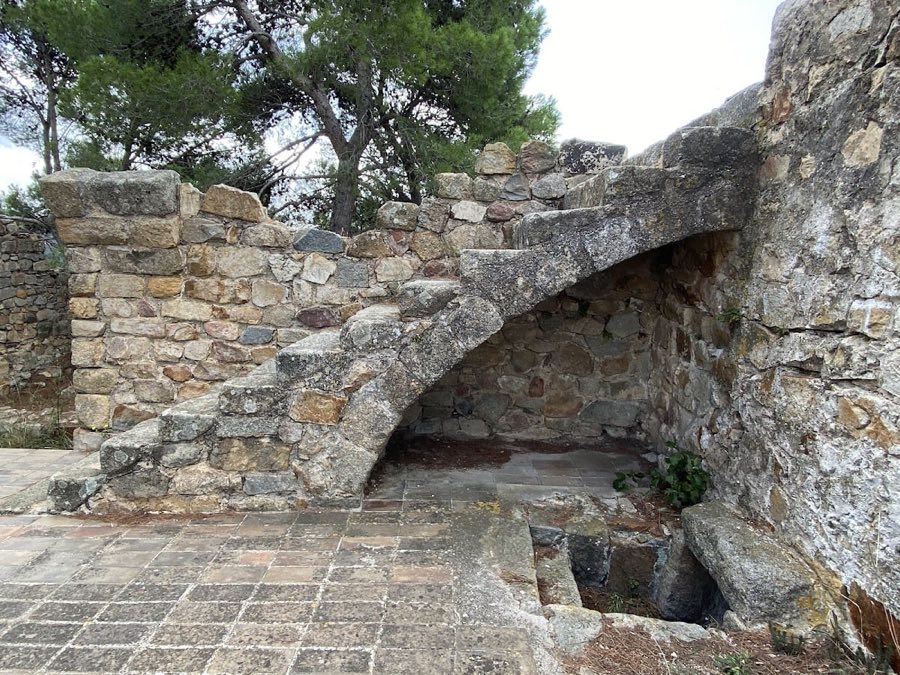
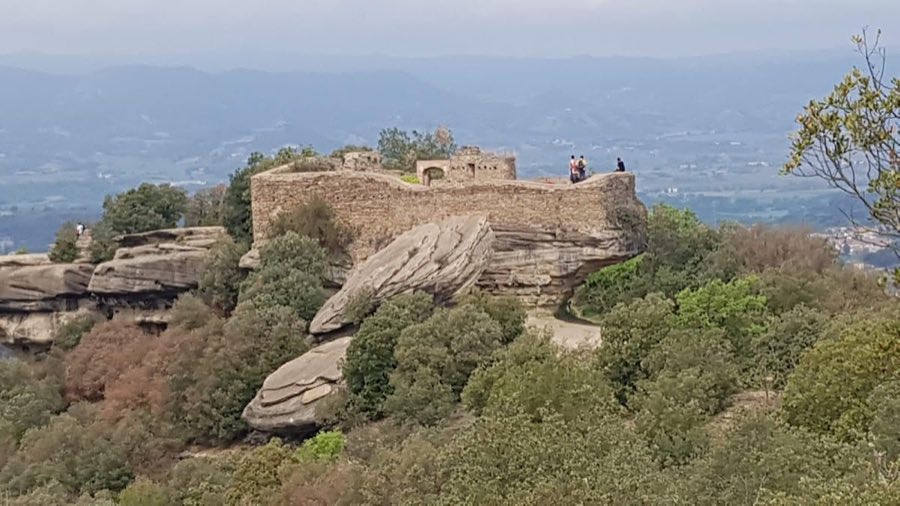
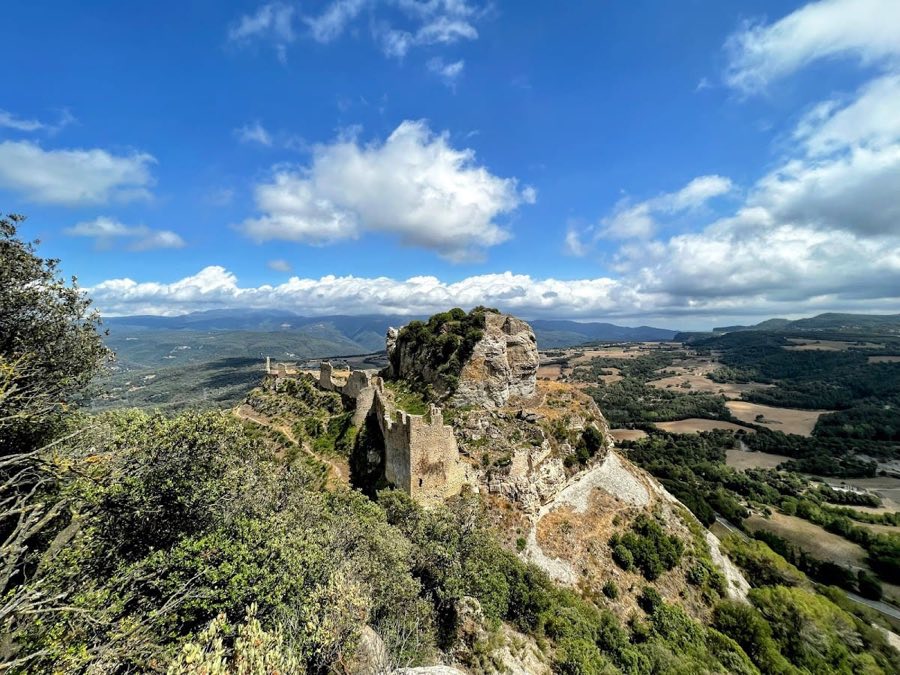
Montclús Castle sits strategically on the foothills overlooking the plain of Palautordera, its location chosen for natural defense and difficult access. The earliest surviving architectural element is a circular tower, dating from the earliest construction phase, which remains standing to a height of 3.5 meters. Adjoining this tower is a hall enclosed by walls reaching up to two meters high, composed of irregular stones with distinctive sections laid out in an opus spicatum pattern—a herringbone masonry technique common in medieval construction.
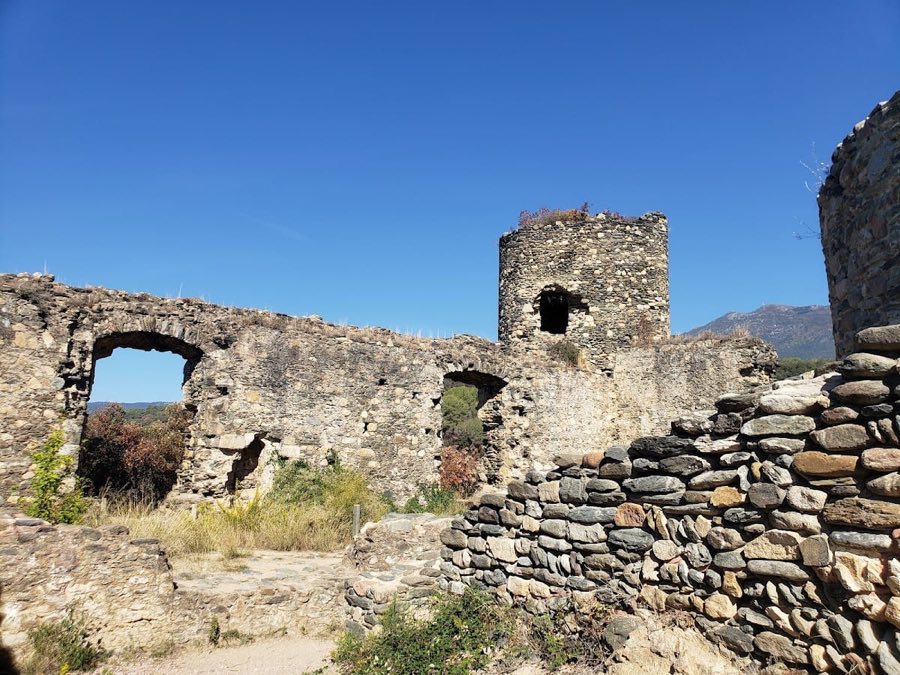
Later medieval additions expanded the castle’s defenses with a roughly square enclosure, likely constructed in the 13th or 14th century. Within this enclosure rises a tower featuring several lowered arches, serving both as a vantage point and structural support. The better-preserved north and west walls of this enclosure reflect the evolving needs of the castle’s inhabitants during a period of increased fortification.
Near the main enclosure, archaeologists have uncovered a relatively tall defensive wall equipped with arrow slits and battlements. This wall likely formed the main entrance to the castle, providing protected access and effective means of defense against attackers. The masonry throughout the site blends irregular stonework with dressed blocks carefully arranged in herringbone patterns, illustrating construction phases that span several centuries.
The chapel of Santa Margarida, located nearby, was an important religious structure associated with the castle until its decline in the 18th century. Today, access to Montclús Castle is via a dirt path crossing the Tordera River close to where the chapel once stood. The site’s historical and cultural significance has earned it official recognition as a cultural asset of national importance in Spain.
No. 90682
No. 97955
No. 55739
No. 18836
Comments
Comments for Montclús Castle will require a verified account before posting.
We'll send a verification link before your first comment is published.