No. 26768
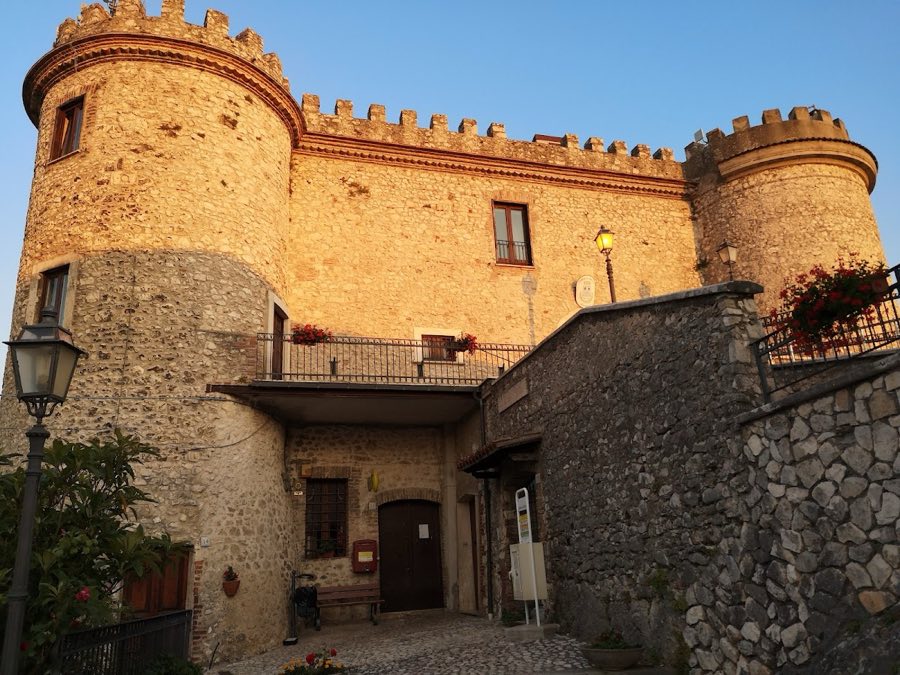
Castello di Oricola
Italy
CastleRestored11th century
No. 52805
No. 52805 · 42.068 N, 13.250 E
Quick summary
Palazzo Ducale (Tagliacozzo) is a palace in Italy with origins associated with the 15th century.
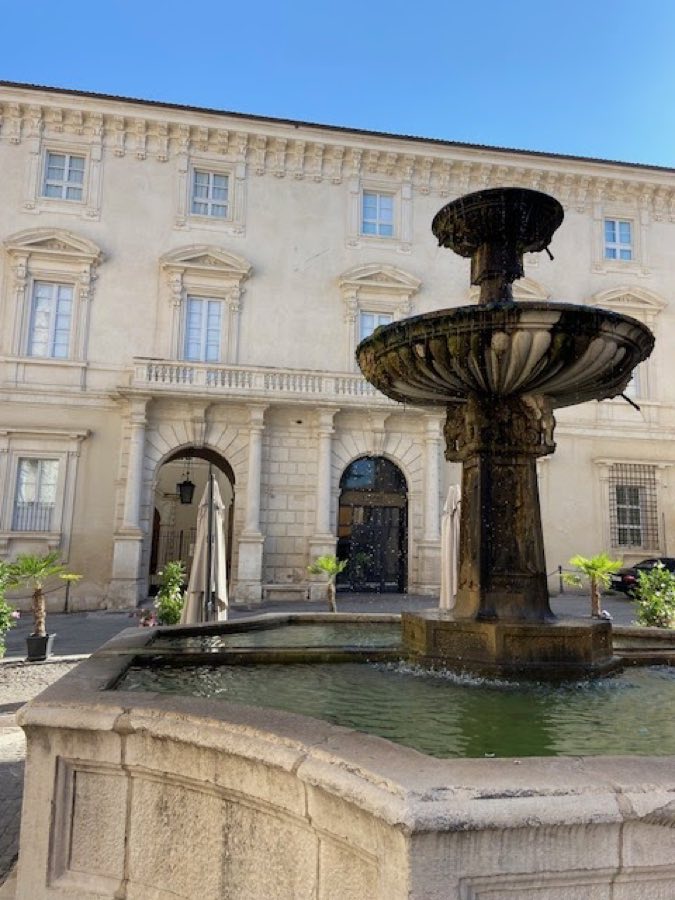
See all castles in ItalyPalazzo Ducale (Tagliacozzo) in Tagliacozzo, Italy, is a medieval ducal palace originally built under the authority of the Orsini family. The building existed by the first half of the 1300s and shows a mixture of late Gothic features on its lower level with a later Renaissance-style upper floor. It served as the administrative center for the county and later the duchy of Tagliacozzo, holding political and territorial importance while the Orsini and, from the mid-15th century, the Colonna families held the local fief.
A document dated 20 April 1336 issued by Orso Orsini confirms the palace by the early 14th century. Within the following century, Count Roberto Orsini carried out substantial work, raising a second floor. To support the new upper storey he enlarged the load-bearing wall of the first floor; that structural change forced abandonment of a planned late Gothic portico. These works altered the building’s intended composition and produced the two markedly different floors visible today.
From 1467, when the Colonna became counts of Tagliacozzo and controlled much of the surrounding territory, they removed many ornamental references to the displaced Orsini and introduced their own heraldry and motto throughout the palace. In the 1700s the Colonna inserted a new internal flight of stairs to link the lower and upper levels and opened a new main entrance portal, further changing circulation and access.
The Colonna retained ownership into the first half of the 1800s. Later private owners included the Barberini–Corsini family. After the 1915 Marsica earthquake, the palace housed the curia (bishop’s administrative office) of the Diocese of the Marsi, also known as the Diocese of Avezzano, until 1924 while the diocese had to leave its seat in Pescina. During the Fascist period, the building underwent large-scale restorations that added an honor staircase and removed some rooms along with associated mythological mural paintings. The Italian Lictor Youth occupied the palace during that era. Part of the palace’s painted decoration suffered losses during the Second World War. In the late 20th century and again in 2008, remediation and restoration works were carried out on extensive portions of the building. Ownership eventually passed to the regional authority of Abruzzo.
The palace covers roughly 4,000 square metres of interior space and is organised on two clearly different levels. The lower storey retains many decorative features from the late Gothic period, most evident in its window forms, while the upper storey reflects Renaissance proportions and ornament introduced when the second floor was added. The upper-floor construction required the first-floor supporting wall to be widened to carry greater loads, and this change prevented completion of the originally intended late Gothic ground-floor portico.
Circulation features include at least two principal staircases. An internal flight inserted in the 18th century links the first and second floors, and an honor staircase built during the Fascist-era restorations provides an additional, later route between levels. A loggia opens from the palace interior, and a small window looks out over that loggia; decorative work around that opening preserves two smaller heraldic devices.
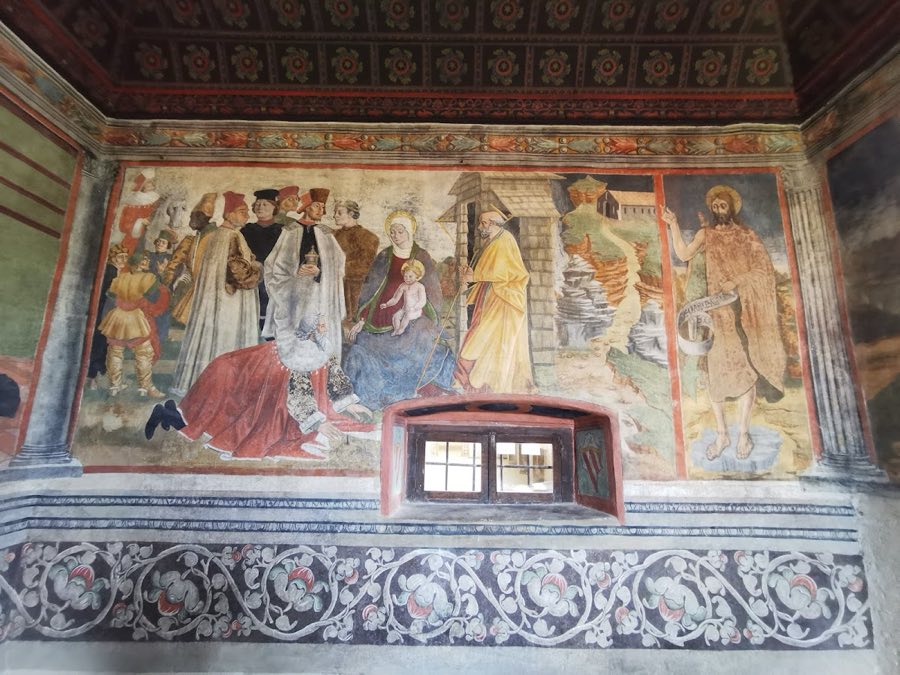
Sculptural and painted decoration survives in several places. Early Orsini heraldry remains: a large coat of arms sits on the hood of a fireplace, several escutcheons are set into the wooden ceiling of a room on the lower floor, and other small arms appear in window ornament. The Colonna family subsequently overlaid much of the decorative scheme with their own coats of arms, motto and emblems. The Palatine chapel contains frescoes dated to the late 15th century that are attributed to Lorenzo da Viterbo. At least one interior chamber retains a wooden ceiling as a finish. Parts of the painted decorative apparatus were lost during the Second World War, and earlier 20th-century restorations also removed some rooms and their mythological wall paintings. Extensive restoration and remediation campaigns in the 1980s and 1990s, and again in 2008, addressed large areas of the fabric and decoration.
No. 26768
No. 66648
No. 28720
No. 60640
Comments
Comments for Palazzo Ducale (Tagliacozzo) will require a verified account before posting.
We'll send a verification link before your first comment is published.