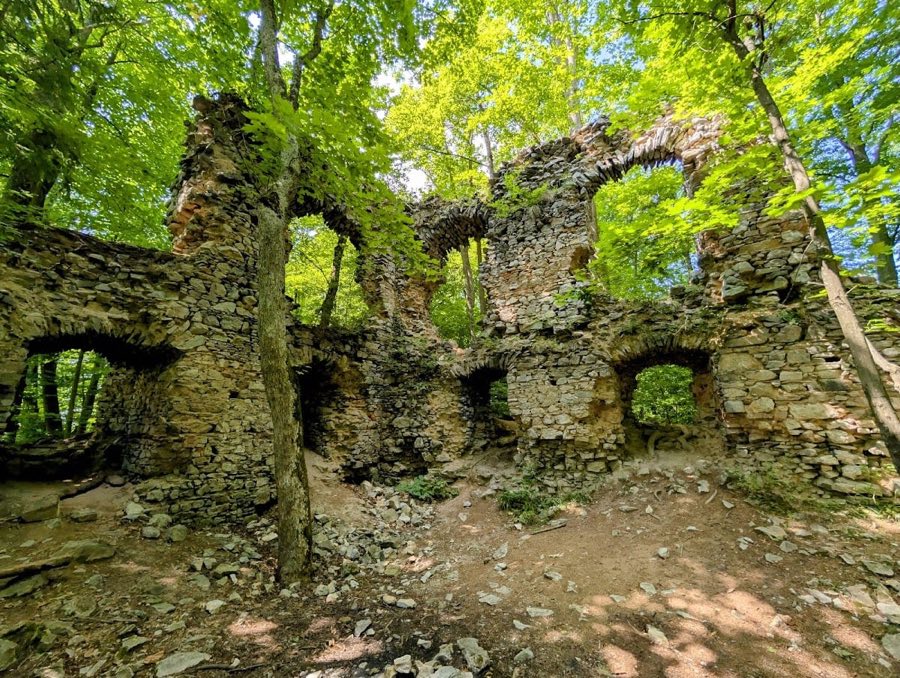
No. 20035
Blansek Castle
Czechia
CastleRuin13th century
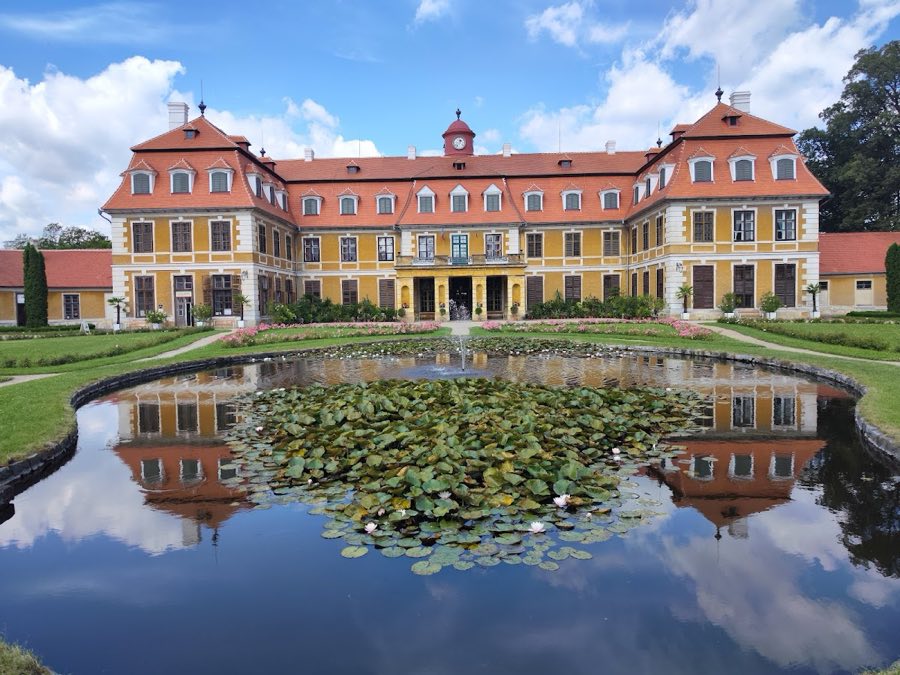
No. 34687
Palace · Czechia
No. 34687 · 49.409 N, 16.644 E
Quick summary
Rájec nad Svitavou Castle is a palace in Czechia with origins associated with the 16th century.
See all castles in CzechiaRájec nad Svitavou Castle in Rájec, Czechia, is an early Neoclassical, Louis XVI–style palace erected between 1763 and 1769. It grew on a site with a long local history and became the residence of the Salm-Reifferscheidt-Raitz princely line, later gaining legal protection as a national cultural monument.
A fortified site occupied the hill known as Hradisko in the thirteenth or fourteenth century; that medieval stronghold was apparently destroyed by the end of the fourteenth century. In 1570 Bernhard Drnovský von Drnovice replaced the ruined fortification with a Renaissance castle, establishing a new noble seat on the hill. Ownership later passed by marriage from the Drnovský family into the Austrian Roggendorf family.
The Renaissance building was consumed by fire in 1746. Following the destruction, the family moved their residence to Sloup and sold the damaged estate in 1763. In that year Count Anton Josef von Salm-Reifferscheidt acquired the property and commissioned the present palace, completing construction by 1769 and making the estate the principal seat of the Salm-Reifferscheidt-Raitz line. The new building was produced from plans prepared by a French architect working in Vienna.
During the nineteenth century the house was adapted and reworked, producing reception rooms that survive from the late 1800s. In the 1950s the first floor was used to house a Salm family painting collection, noted for works by Dutch and Flemish masters. After the Second World War the Czechoslovak state confiscated the property in 1945 under the Beneš decrees, the postwar measures by the Czechoslovak government governing transfer of property following the conflict. By 1949 the ground floor was opened to visitors and for a time a Museum of the Moravian Karst occupied part of the palace.
Restoration of interiors and the surrounding gardens occupied much of the mid to late twentieth century. The palace chapel had earlier served as a Hussite church and was later used for storage; it was restored and made visitable from 2002. From 2002 the building has held legal status as a national cultural monument. After the fall of communism the Salm-Reifferscheidt-Raitz family sought restitution of the estate, and in August 2005 the Constitutional Court confirmed the Czechoslovak citizenship of Hugo, the fifth prince of that line (died 1946), a decision that provided a legal basis for claims to the castle and an associated 7,000 hectares of land. Despite these developments, the palace remained in state ownership.
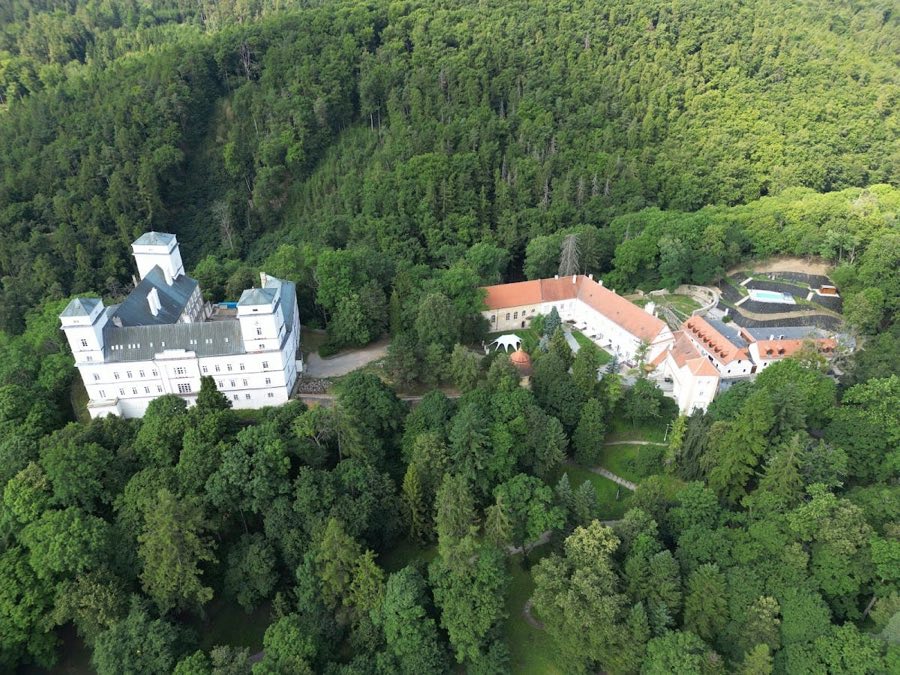
The castle stands as a two-storey Neoclassical palace with a mansard roof and a formal courtyard of honor at its entrance, reflecting the mid-eighteenth-century rebuilding campaign. The main building dates to 1763–1769 and preserves the overall plan and exterior character from that period, while later interventions altered and enriched its interiors and park.
A dovecote, or pigeon house, was built at the same time as the palace and represents an early example of Neo-Gothic taste applied to an estate outbuilding. The surrounding landscape park was founded in 1767 and contains numerous decorative elements and numerous cast-iron sculptures produced for the estate. Many of those metal works were made in the princely Salm ironworks and art foundry in nearby Blansko, and several large pieces survive in situ within the grounds.
Inside, the ground-floor reception rooms largely reflect the final quarter of the nineteenth century in layout and decoration. The first floor was arranged to hold a painting collection in the 1950s, with a concentration on Dutch and Flemish works, and the palace preserves an historic library of more than 60,000 volumes in eleven languages alongside an extensive collection of oriental porcelain. The chapel has been restored and opened for viewing since 2002 after earlier phases of religious use and storage. Overall, the building and its collections have undergone postwar restoration and are maintained as preserved historic interiors and parkland.
No. 20035
No. 58325
No. 31818
No. 96087
Comments
Comments for Rájec nad Svitavou Castle will require a verified account before posting.
We'll send a verification link before your first comment is published.