No. 22064
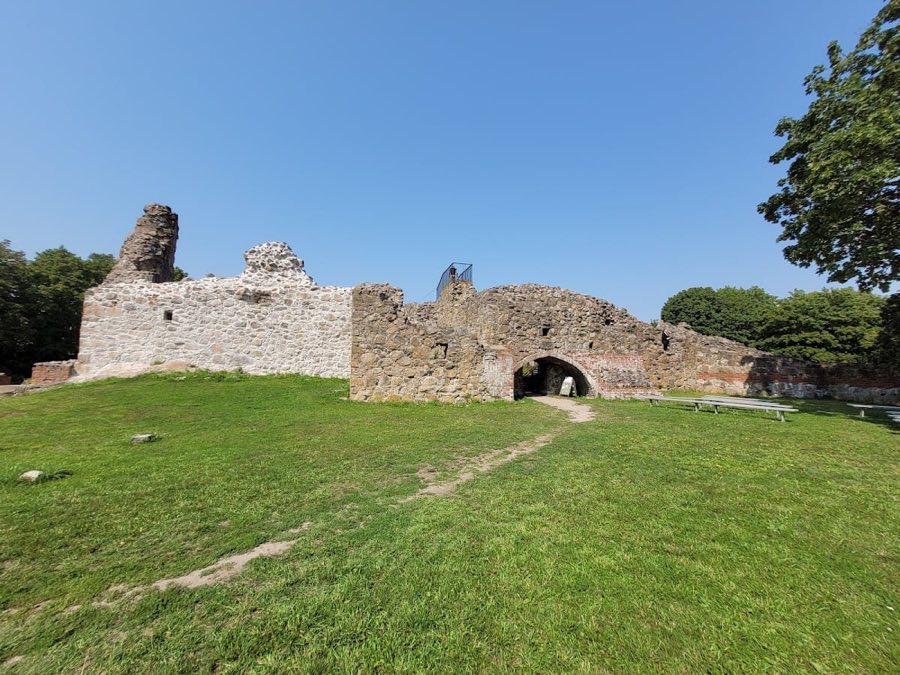
Kuusisto Castle
Finland
CastleRuin14th century
No. 13163
Castle · Finland
No. 13163 · 59.992 N, 23.651 E
Quick summary
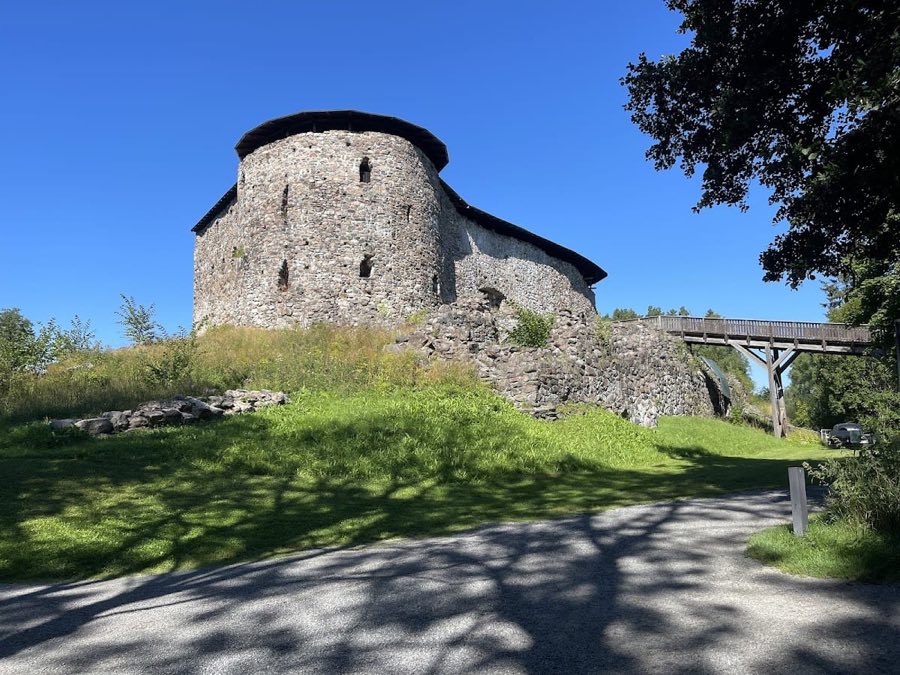
Raseborg Castle is a castle in Finland with origins associated with the 14th century.
See all castles in FinlandRaseborg Castle is located in the municipality of Raseborg in present-day Finland. It was constructed in the late 14th century by Swedish settlers to secure their holdings and trade routes along the coast of the Gulf of Finland.
The castle’s origins trace back to the 1370s when Bo Jonsson Grip, a leading Swedish nobleman, established the fortress on a rocky island in the Raseborg River. The first known record mentioning the castle dates from 1378. Its position was strategic, aimed at protecting the Swedish-controlled Finnish territories from rival powers, including Russians to the east and the Danish and German forces based around Tallinn to the south. Initially, the fortress was a modest horseshoe-shaped structure surrounded by natural cliffs and featured a main tower along with smaller internal watchtowers, functioning both as a military stronghold and an administrative center in this contested border region.
During the first half of the 15th century, the castle saw significant developments. Under the command of royal captain Otto Pogswisch, the garrison became versed in the emerging use of artillery, an innovation that aligned with broader changes in medieval warfare. The 1400s marked the castle’s period of greatest prominence, notably when King Charles VIII of Sweden (Karl Knutsson) sought refuge at Raseborg during his exile between 1457 and 1467. During his residence, the fortress was expanded, adding an outer bailey—a fortified courtyard area—and a round residential tower to enhance both defenses and living quarters.
Raseborg also holds the distinct historical note of being led by a female commander, Christina Eriksdotter, who famously directed the castle’s defense during a siege in 1487 by forces loyal to Sten Sture, a Swedish statesman. Despite a determined stand, the castle was forced to surrender in that conflict.
In the early decades of the 16th century, Raseborg Castle became a focal point in the struggle between Sweden and Denmark for control over the region. Danish forces captured it in 1520, the same year King Christian II ordered the execution of Bishop Hemming Gadh and the castle’s lord Nils Eskilsson on a hill nearby. When Gustav Vasa rose to power and led the Swedish rebellion, he regained Raseborg in 1523. However, over the following decades, the castle gradually declined in importance. Structural damage, including the collapse of its beer cellar in 1558, signaled its waning role. By 1553, with the founding of Helsinki shifting regional priorities, the castle was abandoned.
Later, during the Russo-Swedish wars of the late 17th century, Raseborg experienced brief military reuse as a supply depot. Restoration efforts began in the 19th century, led by Magnus Schjerfbeck in 1839, and continued sporadically into the 20th century. Since 1966, the ruins have been used for cultural activities such as summer theater performances, marking a new chapter in their centuries-long history.
The ruins of Raseborg Castle are situated on what was originally a 14-meter-high rocky island within the Raseborg River. The waterway once provided direct access to the Gulf of Finland, allowing supply boats to reach the fortress. Due to natural land uplift following the last ice age, the river has largely receded, leaving the castle ruins approximately 50 meters from the current riverbank on dry ground. The fortress’s overall design resembles a horseshoe or an uppercase letter ‘D,’ with the curved side facing north, taking advantage of the cliff edges that rise 4 to 5 meters high on the northern and western sides. These steep cliffs acted as formidable natural defenses that required little additional fortification after the initial construction.
The castle’s interior was organized around a long, narrow rectangular courtyard, enclosed by stone foundations of residential and service buildings. These housed higher-ranking servants and guards, indicating a complex and hierarchical community within the walls. On the southern and eastern sides, an outer bailey was added in the mid-15th century, functioning as an additional defensive barrier. The bailey was protected not only by thick stone walls but also by a wide moat filled with water that stretched around the landward approach. This moat spanned roughly 300 meters in length and varied between 12 to 18 meters in width.
Raseborg’s defenses extended into the water as well, where wooden palisades—rows of sharpened stakes—were installed to block enemy ships from reaching the fortress directly. Some remnants of these underwater obstacles remain visible today. The castle’s gates were narrow and specially designed for delivery by boat, hinting at the significance of riverborne supply routes. Horses were notably kept offsite on an adjacent island known as Stallholmen, or Istállósziget, a settlement of local peasants supporting the castle.
One distinct feature from the late medieval renovation phase is the round residential tower, a multi-story stone structure with thick walls that served both defensive and living purposes. Although now partially restored, it offers a glimpse into the living conditions and architectural styles of the era. Excavations have also uncovered vaulted cellars, including a once-sturdy beer cellar that collapsed in 1558, which marks the material decline of the site. Wooden stairs, terraces, and railings reconstructed on-site approximate the original height of the castle walls, estimated at around 15 meters tall during its prime.
The complex extended beyond the fortified walls, with nearby peasant villages and, over time, a larger settlement established on the river’s northern bank. These communities provided essential services and supplies, supporting the castle’s function as a military and administrative hub over several centuries. Together, the ruins and surrounding archaeological traces tell the story of a fortress adapting to changing political and military challenges from the late Middle Ages through the early modern period.
No. 22064
No. 38661
No. 94486
No. 54271
Comments
Comments for Raseborg Castle will require a verified account before posting.
We'll send a verification link before your first comment is published.