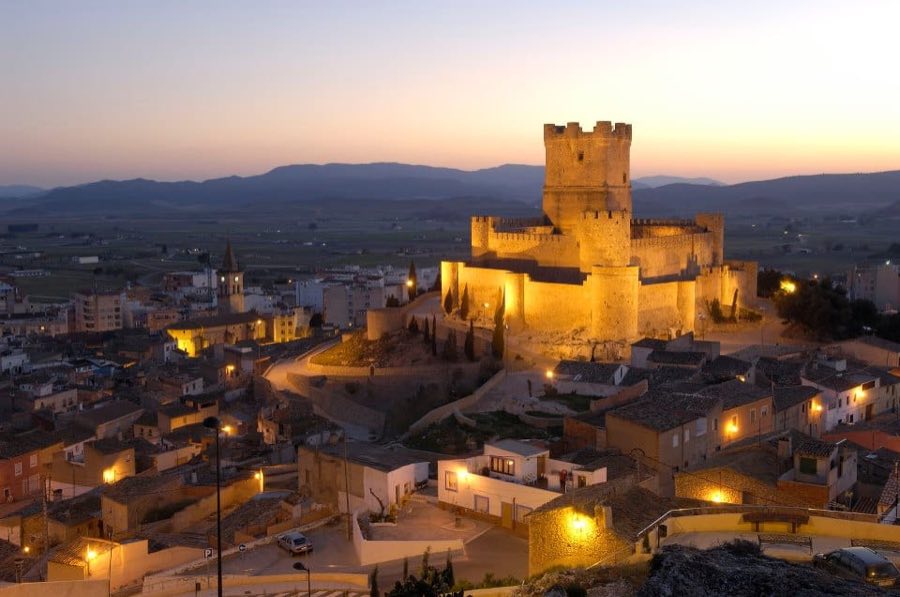
No. 38880
Atalaya Castle
Spain
CastleRestored12th century
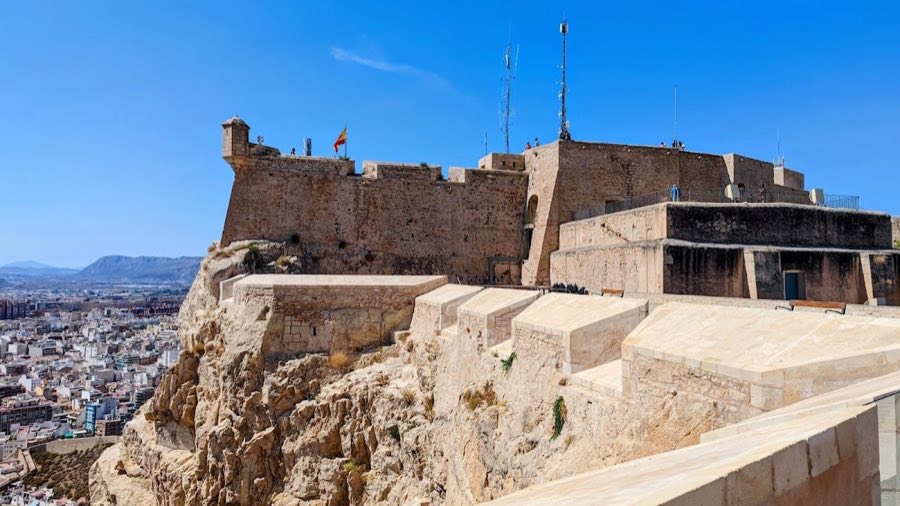
No. 76584
Castle · Spain
No. 76584 · 38.349 N, 0.478 W
Quick summary
Santa Barbara Castle is a castle in Spain with origins associated with the 13th century.
See all castles in SpainSanta Barbara Castle is located on the island of Lanzarote in the Canary Islands, Spain, near the town of Teguise. The site originally featured a tower built by the Genoese explorer Lanzarotto Malocello, who arrived around 1291 or 1312. Malocello is credited with rediscovering the Canary Islands and naming Lanzarote. He constructed a tower near the current castle’s location on the edge of the Guanapay volcano crater.
The indigenous Guanche people resisted foreign control, and about twenty years after Malocello’s arrival, they expelled him. Following his departure, the original tower fell into disuse and was left in ruins. In 1402, the Norman conqueror Jean de Béthencourt found the remains of this early fortification during his expedition to the island.
Starting in 1571, new defensive towers with a rhomboid plan were constructed on the site. In 1588, the current castle was designed by Leonardo Torriani under the orders of King Philip II of Spain. Later, the fortress was reinforced by Agustín de Herrera y Rojas to strengthen its defenses. After losing its military importance, the castle was abandoned for a time.
Restoration efforts began in 1960, led by the association “Amigos de los Castillos,” and continued in 1977 under the Spanish government. Today, the castle serves as the Museum of Piracy, preserving its historical legacy.
The castle stands on the rim of the Guanapay volcanic crater, between 429 and 452 meters above sea level. Its layout includes rhomboid-shaped towers constructed from the late 16th century. These towers were part of the defensive design initiated in 1571 and finalized in 1588 by Leonardo Torriani.
The original tower built by Malocello no longer survives, but the current structure incorporates later reinforcements by Agustín de Herrera y Rojas. The castle’s construction reflects military architecture of the Spanish Renaissance period, adapted to the volcanic terrain.
The fortress is well preserved and has been restored sufficiently to function as a museum. The surrounding landscape features volcanic formations, dunes, and beaches influenced by volcanic and Saharan elements. The site remains a prominent historical landmark on Lanzarote, with its defensive walls and towers intact.
No. 38880
No. 86349
No. 34159
No. 56106
Comments
Comments for Santa Barbara Castle will require a verified account before posting.
We'll send a verification link before your first comment is published.