No. 79352
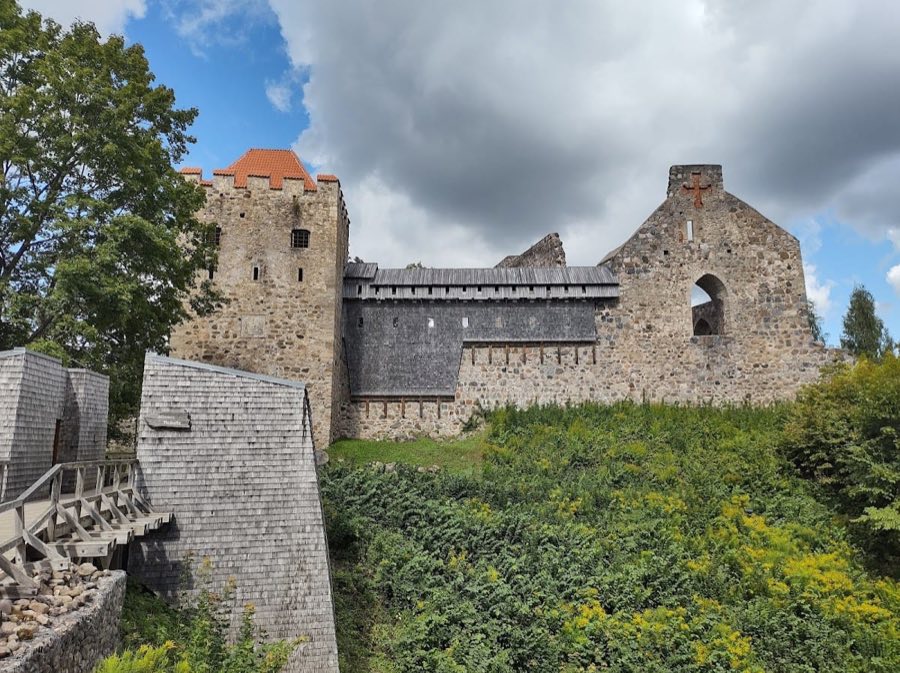
Sigulda Medieval Castle
Latvia
CastleRuinFor events13th century
No. 59361
Castle · Latvia
No. 59361 · 57.166 N, 24.850 E
Quick summary
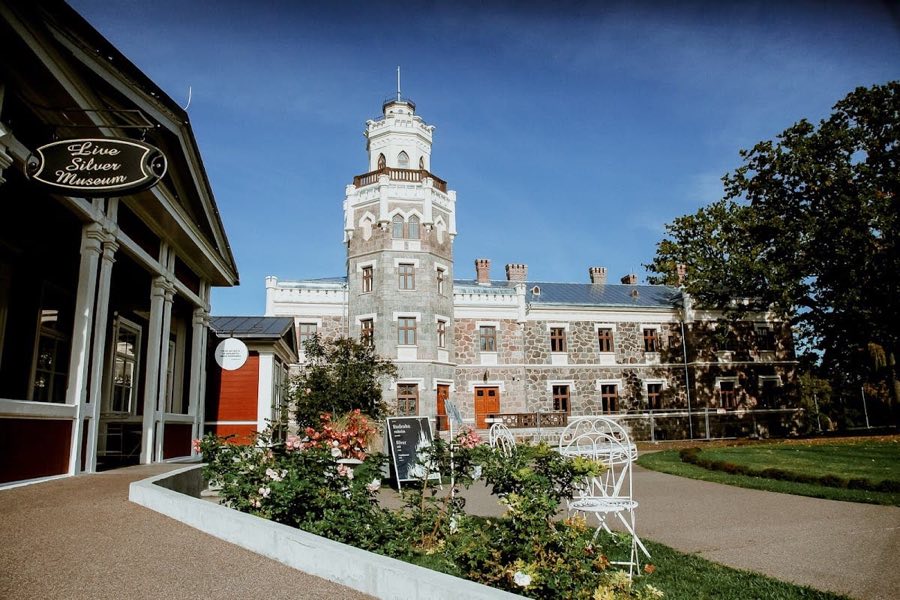
Sigulda New Castle is a castle in Latvia with origins associated with the 17th century.
See all castles in LatviaSigulda New Castle is located in the municipality of Sigulda in modern Latvia. The site’s history is rooted in the development of a manor center that dates back to the 17th century under the rule of Swedish Livonia. Initially, the area was controlled by the Borgh family before passing to the Kropotkin family through marriage.
Between 1878 and 1881, Duke Dmitry Kropotkin and Duchess Olga Kropotkin constructed the present-day New Castle in a Neo-Gothic style. This residence was built on the site of an earlier fore-castle from the 17th century, using stones reclaimed from the medieval ruins that remained there. The manor served as a noble family home until it suffered significant damage during World War I in 1917.
Following important agrarian reforms in 1922, the castle entered a new phase as a creative retreat. Known as the Writers’ Castle, it became a boarding house offering full accommodation to members of the Latvian Union of Writers and Journalists, providing a place for literary work and cultural exchange. In 1934, ownership of the estate was transferred to the Latvian Press Society, which initiated comprehensive renovations from 1936 to 1937 under architect August Birkhans. These changes included adding a higher viewing tower, expanding the terrace, and constructing a second-floor balcony. The interiors were also transformed with modern national art created by prominent Latvian artists, enhancing its cultural significance.
In 1938, a monument honoring Atis Kronvalds, an important figure in the Latvian national awakening, was unveiled in the castle’s front yard. Sculpted by Teodors Zaļkalns, the statue stands as a symbol of Latvian identity linked to the cultural life fostered at the estate.
During World War II, the castle was requisitioned as the headquarters for the German army’s Nord division. An air-raid shelter was constructed near the main courtyard gates for protection. After the war, under Soviet control, the building served first as a recreational facility for government officials and later, beginning in 1953, it operated as a sanatorium managed by the Latvian SSR’s Ministry of Health. Following Latvia’s regaining of independence, the castle became the seat of local government in 1993, housing the council of Sigulda City and later, from 2003, the Sigulda Municipality Council.
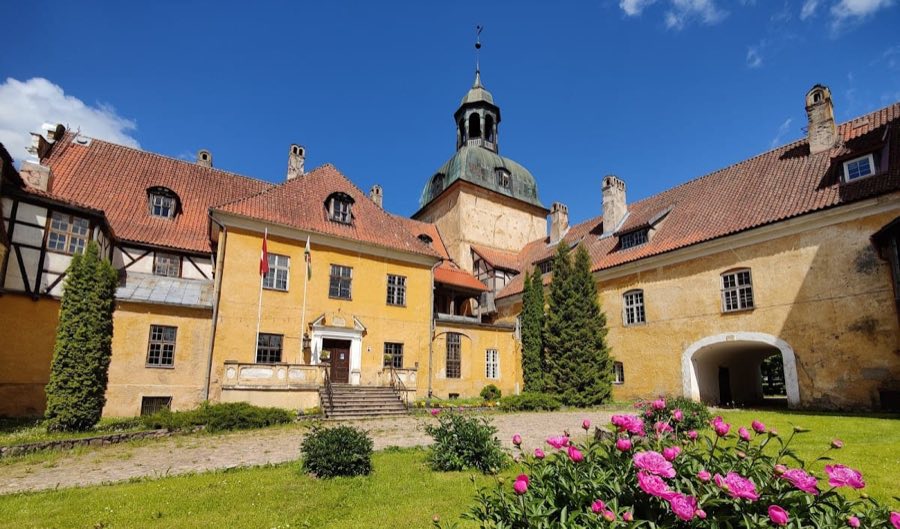
Sigulda New Castle presents as a Neo-Gothic manor built with a simple and clear design plan. Constructed by master builder Jānis Meņģelis from Cēsis, the building integrates stone materials salvaged from the ruins of the 17th-century fore-castle that originally occupied the site. These chipped boulders vary in color, giving the walls a distinctive textured appearance that enhances the castle’s Gothic character.
A prominent architectural feature is the viewing tower, which was elevated during the 1936–1937 renovation, offering commanding views over the Gauja valley and the ruins of nearby castles such as Sigulda Castle, Krimulda, and Turaida. The terrace surrounding the building was also enlarged in this period, and a new balcony was added on the second floor, improving the castle’s outdoor spaces and outlook.
The interior stands out for its artistic redesign completed in the 1930s. Leading Latvian artists including Niklāvs Strunke, Pēteris Ozoliņš, Kārlis Sūniņš, and Vilhelms Vasariņš contributed to richly decorated rooms featuring elements of national modern style. This artistic renovation made the interior one of the most notable in the Baltic states at the time.
Surrounding the main manor house are several preserved auxiliary buildings dating from the 18th and 19th centuries. These include the Summer Castle—a wooden classicist structure that served as an Orthodox church before becoming a boarding house—the White Castle, the vagar’s house (used by the estate’s overseer), servants’ quarters, a barn, laundry facilities, and vegetable and fruit cellars. The entire manor center is enclosed by a wall constructed from chipped boulders, featuring an ornate gate that marks the entrance to the estate.
Near the New Castle’s front yard stands the monument to Atis Kronvalds, installed in 1938 and sculpted by Teodors Zaļkalns, commemorating the notable Latvian educator and writer.
During World War II, a small air-raid shelter was built adjacent to the courtyard gates of the castle, reflecting the site’s military use at the time.
Additionally, the former brewery of the manor has been adapted into a sand art gallery showcasing works by artist Elmārs Gaigalnieks, offering a unique cultural space connected to the estate’s historic complex.
No. 79352
No. 71177
No. 13997
No. 10561
Comments
Comments for Sigulda New Castle will require a verified account before posting.
We'll send a verification link before your first comment is published.