No. 66653
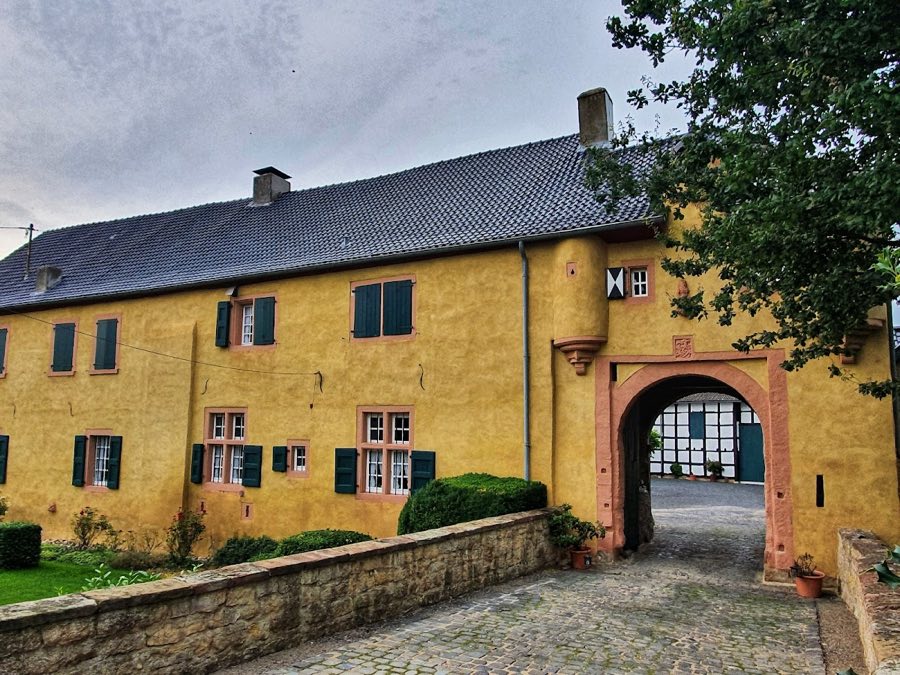
Burg Irnich
Germany
CastleRestored14th century
No. 51746
No. 51746 · 50.516 N, 6.568 E
Quick summary
Stolzenburg (Eifel) is a castle in Germany with origins associated with the 15th century.
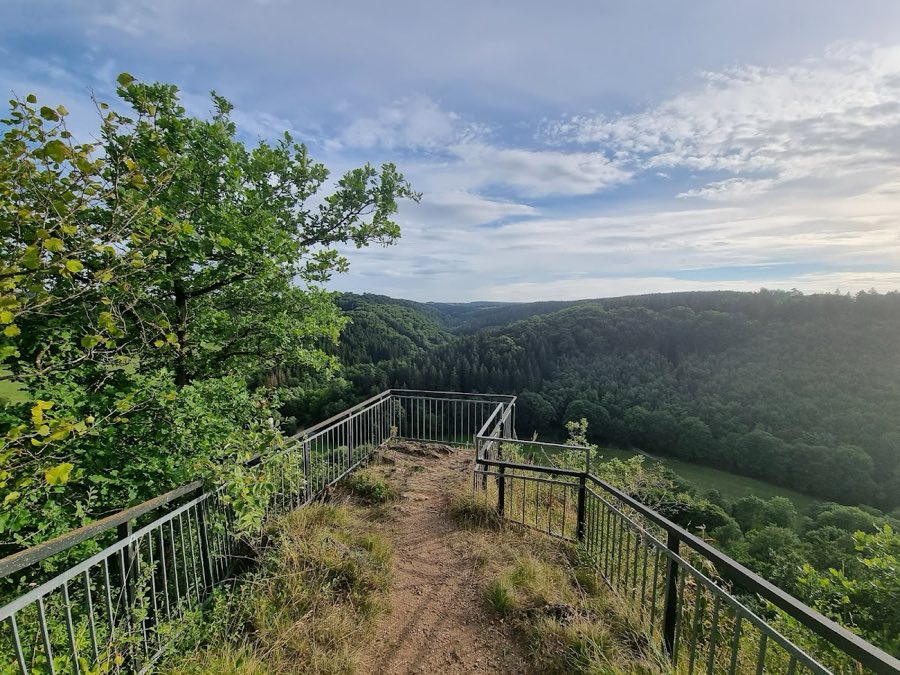
See all castles in GermanyStolzenburg (Eifel) is the ruin of a hill castle in the municipality of Kall, Germany, constructed in the medieval period.
Archaeological finds of pottery point to occupation during the Middle Ages, and the ruin has been interpreted as a medieval stronghold rather than a Roman installation. An early assessment classified the remains as a Roman watch, but that interpretation was later overturned in favor of a medieval origin. One historian proposed that the family of Johann von Sötenich, who is recorded around 1405, may have been among the local lords associated with the site.
A seventeenth-century legal document preserves the name “Stolzenburg.” That document was cited as evidence that the castle may once have been the ancestral seat of the Knights of Dalbenden; those knights later established themselves at the moated Dalbenden castle. A contemporary military-era map labeled the location in terms that linked it to a ruined castle and nearby religious sites; that labeling is judged incorrect and reflects a regional habit of connecting old fortifications with the Knights Templar. In the twentieth century the slopes and meadows around the ruin were placed under landscape protection as the nature reserve “Auen und Hänge an Urft und Gillesbach,” with formal safeguards applied in the 1950s and 1960s.
The castle sits within an oval enclosure about 75 metres long. Surviving masonry traces mark the perimeter and suggest the former arrangement of internal rooms. Wall fragments indicate where residential chambers once stood, and certain sections of masonry alignments are interpreted as the bases of gate towers, though these elements survive only in ruinous form. Ceramic evidence links these constructions to the medieval occupation of the site.
Below ground-level galleries are cut into the hill and remain visible as tunnels. These underground passages were likely used as cellar spaces. The hilltop was defended by a combination of built and earthwork measures: a surrounding wall together with a rampart composed of earth and stone and a protective ditch. On the west side the castle’s builders relied on a precipitous, south-facing slope as natural protection, and no artificial fortifications were placed there.
At the base of the hill the imperial-era Eifel water conduit ran past the castle site; the conduit’s route is now traced by a modern Roman-canal hiking trail. The standing fabric at Stolzenburg is fragmentary, with wall courses and underground galleries in situ; the visible remains offer direct evidence of a medieval hilltop enclosure and its associated service spaces.
No. 66653
No. 70916
No. 19063
No. 93047
Comments
Comments for Stolzenburg (Eifel) will require a verified account before posting.
We'll send a verification link before your first comment is published.