No. 49101
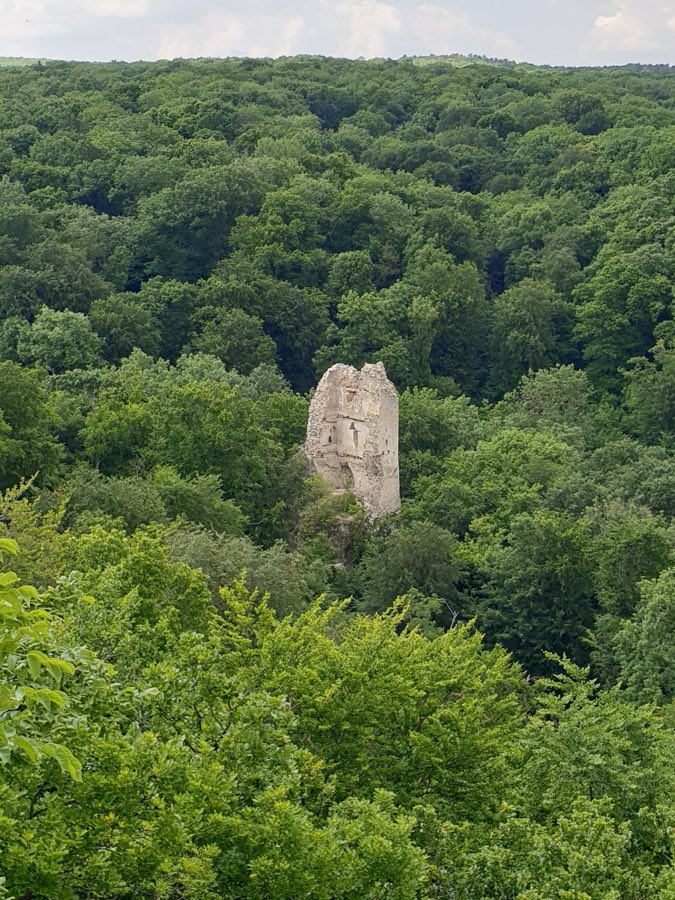
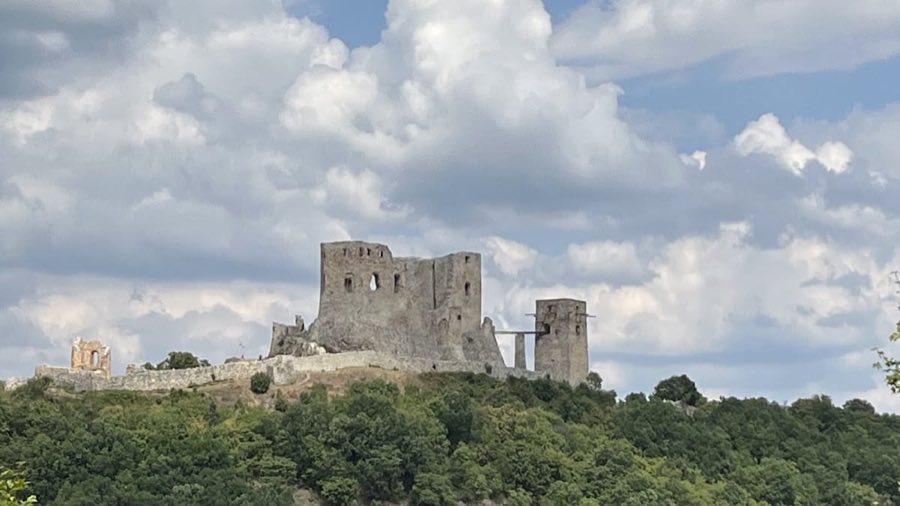
Pusztapalota Castle Ruins
Hungary
CastleRuin13th century
No. 63215
Castle · Hungary
No. 63215 · 47.201 N, 18.139 E
For events
Thury Castle is marked as a château or castle venue lead. Capacity, indoor/outdoor spaces, catering rules, and accommodation options are published only after public verification.
Event types: Private events, Cultural gatherings, Filming and photography
Quick summary
Thury Castle is a castle in Hungary with origins associated with the 13th century.
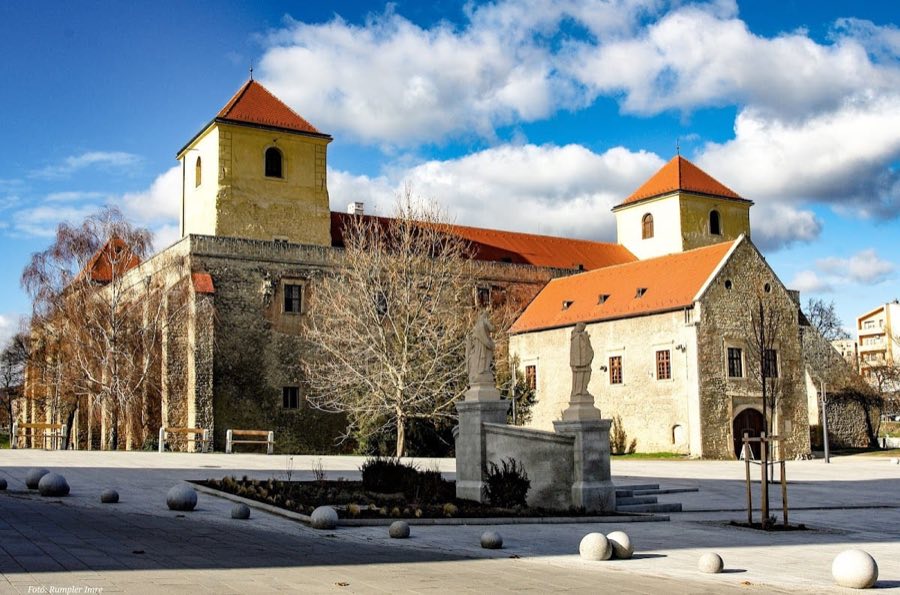
See all castles in HungaryThury Castle, also known historically as Palota Castle or Újlaki Castle, stands near the town of Várpalota in Hungary. It was originally constructed by the medieval Hungarian nobility during the 13th century as a modest fortress nestled in the Bakony hills.
The earliest records from 1397 refer to the site as “Palota,” a term indicating a building larger than a manor house but smaller and less fortified than a full-scale castle. This initial fortress belonged to the noble Újlaki family, who oversaw its development through the 14th and 15th centuries. During this time, they undertook several expansions, adding towers and defensive walls to strengthen the site’s military capacity and residential features.
In the turbulent 16th century, the castle assumed a vital role as a frontier stronghold against advancing Ottoman forces. It withstood multiple attacks during notable sieges in 1533, 1566, and 1593. The castle’s defense was famously led by Captain György Thury, a celebrated warrior recognized for his successful resistance and bold raids against the Turks, which earned him lasting renown. Throughout the prolonged conflicts of the Ottoman wars, control of the castle fluctuated, with the fortress falling under Turkish occupation several times between 1593 and 1687. It was only in 1687 that the castle was permanently freed from Ottoman rule.
During the 18th century, ownership passed to the Zichy family, who transformed the fortress into a Baroque-style residence, reflecting the architectural tastes of the era. However, the site suffered damage amid the Rákóczi War of Independence, particularly in 1702 when partial demolition was ordered by military commanders. These efforts were interrupted by ongoing clashes, leaving the castle partially dismantled.
By the mid-20th century, the castle had fallen into ruin. Archaeologists conducted extensive excavations and restoration projects to preserve its historical remains. Today, the site functions as a cultural center, hosting museums such as the Hungarian Chemical Museum and the Mining History Collection, as well as exhibitions and various events.
Thury Castle occupies a quadrangular layout characterized by four corner towers forming the primary structure, which was originally encircled by a substantial outer defensive wall featuring smaller bastions at its corners. More imposing semicircular and circular bastions fortified the eastern and southern sides. This arrangement was further reinforced by a surrounding moat and earthworks designed to hinder attackers.
The medieval fortress began as a compact building molded by the surrounding terrain. In response to space constraints, 14th and 15th-century expansions introduced a U-shaped residential block complemented by a tower positioned at the northeast corner. This residential sector enclosed a courtyard, which was protected by the surrounding walls.
Additional defensive improvements accompanied these expansions, including a gatehouse that controlled access and a standalone round tower situated at the northwest corner. Later efforts added an outer ring wall equipped with bastions and a protective ditch, enhancing the castle’s layers of defense. Despite these fortifications, the castle’s position was militarily disadvantageous, as higher hills to the north and east allowed enemies to observe and bombard the site from elevated ground.
In the aftermath of the Rákóczi War of Independence, two of the original four corner towers were dismantled down to the roofline on orders from General Rabutin, leaving only the other two standing above the roof today. The castle’s 18th-century Baroque transformation by the Zichy family involved notable architectural modifications, though specific building materials and decorative details remain undocumented.
The archaeological research conducted alongside 20th-century restoration efforts uncovered structural features and helped reconstruct the castle’s complex layout. Presently, the castle is preserved and maintained as part of a national program dedicated to historic fortifications. It serves as a venue for cultural activities, with its restored walls and towers offering insight into its layered military and residential history.
No. 49101
No. 93490
No. 40877
No. 67409
Comments
Comments for Thury Castle will require a verified account before posting.
We'll send a verification link before your first comment is published.