No. 23891
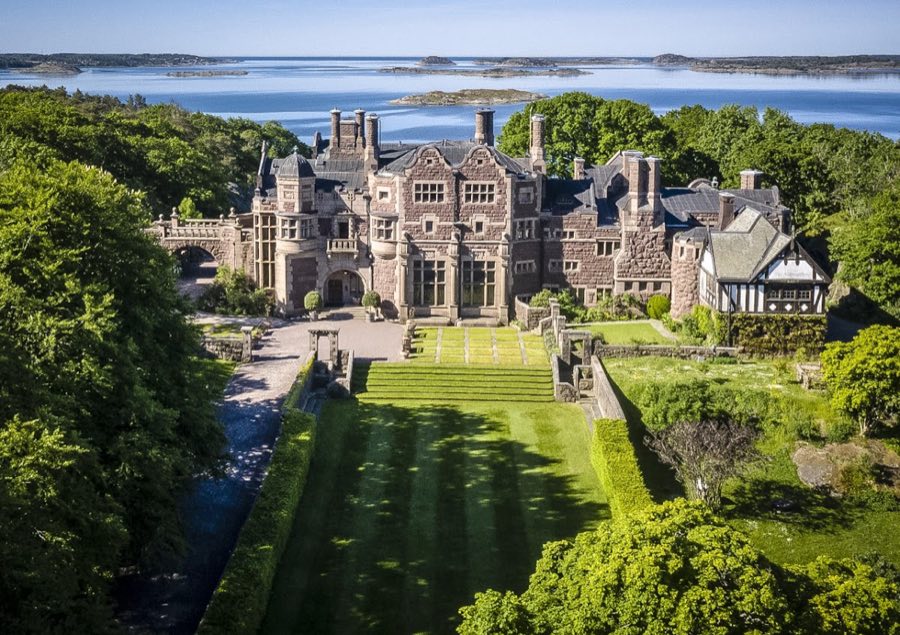
Tjolöholm Castle
Sweden
Manor houseRestoredFor events20th century
No. 38700
No. 38700 · 57.650 N, 13.279 E
Quick summary
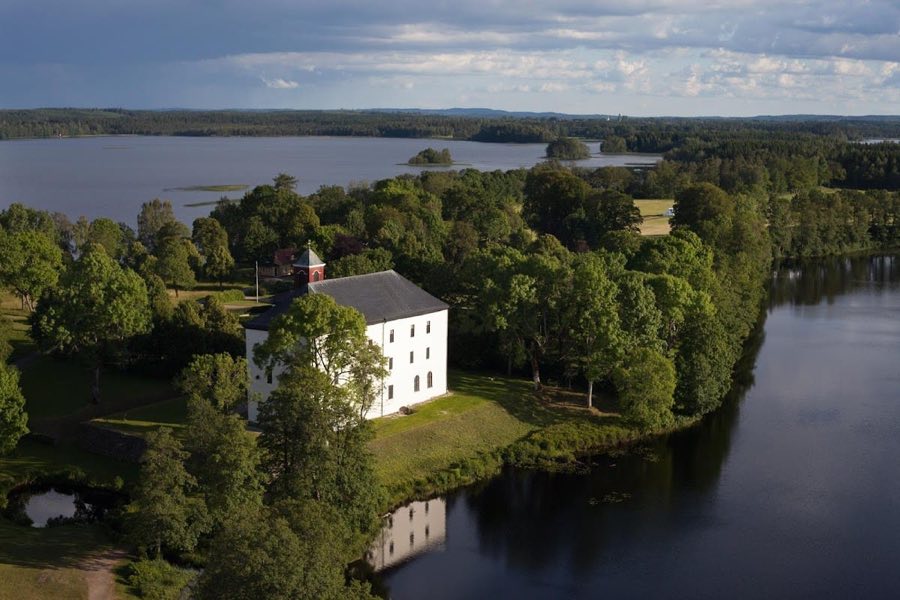
Torpa stenhus is a castle in Sweden with origins associated with the 15th century.
See all castles in SwedenTorpa stenhus is a medieval stone castle situated in Tranemo municipality, Sweden. It was constructed by the Swedish people during the late Middle Ages as a fortified residence.
The origins of Torpa stenhus date back to around 1470 when Arvid Knutsson, a member of the Swedish Privy Council, erected the initial stone fortress. This stronghold was built with a strategic purpose: to defend against military threats from Denmark during a period marked by regional conflicts. From its foundation, the castle was designed as a secure refuge in a turbulent border zone.
Beginning in the 15th century, the castle became the hereditary home of the Stenbock family, a noble lineage that has maintained ownership continuously through both male and female descendants. This uninterrupted family connection influenced the castle’s development and preservation across centuries. Around the middle of the 16th century, the building underwent notable enlargement with the addition of a stair tower, enhancing its defensive and residential features.
In the late 16th and throughout the 17th century, Torpa stenhus saw further expansions and interior renovations that reflected changing tastes and functions. It became the residence of Katarina Stenbock, the third wife of King Gustav I of Sweden, marking its place in Swedish royal history. Around 1699, a Baroque-style chapel was established within the castle, underscoring its religious significance during this time.
During later eras, the castle’s role shifted away from noble residence to more practical uses. For a considerable time, it served as a grain storage facility, a function that, while utilitarian, helped preserve the building’s structural integrity by ensuring the roof remained weather-tight. This period of vacancy delayed large-scale modernization, contributing to the preservation of original features. In recent decades, efforts have been made to restore the interior, recovering original room layouts and wooden wall structures removed during the granary phase.
Torpa stenhus stands as a well-preserved example of a 15th-century single-house fortress, known in Swedish as an “enkelhusborg.” The castle rises four main floors, connected by two separate staircases embedded within the thick stone walls. Evidence of a fifth floor exists in the form of a bricked-up staircase on the fourth level, which likely led to a narrow defensive walkway rather than a fully habitable story.
The lower floors feature multiple vaulted rooms, with the first and second storeys each containing two rooms of unequal size. Above these, the third and fourth floors present a simpler layout with one large room apiece—the uppermost large chamber containing the greatest number of windows, suggesting it was designed to allow natural light for daily use. Building materials consist predominantly of stone masonry characteristic of medieval defensive architecture.
The stair tower, added around 1550, projects prominently from the main structure, contributing both vertical access and an architectural statement from the Renaissance period. Inside, Renaissance influences are visible in the walls of the knight’s hall, decorated with grisaille paintings—monochromatic artworks resembling sculpture in shades of gray. The castle’s chapel, introduced at the close of the 17th century, displays Baroque style with furnishings and decor fitting that era’s artistic conventions.
The castle’s prolonged use as a granary played a crucial role in conserving its original roof, which helped protect the interior from weather damage over the centuries. During recent restoration work, floors that had settled over time were carefully raised and stabilized. In addition, original wooden interior walls—which had been removed partly because they supported the structure—were reconstructed, helping to regain the castle’s authentic internal divisions and load-bearing framework.
Today, Torpa stenhus retains its medieval character, housing various displays that reflect its rich history. The castle is positioned west of Lake Åsunden and east of the Torpanäset nature reserve, standing as a solitary testament to Sweden’s medieval noble residences without direct association with other archaeological sites in its immediate surroundings.
No. 23891
No. 57521
No. 36677
No. 69978
Comments
Comments for Torpa stenhus will require a verified account before posting.
We'll send a verification link before your first comment is published.