No. 78855
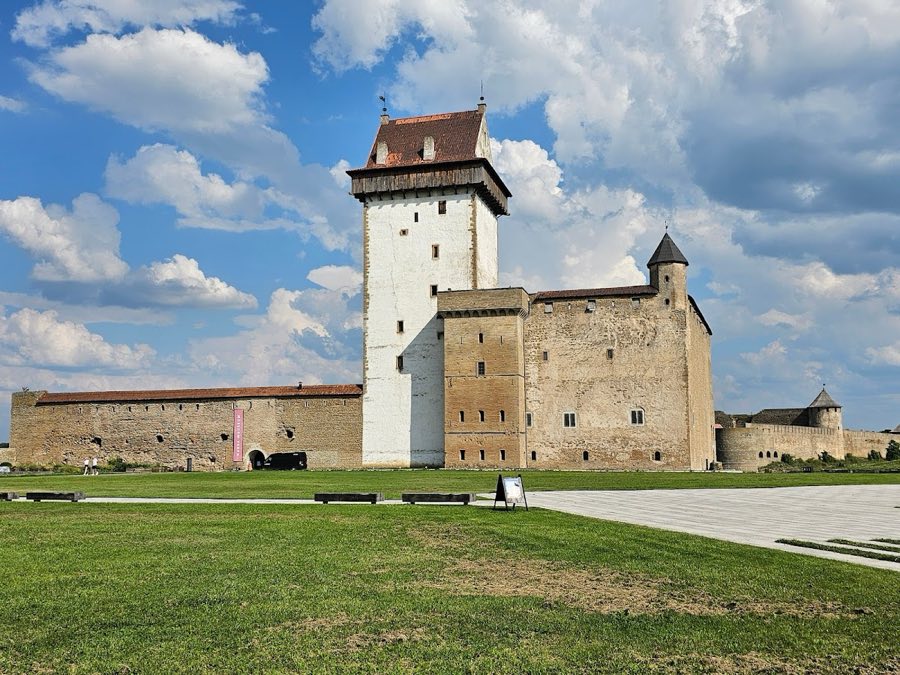
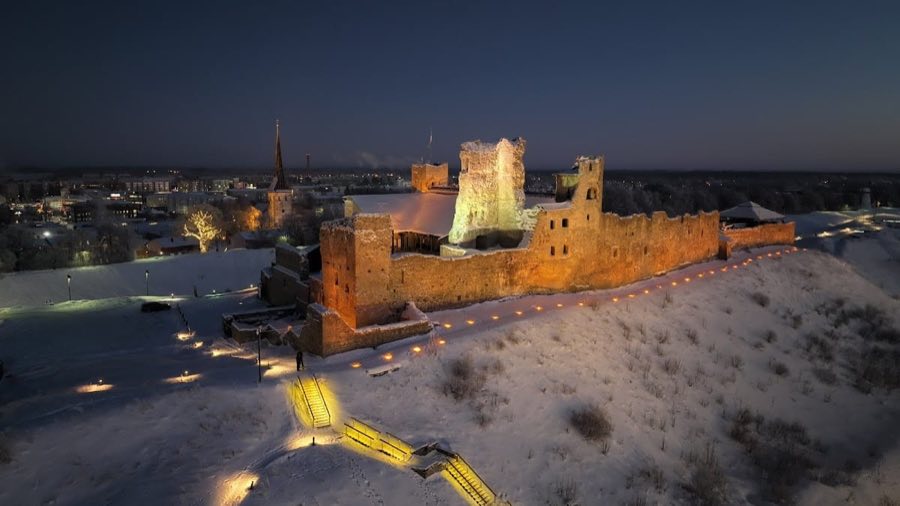
Hermann Castle, Narva
Narva, Estonia
CastleRestoredFor events13th century
No. 38485
Castle · Estonia
No. 38485 · 59.004 N, 27.739 E
Quick summary
Vasknarva Castle is a castle in Estonia with origins associated with the 18th century.
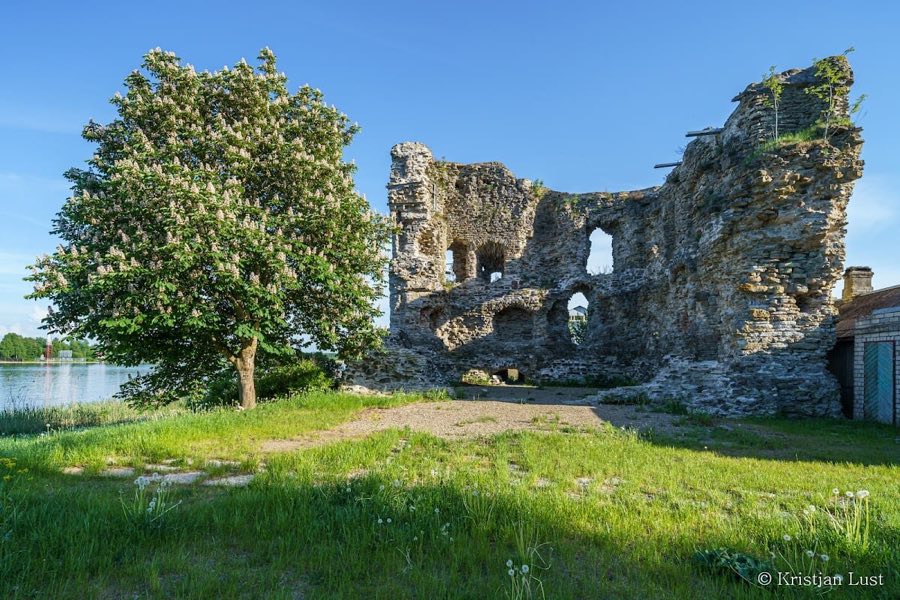
See all castles in EstoniaVasknarva Castle stands near the village of Vasknarva in present-day Estonia and was originally established by the Livonian Order, a military and religious order active in the Baltic region during the Middle Ages.
The first fortress at this site was built in 1349 under the guidance of Goswin von Herike, who was the master of the Livonian Order at the time. This initial construction was a wooden fortification intended to serve as a border stronghold and administrative center along the Narva River, close to Lake Peipus. However, this wooden castle was destroyed in the same year, reportedly by troops from Pskov or possibly local fishermen from across the river.
Several decades later, construction of a more durable stone castle began between 1427 and 1442. The Livonian Order employed a master builder from Tallinn to oversee the project, resulting in a permanent fortress designed to bolster defenses along this contested borderland. By 1433, the castle had become the seat of the Order’s vogt, or bailiff, with Peter Wesseler recorded as the first official residing there. Its strategic location gave it control over vital waterways and trade routes in the region.
Throughout the 16th and 17th centuries, Vasknarva Castle saw frequent military action, reflecting the turbulent politics of northeastern Europe. During the Livonian War, Moscow’s forces captured the stronghold in 1558. The Swedes regained it in 1581 and subsequently restored parts of the damaged fortress after fighting subsided in 1583. Later, during the Russo-Swedish War from 1656 to 1658, Russian troops briefly occupied the castle. In the early 18th century, Peter the Great’s campaigns resulted in the fortress being handed over to Russian control in 1704.
Repeated destruction, including a major demolition by Peter I’s forces in 1699, led to the castle losing its military importance. It was never fully rebuilt and suffered additional harm from fires in 1832 and 1901. Since then, it has remained a ruin but has been recognized as a national cultural monument in Estonia since 1964 and included in the country’s heritage registry since 1998.
Vasknarva Castle is built on a regular quadrangular plan typical of 15th-century fortifications, designed to allow defenders clear lines of fire for both archers and early firearms. Its stone walls, constructed from limestone, range in thickness from approximately 2.6 to 3.6 meters, reflecting adaptations for artillery defense. The entire castle grounds cover an area about 75 meters long by 32 meters wide, with a courtyard enclosed by a curtain wall and corner towers.
The main residential building, known in medieval castle terminology as a “majalinnus,” stands roughly three stories tall, measuring 23 by 15 meters with an estimated floor area of over 330 square meters. This structure featured large windows on its main floor and contained functional spaces such as a chapel and living quarters for the vogt on the ground level. Inside, staircases were cleverly embedded within the thick walls, including a spiral staircase, providing access between floors. The basement and attic spaces were utilized for economic and defensive purposes. The roof was covered with copper sheets, a feature suggesting both durability and status.
The castle’s defenses included a surrounding curtain wall with diagonal towers at the northwest and southeast corners. These towers measured around 12 meters in diameter and were significant features of the castle’s military architecture. The southeast tower was partly rounded and projected beyond the curtain wall, likely designed to house artillery and to protect or flank the main entrance. Archaeological excavations have confirmed the presence of an outer defensive wall and at least three towers; although a fourth tower’s remains have yet to be identified.
Today, only three walls of the main residential building remain standing above ground, along with various scattered ruins. Excavations in 1983, 2019, and 2021 have revealed cellars and shore fortifications, providing insight into the castle’s precise layout and defensive measures facing the Narva River. The site’s structures confirm its role as a military and administrative center, rather than a religious institution, as it contained no monastic buildings associated with the Livonian Order monasteries.
These remains attest to the castle’s long history as a frontier fortress amid the shifting powers of medieval and early modern northeastern Europe.
No. 78855
No. 16340
No. 84839
No. 54189
Comments
Comments for Vasknarva Castle will require a verified account before posting.
We'll send a verification link before your first comment is published.