No. 47148
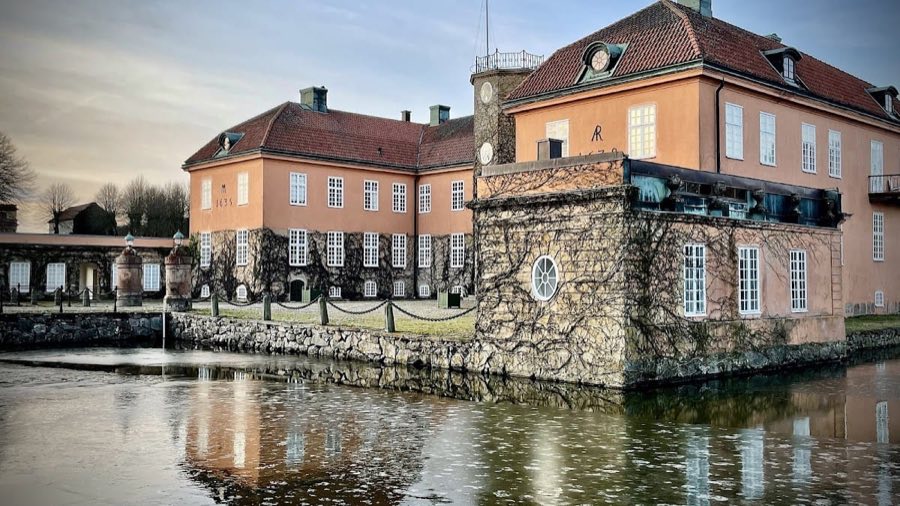
Maltesholm Castle
Sweden
PalaceRestored12th century
No. 80717
Castle · Sweden
No. 80717 · 55.855 N, 14.133 E
Quick summary
Vittskövle Castle is a castle in Sweden with origins associated with the 13th century.
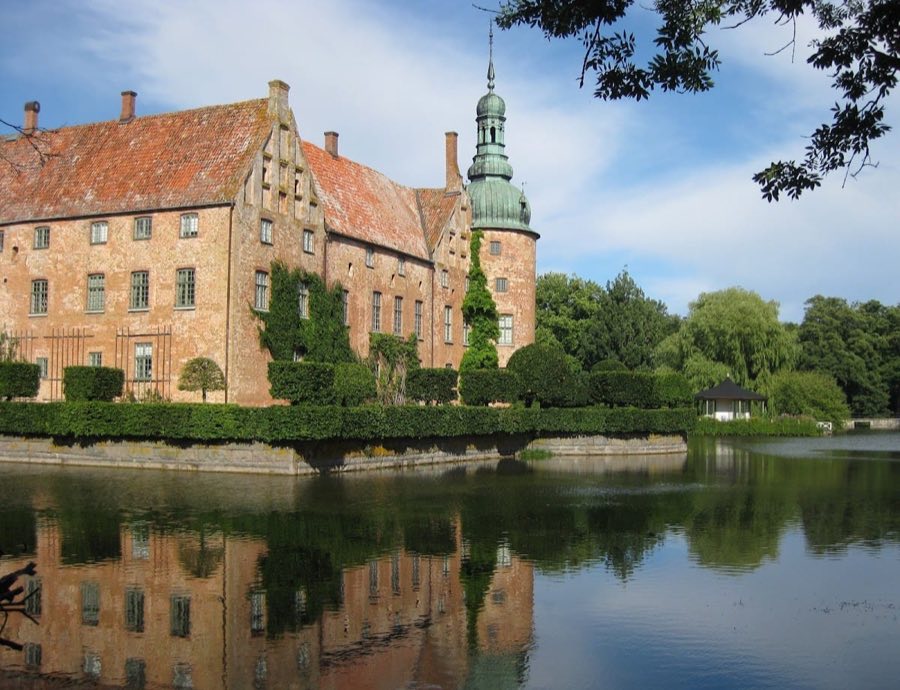
See all castles in SwedenVittskövle Castle, situated in the municipality of Kristianstad in southern Sweden, traces its origins to medieval times when the region was under Danish rule. The earliest known settlement on the estate was called Egeside, located approximately four kilometers northeast of the current castle, near Lake Yngsjön. This original site was held by the brothers Harald and Holger Egeside during the early 13th century.
Throughout the 14th century, ownership of the estate became entwined with notable noble families through inheritance and marriage. After passing to the Brahe family via connections to the Krognos and through marriage alliances, the property briefly came under the control of the Archbishop of Lund. Following the religious transformations brought by the Reformation, the estate reverted to the Brahe family.
Around the mid-16th century, Jens Axelsson Brahe replaced the earlier medieval structures with a new Renaissance-style water castle built on an island, supported by piles driven into the marshy landscape. This fortress, designed to withstand artillery assaults, was completed in 1577 by his son Henrik Brahe. After Henrik’s death in 1587, the estate transferred to the Barnekow family through his daughter Margareta’s marriage to the Danish nobleman Christian Barnekow.
The Treaty of Roskilde in 1658 shifted southern Scandinavia, including the region that hosts Vittskövle, from Danish to Swedish control. Despite this political change, the Barnekow family retained the castle and estate. Christian Barnekow was appointed vice president of the Göta Court of Appeal, and the family was formally recognized by the Swedish House of Nobility by 1664. Amid ongoing conflicts, the castle’s defenses were strengthened in 1678.
During the 18th century, a fire damaged the northwest tower, which was subsequently rebuilt featuring romantic medieval architectural elements, including a spire. At the same time, Adolf Fredrik Barnekow enhanced the surrounding grounds, designing formal gardens with pavilions, fish ponds, and even a pavilion inspired by Turkish styles. The estate attracted notable visitors such as the famed botanist Carl Linnaeus, who visited in 1749. Linnaeus admired the residence’s ivy-covered walls, neat hedges, and the cultivation of fruits like apricots, peaches, quince, and grapes.
In the early 19th century, the castle’s interiors were updated, receiving painted ceilings under the direction of Christian Laurentius Gernandt. Financial pressures later led the Barnekow family to sell the estate in 1826 to banker Jonas Hagerman, who soon transferred it to his brother Gustav. By 1839, the estate passed to court marshal Rudolf Hodder Stjernswärd through inheritance and purchase. Stjernswärd introduced an English-style park with naturalistic landscaping and added several medieval-style auxiliary buildings. The castle and its surrounding land remained in private hands, with Vittskövle officially declared a heritage site in 1966.
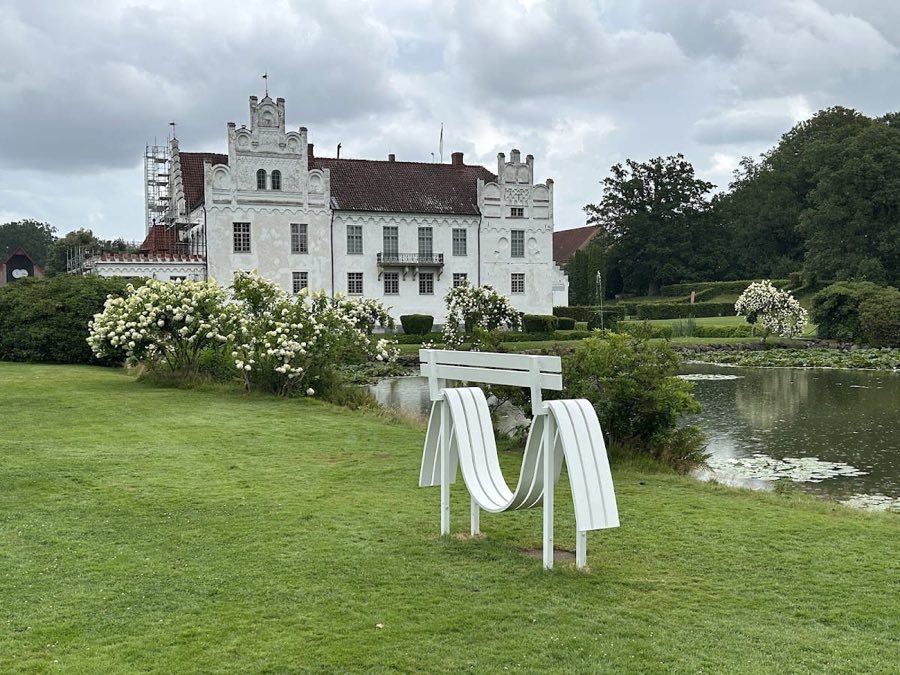
Vittskövle Castle stands as the largest castle in the province of Skåne, prominently positioned on an island surrounded by water, which served as a defensive moat. Constructed in the Renaissance period, the castle’s foundations rest on wooden piles driven into marshy ground to support the heavy masonry. Its imposing four-winged layout forms a fortress reaching three stories high, featuring two corner towers set diagonally to cover all flanking approaches with artillery.
The castle’s design emphasizes defense, with walls capable of withstanding cannon fire from its two main towers. Traces remain on the uppermost floor of shooting galleries—walkways along the eaves of the roof—that provided sheltered positions for defenders to fire upon attackers. Above the main entrance, an inscription survives, bearing the names of the influential Brahe and Bille families who were instrumental in the castle’s origins.
One distinctive element of Vittskövle’s silhouette is the northwest tower, which was destroyed by fire in the 18th century and later rebuilt in a style inspired by medieval romanticism. This reconstruction includes a spire and decorative features evoking the castle’s historical character while reflecting 18th-century tastes.
The adjacent park and gardens, largely developed by Adolf Fredrik Barnekow in the 1700s, extend perpendicularly from the castle itself. They include formal features such as ornamental pavilions, carefully arranged fish ponds, and a unique pavilion built with a Turkish stylistic influence, highlighting the period’s fascination with exotic architectural forms.
Within the grounds, several medieval-inspired buildings were added in the 19th century during Rudolf Hodder Stjernswärd’s ownership, complementing the English landscape park he established. The castle’s interiors from this time include rich painted ceilings and walls executed under Christian Laurentius Gernandt’s supervision, reflecting early 19th-century artistic trends.
Overall, Vittskövle Castle remains remarkably preserved, its combination of Renaissance military architecture, romanticized medieval elements, and landscaped surroundings illustrating its layered history. While the castle functions as a private residence, the surrounding park stands as a testament to centuries of evolving design and noble stewardship.
No. 47148
No. 75588
No. 14433
No. 69978
Comments
Comments for Vittskövle Castle will require a verified account before posting.
We'll send a verification link before your first comment is published.