No. 93628
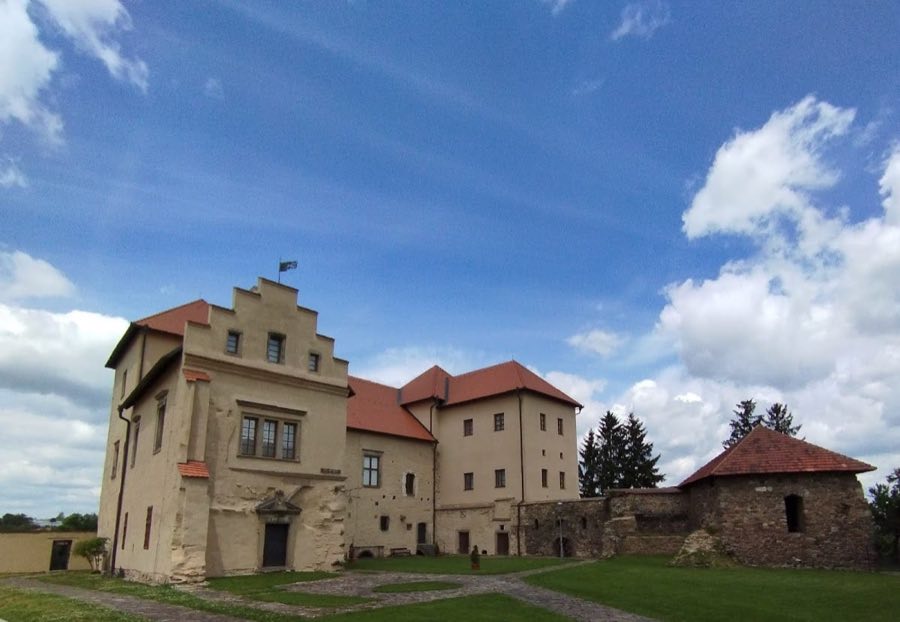
Lipnice nad Sázavou Castle
Czechia
CastleRuinFor events14th century
No. 64714
Castle · Czechia
No. 64714 · 49.531 N, 15.454 E
For rent
Zámek Herálec is marked for bookable castle accommodation. Nightly pricing, sleeps count, stay rules, and amenities are displayed only when public operator data is available.
Rental type: Hotel / bookable stay, Short-stay rental
Short-term availability: Bookable accommodation signal
For events
Zámek Herálec is marked as a château or castle venue lead. Capacity, indoor/outdoor spaces, catering rules, and accommodation options are published only after public verification.
Event types: Weddings, Private events, Cultural gatherings, Filming and photography
Ceremony spaces: Ceremony setting to verify
Accommodation: Accommodation signal present
Quick summary
Zámek Herálec is a castle in Czechia with origins associated with the 12th century.
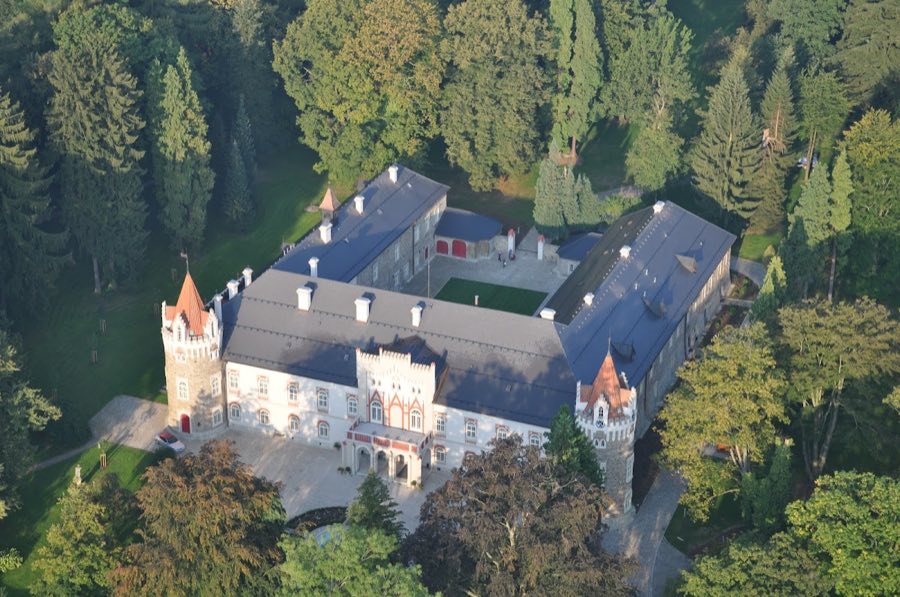
See all castles in CzechiaZámek Herálec in Herálec, Czechia, is a castle probably founded in the mid‑12th century, possibly established by the Teutonic Order. Its origins reach back into the medieval period, and surviving early fabric shows the site was occupied by the high Middle Ages. Over centuries the complex served as monastic land and then as a succession of noble residences, reflecting changes in regional ownership and architectural fashion.
The place is recorded in 1226 in a papal bull of Pope Honorius III as the property of the Cistercian community at Sedlec, which places the estate within the networks of medieval monastic holdings. Wall fragments dated to the 1200s attest to that early medieval phase of construction and occupation.
After the Hussite Wars the castle became the possession of the Trčka of Lípa family. In 1559 the building was enlarged to serve as a Trčka family residence. In 1601 the last Trčka heir, Kryštof Jaroslav Trčka of Lípa, sold the estate to Kryštof Karel of Roupov, who rebuilt the house as a two‑storey residence with three round towers.
From 1623 until 1708 the princely Solms family owned the property. During their tenure the castle suffered a complete conflagration and, following reconstruction, it no longer retained its earlier Renaissance appearance. In 1708 Michael Achác von Kirchner bought the castle and added a chapel; the ceiling fresco in that chapel may have been painted about 1750 by the artist Siard Nosecký.
Ownership continued to change until 1817, when Teresa Trautmannsdorf acquired the estate. Her son Jan Nepomuk Trautmannsdorf rebuilt the residence in a neo‑Gothic manner after 1838. A later nineteenth‑century alteration further emphasized the Gothic character of the building in 1861.
Following the Second World War the state confiscated the property in 1945 and it was converted into a political school. Six years later it became a textile school, and after 1958 the complex was used as a special school with boarding accommodation. During the period of the Czechoslovak Socialist Republic the castle stood in a devastated state. The property passed into private ownership in 2004, and between 2009 and 2011 the buildings and the surrounding park underwent a major restoration and were adapted for use as a five‑star hotel, opening as Boutique Hotel & Club Resort Chateau Herálec.
The site combines very early masonry with later residential rebuilding and 18th‑ and 19th‑century additions. Surviving medieval masonry includes wall fragments dated to the 13th century, preserved in situ and marking the castle’s deep chronological roots. The two‑storey plan reported from the rebuilding of 1601 is known for having been formed around three round towers, a layout created when the residence was altered to suit noble domestic use in the early modern period.
A chapel constructed after the 1708 purchase survives as a distinct interior feature. The chapel’s ceiling carries a fresco that is attributed to Siard Nosecký and dated to about 1750. On the second floor a consecrated Chapel of St. Anne, dated to 1708, remains present and is used for baptisms and weddings, indicating continued liturgical function. The 19th‑century transformation gave the complex its neo‑Gothic appearance, and a subsequent mid‑century rebuilding in 1861 intensified those Gothic elements; these phases are visible in the building’s form and decorative treatment.
Major conservation and adaptation work carried out between 2009 and 2011 repaired the complex and its park and fitted the former residence for new functions. The restored ensemble now houses guest accommodation and supporting facilities, while the earlier masonry fragments and the chapel remain as tangible links to the castle’s medieval and early modern past.
No. 93628
No. 62223
No. 48383
No. 98297
Comments
Comments for Zámek Herálec will require a verified account before posting.
We'll send a verification link before your first comment is published.