No. 47711
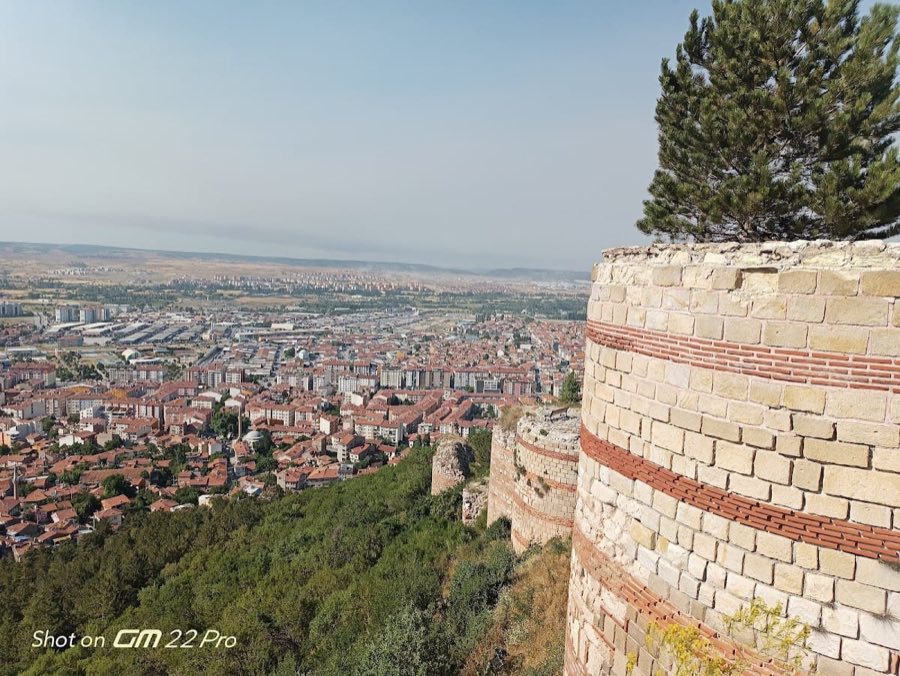
Kutahya Castle
Turkey
CastleIntact17th century
No. 66123
No. 66123 · 38.757 N, 30.532 E
Quick summary
Afyonkarahisar Castle is a castle in Turkey with origins associated with the 14th century.
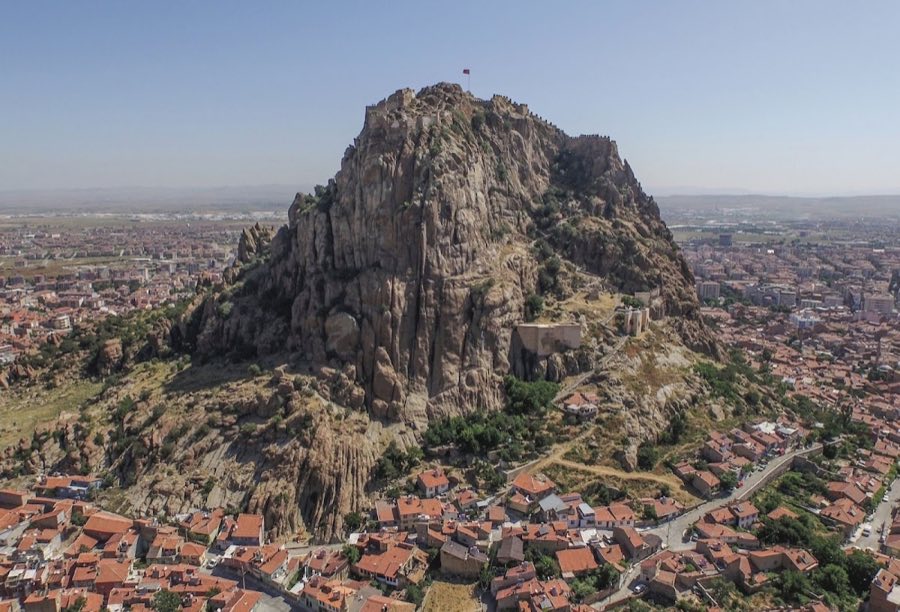
See all castles in TurkeyAfyonkarahisar Castle crowns a rocky summit in Kale Mah., Merkez, Afyonkarahisar, Turkey. The first fortifications on the outcrop were raised in the second millennium BCE by Hittite builders; around 1350 BCE a fortress was constructed on the rock for its defensive advantage, and the Hittite king Mursilis II (c. 1320 BCE) is recorded as having built the original stronghold. The site has been proposed as the Hittite place known as Hapanuwa in the Arzawa lands, occupied by Mursilis II in the fourteenth century BCE.
After the Bronze Age the hill continued in use: a Phrygian-period settlement is attested in the early first millennium BCE. In later centuries the settlement and fortress appear under the name Akroinos and passed to Pergamon and then into Roman control. From 395 CE the town and its stronghold lay within the Byzantine world. The Seljuks captured and substantially enlarged the fortress in the twelfth century, adapting its defenses, and from 1428 the site belonged to the Ottoman Empire. The castle was repaired and altered repeatedly; Selim II ordered renovations in 1573, and the name Afyonkarahisar was used for the place. The castle has undergone additional restorations in later periods, including modern reconstruction by the Turkish government. The place name is often rendered as “Black Opium Castle,” and the town’s official name was changed from Afyon to Afyonkarahisar in 2004.
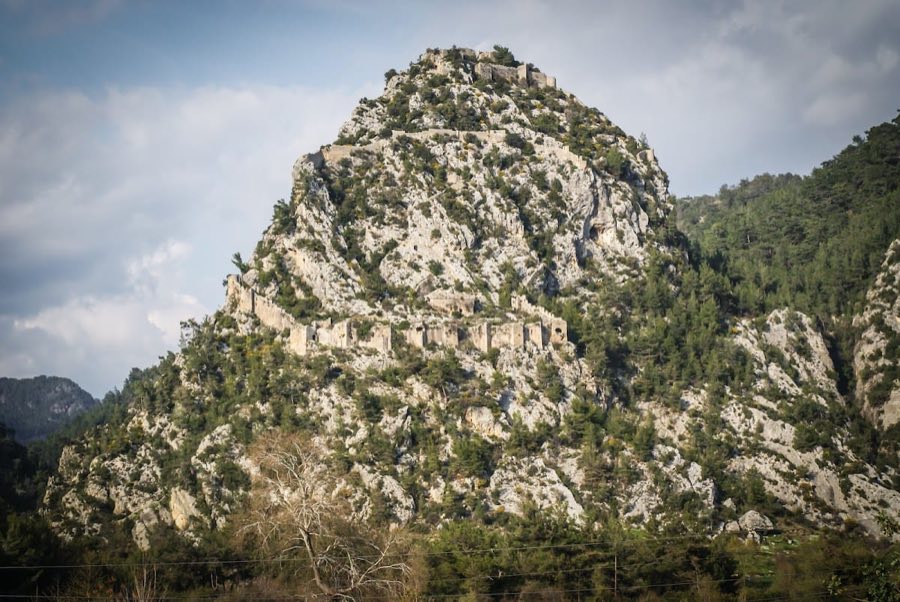
The castle occupies the summit of a single massive rock that rises about 226 metres above the surrounding ground and dominates views over the modern town. The fortification exploits the natural height of the massif; the earliest phase of construction dates to the mid-second millennium BCE when the Hittite structure was established on the rock for defensive reasons. Surviving remains therefore reflect multiple building episodes rather than a single uniform plan, with material from Hittite, Phrygian, medieval and Ottoman phases visible in the fabric.
Archaeological and architectural evidence points to a Phrygian settlement on the hill in the early first millennium BCE. The Seljuk enlargement of the twelfth century is associated with substantial expansion of the defensive works, and Ottoman repairs and remodelling followed after 1428, including work ordered by Selim II in 1573. More recent state-sponsored reconstruction has also left visible traces. A southern access route climbs the slope by a sequence of 550 steps that serves as the principal ascent to the summit complex and remains in situ today. Overall, the standing monument combines the natural rocky summit, layered fortifications from successive periods, later restoration work and clear views at coordinates 38°45′24″N, 30°31′54″E.
No. 47711
No. 25566
No. 54706
No. 11757
Comments
Comments for Afyonkarahisar Castle will require a verified account before posting.
We'll send a verification link before your first comment is published.