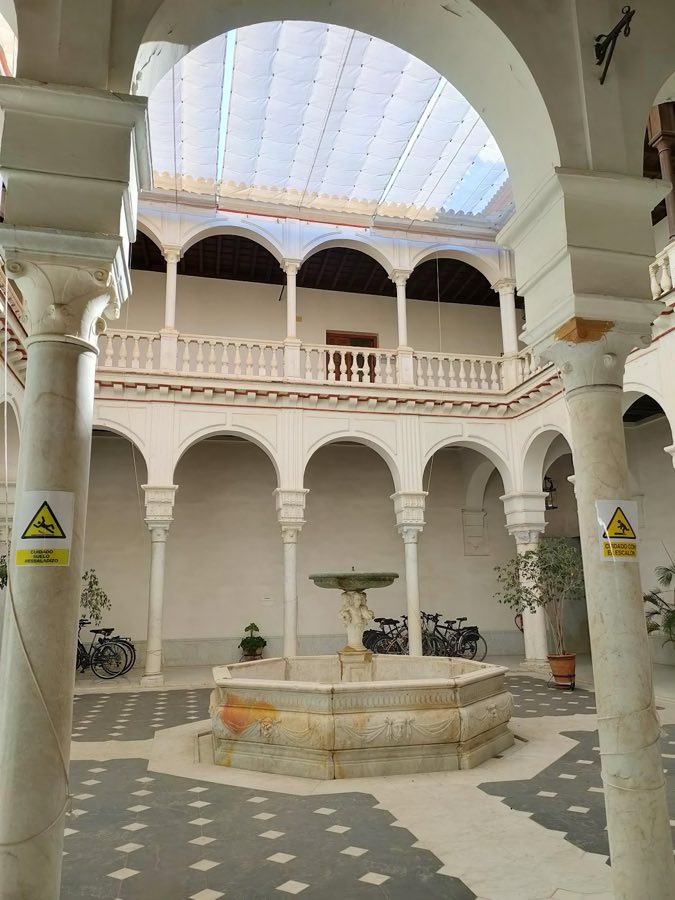
No. 81166
Palacio de Mañara
Spain
PalaceIntact16th century
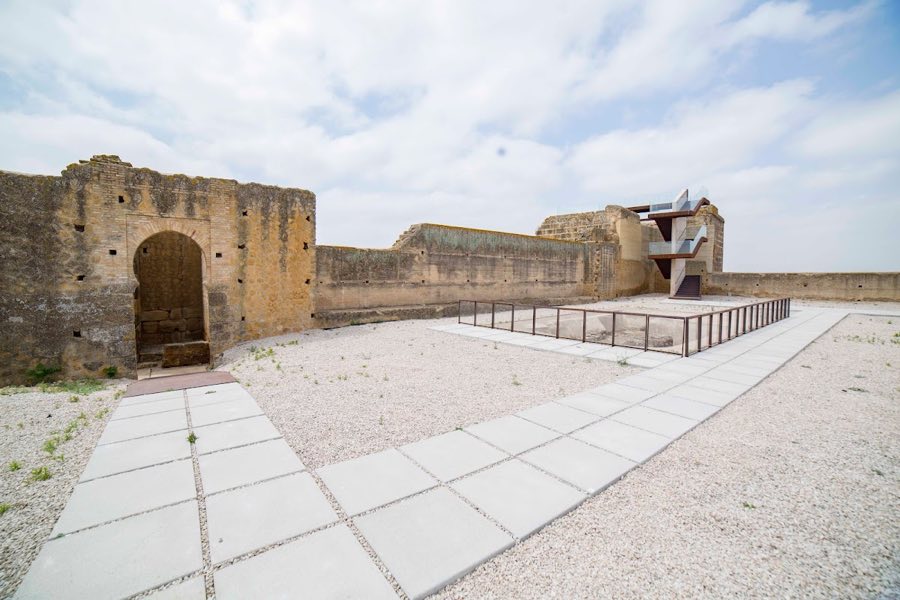
No. 22534
Palace · Spain
No. 22534 · 37.473 N, 5.633 W
For rent
Alcázar de Arriba y Puerta de Marchena, Carmona is marked for bookable castle accommodation. Nightly pricing, sleeps count, stay rules, and amenities are displayed only when public operator data is available.
Rental type: Hotel / bookable stay, Short-stay rental
Short-term availability: Bookable accommodation signal
For events
Alcázar de Arriba y Puerta de Marchena, Carmona is marked as a château or castle venue lead. Capacity, indoor/outdoor spaces, catering rules, and accommodation options are published only after public verification.
Event types: Private events, Cultural gatherings, Filming and photography
Accommodation: Accommodation signal present
Quick summary
Alcázar de Arriba y Puerta de Marchena, Carmona is a palace in Carmona, Spain with origins associated with the 14th century.
See all castles in SpainThe Alcázar de Arriba y Puerta de Marchena stands in Carmona, Spain; its origins are probably Muslim, and it later became associated with Christian kings of Castile. An early fortress on this high point to the west of the town’s walls is linked to Muslim occupation and may have been used by the birzalíes in opposition to the Taifa of Seville. After the Christian conquest the complex passed into Christian hands and was rebuilt; Pedro I had it restored in the 14th century and made it one of his palaces, adapting Mudéjar forms that show close parallels with his Palacio at the Real Alcázar in Seville. Later monarchs, including the Catholic Monarchs, raised the cubete and embellished the royal apartments.
The site suffered heavy damage in the Carmona earthquake of 1504. During the plague that struck Seville in 1649 parts of the alcázar were used as a hospital and as a cemetery for victims. The Lisbon earthquake of 1755 again caused severe damage. In 1871 a bullring was placed within the interior of the fortress, altering rooms and courts. The complex received formal protection as a monument on 3 June 1931 and was later declared a Bien de Interés Cultural on 22 June 1993. In the 20th century the patio de armas was adapted when the Parador Nacional de Turismo was built there and opened on 30 March 1976, an inauguration attended by the mayor Francisco Ojeda Montero and by King Juan Carlos I and Queen Sofía. Over time the site has been known by several names, including Alcázar del Rey Don Pedro and Alcázar de la Puerta de Marchena.
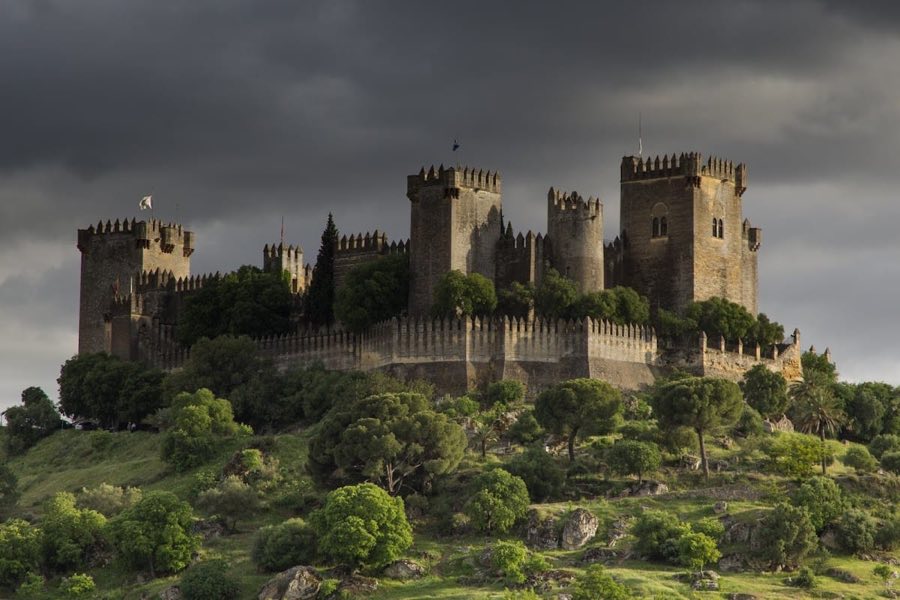
The complex occupies the highest rise of Carmona and stands just west of the town’s ancient defensive line. Its plan centers on a main entrance and an inner parade ground, or patio de armas, and the surviving ensemble bears the imprint of Mudéjar-related decorative and spatial models linked to the fourteenth-century reforms attributed to Pedro I. The principal access is a large pointed horseshoe arch on the street known today as calle Los Alcázares; this opening functions as the main gateway into the fortress and gives direct passage from the town into the interior courts.
The patio de armas forms the heart of the complex and is defended on its perimeter by three towers that combined defensive and domestic functions. The patio has undergone notable alteration: a bullring was installed within the interior in 1871, and in 1976 the national Parador hotel was constructed in the patio de armas, adapting the courtyard for new uses and inserting modern structures into the historic space. A terrace at the alcázar provides an open vantage point over the Vega de Carmona, offering the original strategic view from the high ground. Traces of later interventions by the Catholic Monarchs survive in the raised cubete and in changes to the royal apartments, and the fabric as it stands today shows both the medieval Mudéjar affinities of Pedro I’s rebuilding and the visible consequences of subsequent events, including the earthquakes of 1504 and 1755 and the building’s varied reuses over time.
No. 81166
No. 39675
No. 90495
No. 76059
Comments
Comments for Alcázar de Arriba y Puerta de Marchena, Carmona will require a verified account before posting.
We'll send a verification link before your first comment is published.