No. 87314
Boyabat Castle
Turkey
CastleIntact7th century
No. 56542
No. 56542 · 40.655 N, 35.827 E
Quick summary
Amasya Castle is a castle in Turkey with origins associated with the 18th century.
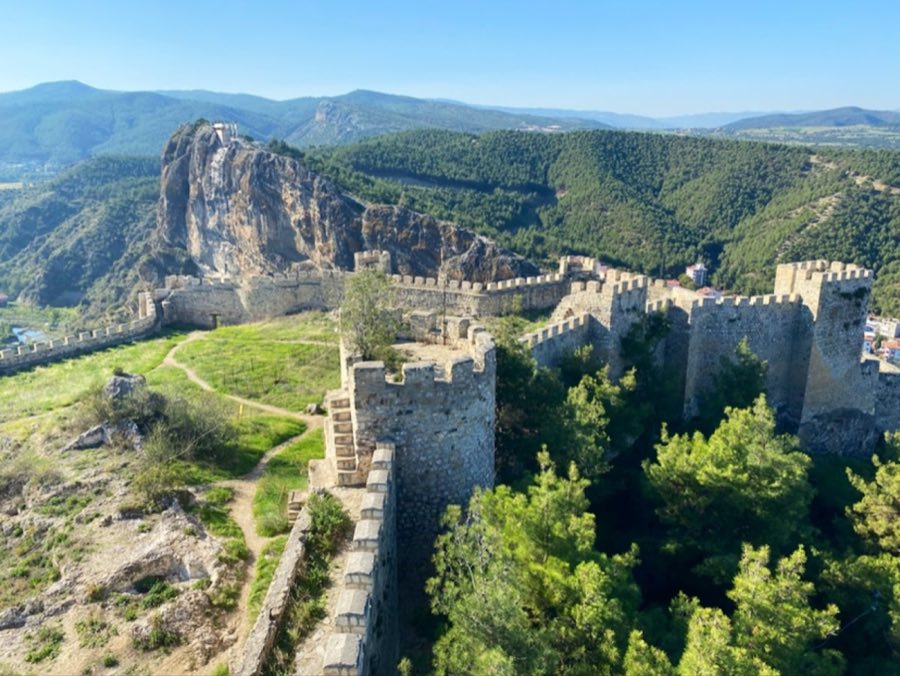
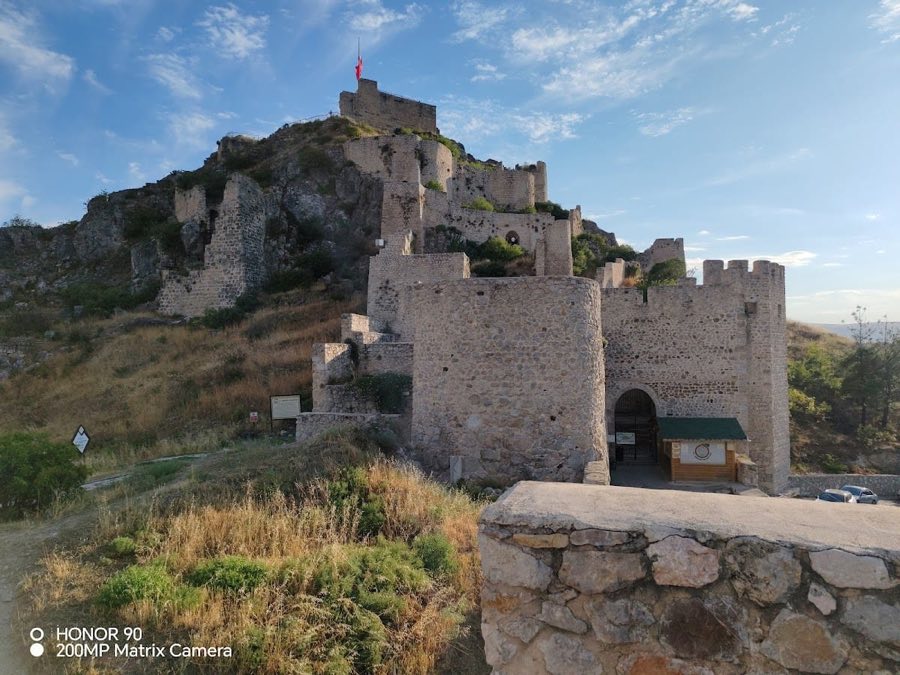
See all castles in TurkeyAmasya Castle, also known as Harşene Castle, is situated in the municipality of Hatuniye within the Amasya District of modern Turkey. It was originally built by ancient civilizations whose presence in the region dates back to the Pontic Kingdom and has seen continuous use through subsequent empires.
The fortress experienced numerous phases of conflict and control from several major powers in the area. During the Persian period and later Roman times, as well as under the Pontic and Byzantine authorities, the castle was strategically important and frequently contested. It suffered considerable destruction particularly during clashes between the Romans and the Pontic Kingdoms. These repeated battles caused substantial damage, leading to cycles of rebuilding and fortification.
In 1075, the castle entered a new era when it was captured by the Danishmends, a dynasty of Oghuz Turks. Under their rule, significant restoration work was carried out, reinforcing the fortress’ defenses and ensuring its continued military relevance. The castle remained an active stronghold well into the Ottoman period, lasting until the 18th century when changes in military technology and strategy diminished its strategic necessity.
During the early 1400s, the castle also served as a refuge for Ottoman Prince Çelebi Mehmed. He sought shelter within its walls as he fled from the invading forces of Timur, reflecting the castle’s ongoing role as a place of defense and political significance during turbulent times.
Amasya Castle occupies a commanding position on the steep limestone cliffs of Mount Harşena overlooking the Yeşilırmak River. Its defensive system stretches down the hillside in eight tiers, combining robust fortifications with the natural terrain. The upper fortifications are constructed from finely cut ashlar stone blocks, lending durability and strength, while the lower two-kilometer defensive walls rely on rubble masonry, which involves rougher stones set in mortar.
Entry to the fortress is controlled through four main gates named Helkıs, Saray, Maydonos, and Meydan. These gateways facilitated access and defense, linking the castle’s interior with the external environment. From these points, a network of dungeons, rock-cut cisterns, and wells supported the castle’s inhabitants. The cisterns functioned as water storage, critical for enduring sieges, and were connected by carved tunnels running throughout the rock.
One of the most impressive hydraulic features is the Cilanbolu cistern. It lies deep within the castle complex and is accessed by a tunnel stairway descending approximately 186 meters with 150 steps, though historical records suggest the original number of steps was higher. The cistern itself extends around 300 meters, making it a substantial source of water storage carved directly into the stone.
Beyond the castle walls on the hillsides, steep stair tunnels lead down to enclosed wells, additional cisterns, and monumental rock-carved tombs. Notably, around 20 to 25 meters above the ground on a sheer limestone cliff face are 18 tombs belonging to Pontic kings dating from the 3rd century BC. These tombs were hewn directly into the rock, serving as lasting markers of the region’s ancient rulers.
At the base of the fortress are ruins of a bastion and an Ottoman-era mosque, indicating continued usage during later periods. On the southern hillside nearby stand the remains of an Ottoman building known as the Kızlar Sarayı, or Maidens’ Palace, which reflects the castle’s role beyond a strictly military installation.
Along about 800 meters of the fortress walls adjacent to the Yeşilırmak River, traditional Amasya houses, bathhouses (hamams), and mosques were built, integrating the fortified area with the living spaces of the city. These structures, constructed within the bounds of the old walls, highlight the blend of military and civilian life centered around the castle through many centuries.
No. 87314
No. 17634
No. 47999
No. 39111
Comments
Comments for Amasya Castle will require a verified account before posting.
We'll send a verification link before your first comment is published.