No. 17634
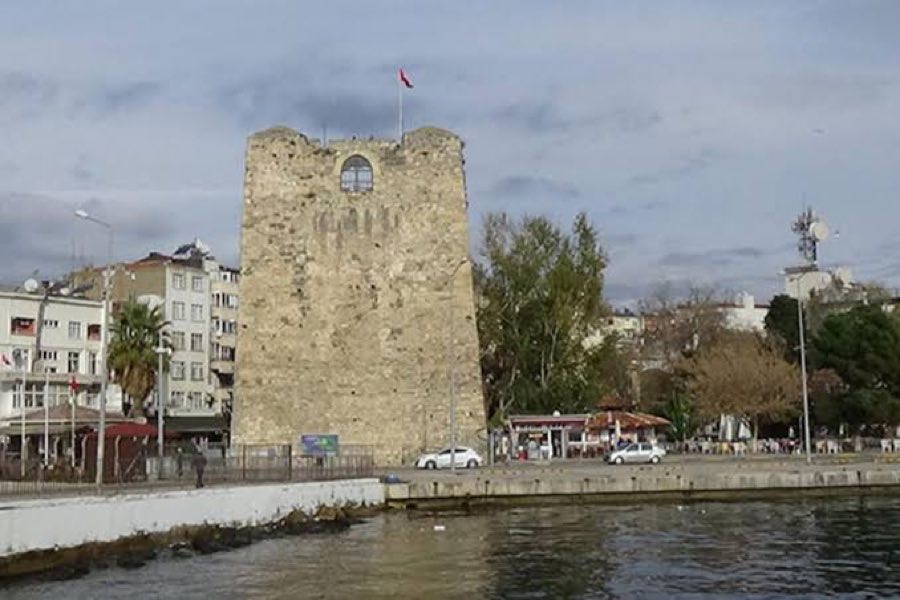
Sinop Castle
Turkey
CastleRuin7th century
No. 87314
Castle · Turkey
No. 87314 · 41.466 N, 34.761 E
Quick summary
Boyabat Castle is a castle in Turkey with origins associated with the 7th century.
See all castles in TurkeyBoyabat Castle, in the Boyabat municipality, Türkiye, was built by the Paphlagonians. One tradition dates its founding to the 7th century BCE, while another places its origins at about 2,800 years ago.
During the Roman period the site acquired substantial underground works, and late Roman and early Byzantine remains are present within the complex. A large subterranean city beneath the hill contains features linked to both Roman and Byzantine phases; tunnels from the castle side descend to this complex and are dated to Roman times in descriptions of the site.
Control of the area passed into Turkish hands after capture by Gazi Gümüshtigin, the Danishmends’ second leader, a few decades after the 1071 Battle of Manzikert. The locality was subsequently governed by a sequence of Turkish states, including the Danishmends, the Seljuq Turks, the Pervaneoğulları and the Jandarids, before incorporation into the Ottoman Empire and, later, the Republic of Türkiye. The castle appears to have ceased serious military use around 1300 AD. During the Ottoman era the fortress was shaped into the form it largely retains today.
In the late nineteenth and early twentieth centuries Boyabat belonged administratively to the Kastamonu Vilayet of the Ottoman Empire. The castle site was registered for protection on 23 October 1987 and has been used as a museum in recent times. In 2018 it was listed among thirteen notable castles by the Turkish Ministry of Culture and Tourism.
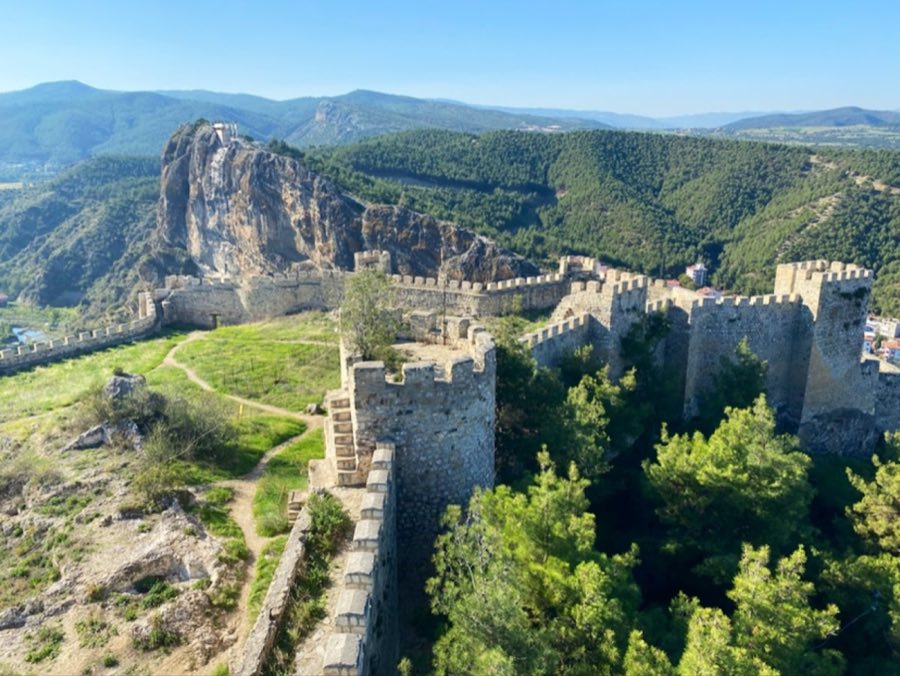
The castle crowns a steep rocky hill on the southern side of a pair of opposing cliffs in the Gökırmak valley. A tributary, known as Kazdere or Gazidere, has cut the rock beneath the fortress, producing two vertical faces that form the natural platform on which the fortification stands. The standing masonry and its setting on these cliffs define the overall layout of the site.
Within and beneath the hill there are substantial underground components. A window on the castle side opens onto tunnels that lead downward into a broad subterranean city; those passages are described as possibly serving both as water conduits and as protected routes in times of siege. The underground system is extensive and is thought to extend beneath much of Boyabat town, showing traces attributable to Roman and Byzantine occupation. Late Roman and early Byzantine remains are reported within the complex, reflecting use and modification across those periods.
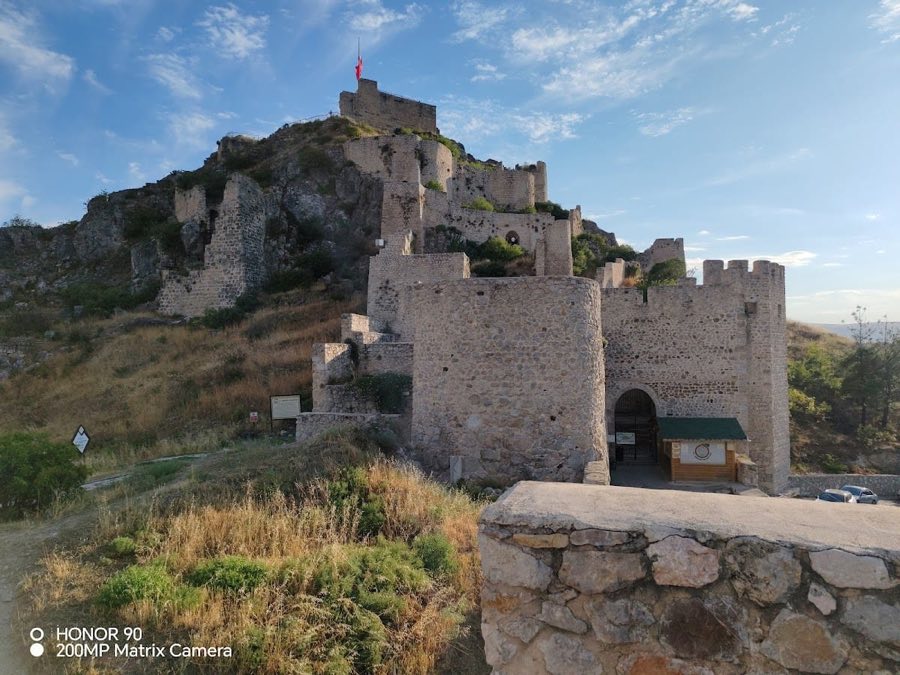
Above ground the fortress survives in a form shaped during the Ottoman period and is maintained as a museum today. Archaeological traces from Roman, Byzantine and Ottoman phases are preserved on the site, and the castle’s condition is described as standing, with its subterranean city documented and associated with Roman-era construction in published descriptions.
No. 17634
No. 56542

No. 54706
No. 39111
Comments
Comments for Boyabat Castle will require a verified account before posting.
We'll send a verification link before your first comment is published.