No. 56080
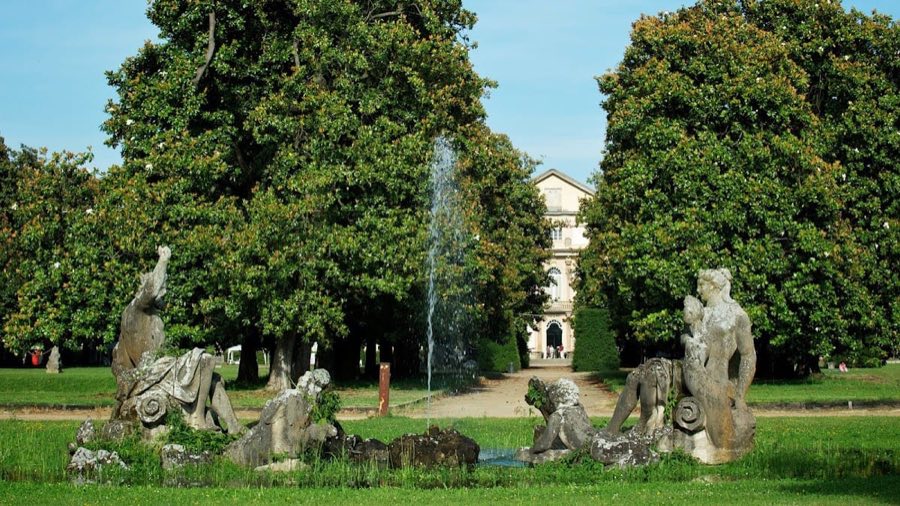
Castello di Belgioioso
Italy
CastleRestoredFor events14th century
No. 55191
Castle · Italy
No. 55191 · 45.239 N, 9.408 E
Quick summary
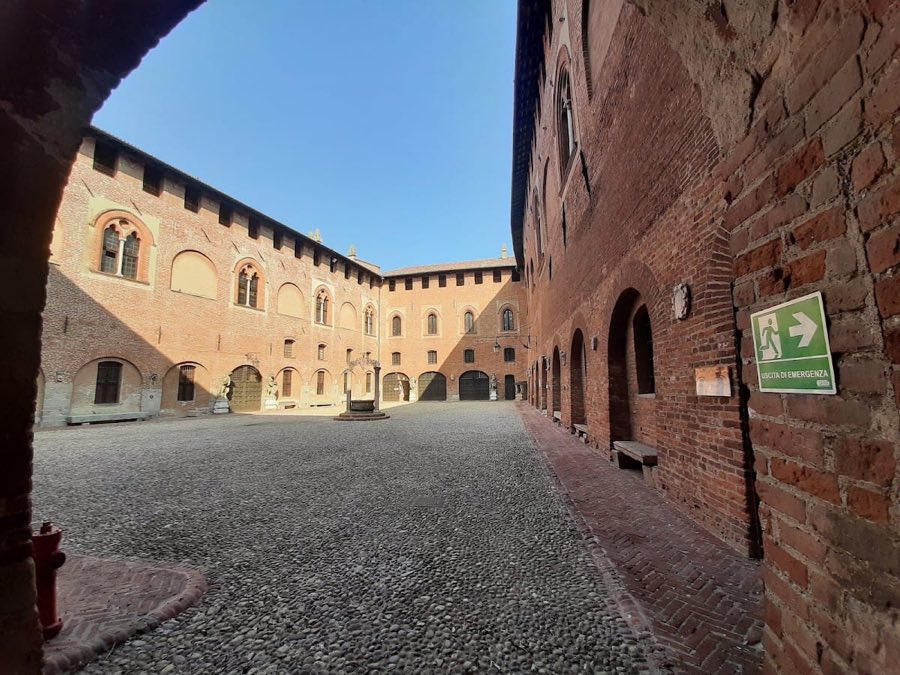
Attendolo Bolognini Castle is a castle in Italy with origins associated with the 13th century.
See all castles in ItalyThe Attendolo Bolognini Castle stands in the town of Sant’Angelo Lodigiano, Italy, and was originally constructed in the 13th century by the Milanese Signoria. Its foundation may rest upon the remains of an earlier Roman fortification, suggesting the site’s strategic importance dates back to antiquity.
During its earliest period, the castle was established as a military stronghold amid frequent conflicts between the powerful city-states of Milan, Pavia, and Lodi. Control over the castle shifted over time, and it eventually came under the possession of the Bishop of Lodi, reflecting a transition from purely military to ecclesiastical authority.
In the late 14th century, the castle underwent significant enlargement under Regina della Scala around 1370. She transformed it into a summer residence, indicating a shift from fortress to noble dwelling. Her husband, Bernabò Visconti, resided there during the turbulent period when power moved from the Visconti family towards the rising Sforza dynasty.
Following this transition, Francesco Sforza, who founded the Sforza dynasty, bestowed the castle upon the Bolognini family. The Bolognini lineage maintained ownership from that point well into the 20th century. Early in the 1900s, Gian Giacomo Morando Bolognini carried out restoration work to preserve the building. Later, in 1933, Lydia Caprara Morando Bolognini adapted the castle to accommodate the Morando Bolognini Foundation and establish three museums within its walls.
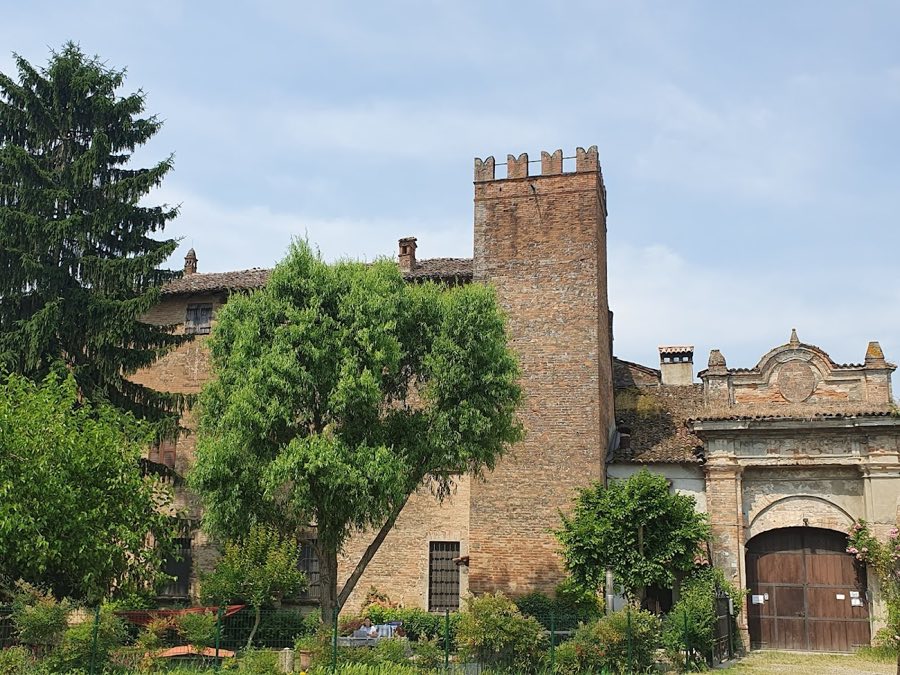
The castle’s layout reflects its medieval origins combined with later adaptations, presenting a structure that includes a central keep known as the mastio. The mastio served as the main defensive tower and a focal point of the castle’s military function during its early history. The building’s construction incorporates masonry typical of 13th-century fortifications, with modifications from later centuries.
Among the most notable features are the terracotta window frames added during the 14th-century expansion overseen by Regina della Scala. These cornices provide both structural framing and decorative detailing that marks the transition of the castle into a noble residence.
Today, the castle houses three distinct museums. The Morando Bolognini Museum occupies 24 rooms that showcase traditional furnishings spanning the 18th through the 20th centuries, including a library containing approximately 2,000 volumes and an armory with around 500 weapons and armor pieces.
The Bread Museum is arranged into five thematic rooms that explore cereal cultivation and bread-making processes, types of bread found regionally and internationally, the machinery used in production, and the bureaucratic regulations associated with bread. This museum brings together cultural and technological aspects of bread as a staple food.
The Lombard Museum of Agricultural History is situated in the former stables, semi-basements, and external courtyards of the castle. It chronicles the history of agriculture from around 10,000 BCE through the Industrial Revolution, with a special focus on innovations and developments in the Lower Po Valley. This museum highlights the technological advances that shaped the region’s rural economy over millennia.
The castle’s preservation reflects a layered history that blends defensive origins with residential use and contemporary cultural functions, maintaining its historical fabric while adapting to new purposes.
No. 56080
No. 96556
No. 34923
No. 17290
Comments
Comments for Attendolo Bolognini Castle will require a verified account before posting.
We'll send a verification link before your first comment is published.