No. 72458
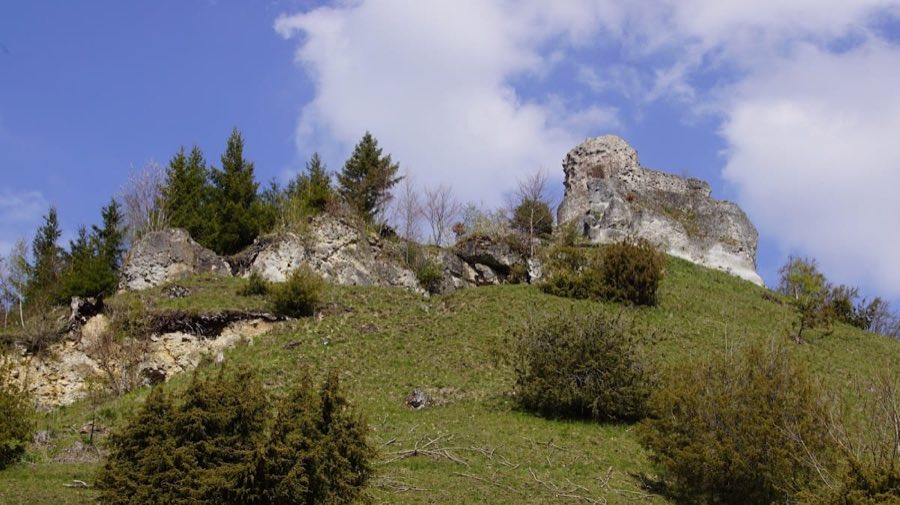
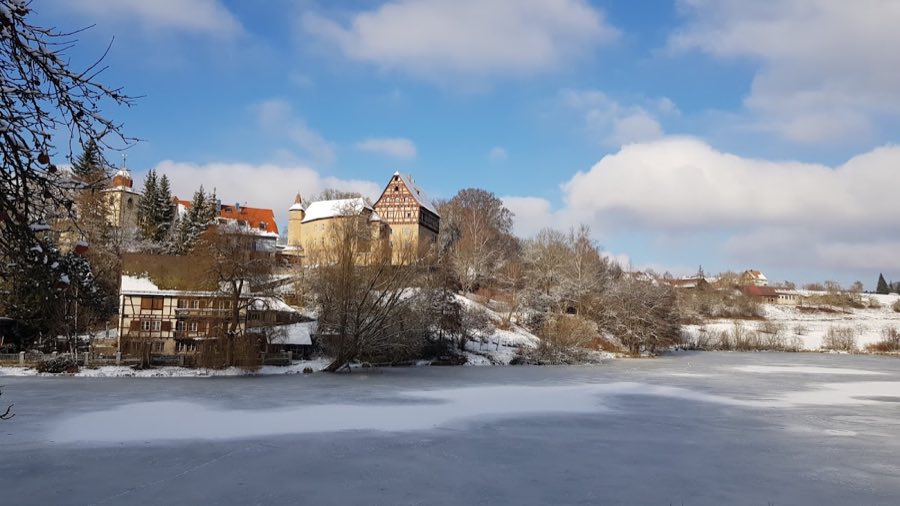
Burg Schenkenstein
Germany
CastleRuin13th century
No. 18018
Castle · Germany
No. 18018 · 48.903 N, 10.317 E
For events
Baldern Castle is marked as a château or castle venue lead. Capacity, indoor/outdoor spaces, catering rules, and accommodation options are published only after public verification.
Event types: Private events, Cultural gatherings, Filming and photography
Quick summary
Baldern Castle is a castle in Germany with origins associated with the 11th century.
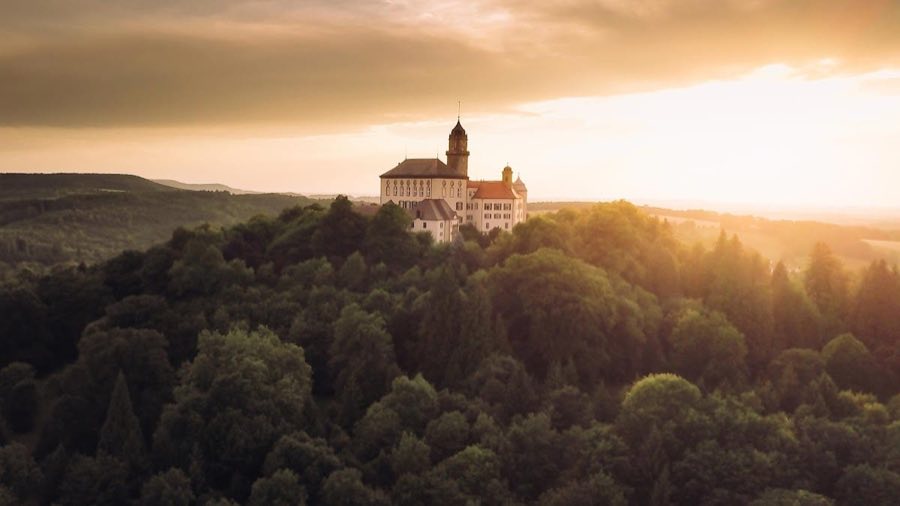
See all castles in GermanyBaldern Castle is located near the town of Bopfingen in modern-day Germany. It was originally established in the 11th century by the noble family von Baldern, reflecting the medieval feudal structures of the region. The castle remained under their ownership for several generations before its control shifted.
In 1280, Count Ludwig V of Oettingen became the owner, initiating a lineage of management by the Oettingen family that endures to this day. Over the following centuries, the castle experienced periods of financial difficulty, notably in the 15th century when it was pawned. This situation reversed in 1507 when the family regained full possession of the estate.
A significant transformation took place between 1718 and 1737 under the direction of architects Franz de Gabrieli and later his brother Gabriel de Gabrieli, both originating from Graubünden. During this time, Baldern Castle was rebuilt in the Baroque architectural style, serving as the elegant residence for the Counts of Oettingen-Baldern.
Following the extinction of this family line in 1798, the property passed to the princely house of Oettingen-Wallerstein. The new owners introduced further enhancements in the 19th century, including the creation of an English-style landscape park on the castle hill and the construction of a tower above the main building, designed by August von Beyer in 1887.
At the close of the 19th century, in 1896, Baldern Castle was opened to the public as a museum. Since 1930, it has housed an extensive private collection of weapons, numbering approximately 800 pieces of European and Oriental origin dating from the 14th to the 18th centuries. The museum also preserves former private living quarters of the Ettingen family and their servants, as well as a representative festival hall.
Historical records from the 18th century include multiple reports of ghost sightings within the castle, adding an intriguing element of local folklore to its long-standing history.
Baldern Castle occupies a prominent high hill northwest of Bopfingen, projecting northward from the steep eastern edge of the Swabian Alb. The current castle presents the distinct appearance resulting from the Baroque reconstruction carried out between 1718 and 1737. This period shaped the residential and representational rooms, which remain richly decorated to this day.
Among the notable features is a Baroque chapel integrated into the castle’s structure, reflecting the religious commitments of its former noble inhabitants. The interior includes a festival hall designed for formal events, which offers extensive panoramic views over the Nördlinger Ries basin to the east and the surrounding Alb escarpment to the south.
The castle’s grounds underwent transformation in the 19th century with the creation of an English-style landscape park enveloping the hill, enhancing the natural setting through carefully planned greenery. Above the main building, a tower was added in 1887, designed by architect August von Beyer, rising prominently and contributing to the castle’s silhouette.
Housing one of Germany’s largest private weapons collections, the castle exhibits nearly 800 European and Oriental arms and armor pieces dating from the 14th through the 18th centuries. These artifacts are displayed throughout the building, often within historic rooms that once served as private quarters for the Ettingen family and their servants. This integration of collection and preserved living spaces provides insight into the castle’s multifaceted history.
The castle remains well preserved, functioning both as a museum and a private residence of the Oettingen-Wallerstein family, thereby maintaining its historical fabric and continuing legacy.
No. 72458
No. 97590
No. 36086
No. 71475
Comments
Comments for Baldern Castle will require a verified account before posting.
We'll send a verification link before your first comment is published.