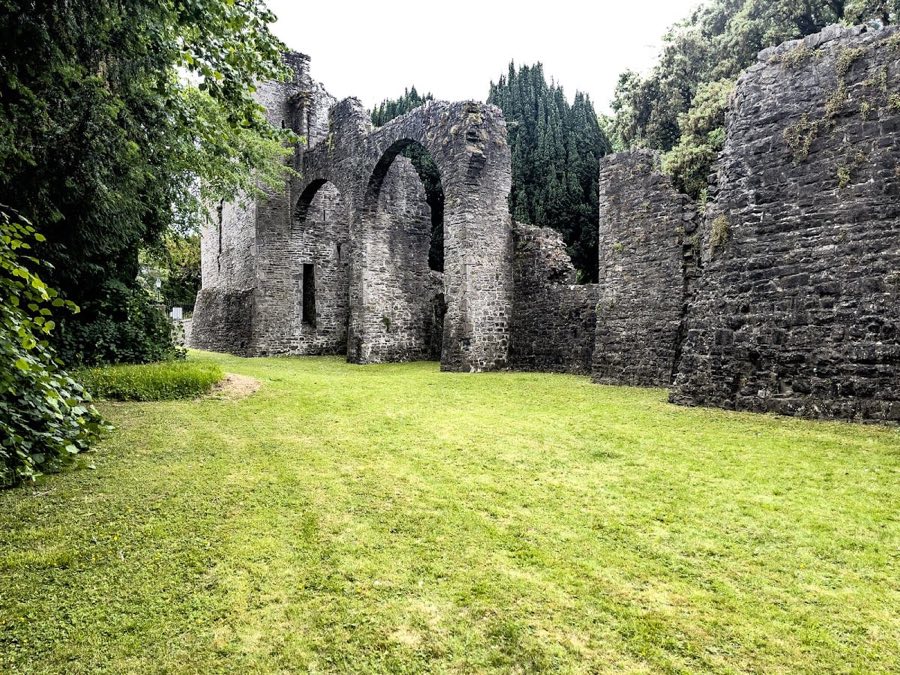
No. 30816
Maynooth Castle
Ireland
CastleRuin13th century
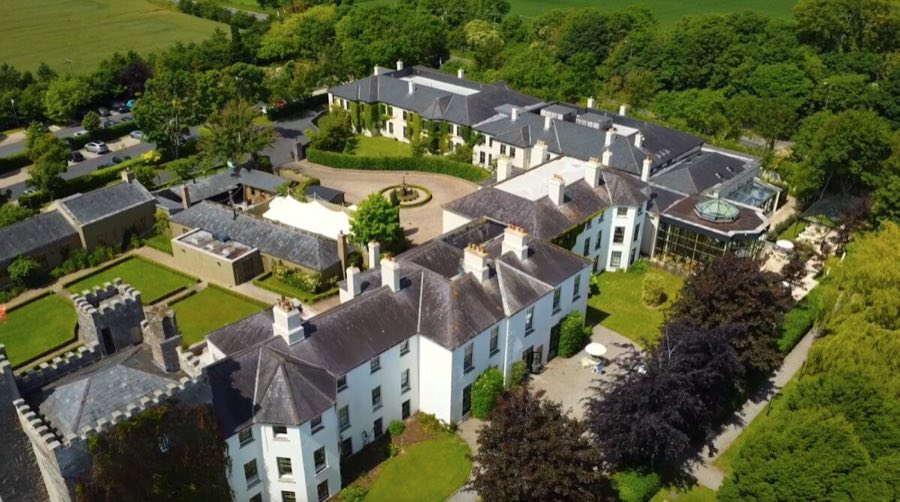
No. 35975
Castle · Ireland
No. 35975 · 53.323 N, 6.610 W
For rent
Barberstown Castle is marked for bookable castle accommodation. Nightly pricing, sleeps count, stay rules, and amenities are displayed only when public operator data is available.
Rental type: Hotel / bookable stay, Short-stay rental
Short-term availability: Bookable accommodation signal
Quick summary
Barberstown Castle is a castle in Ireland with origins associated with the 17th century.
See all castles in IrelandBarberstown Castle is located in Straffan, Ireland, and dates back to the medieval period, having been built by the Norman civilization. The castle’s construction began around 1288 when Nicholas Barby established the fortified residence on land originally belonging to the Fitzgerald family, one of the prominent Norman-Irish dynasties in the region.
Throughout the centuries, Barberstown Castle witnessed several transitions in ownership reflecting Ireland’s turbulent history. During the early 17th century, the property passed into the hands of William Sutton in 1630. By the late 1600s, Lord Kingston held the castle, but his support for the ousted King James II amid the Jacobite-Williamite conflict led to a dramatic change: in 1689, the Earl of Tyrconnell seized the castle, transferring it to crown control. From this point, it was managed by royal revenue commissioners, and later, Roger Kelly leased it, indicating its continued habitation.
In the early 18th century, the castle entered a new chapter when Bartholomew Vanhomrigh acquired it in 1703 along with 335 acres. Vanhomrigh, notable for serving as Lord Mayor of Dublin in 1697, was also the father of Vanessa, famously linked to Jonathan Swift. The estate eventually moved to the Henry family but financial difficulties prompted them to sell. Hugh Barton, a merchant linked to the Barton and Guestier wine business, became the next owner. In the 1830s, Barton made significant enhancements to the castle, including adding an extension and constructing Straffan House nearby.
Ownership in the 20th century included the Huddleston family before the property was sold to Mrs. Norah Devlin, who transformed the historic building into a hotel in 1971. Musician Eric Clapton purchased Barberstown Castle in 1979, later selling it in 1987 to Ken Healy. Under Healy’s stewardship, the castle underwent extensive renovations and enlargement, including the addition of new bedrooms to create a modern hotel setting while preserving its historic character. Investigations in 1996 revealed an underground tunnel linking the castle to the nearby Straffan church, believed to have served as a secret passage during the period of the Penal Laws, when Catholic practice was suppressed.
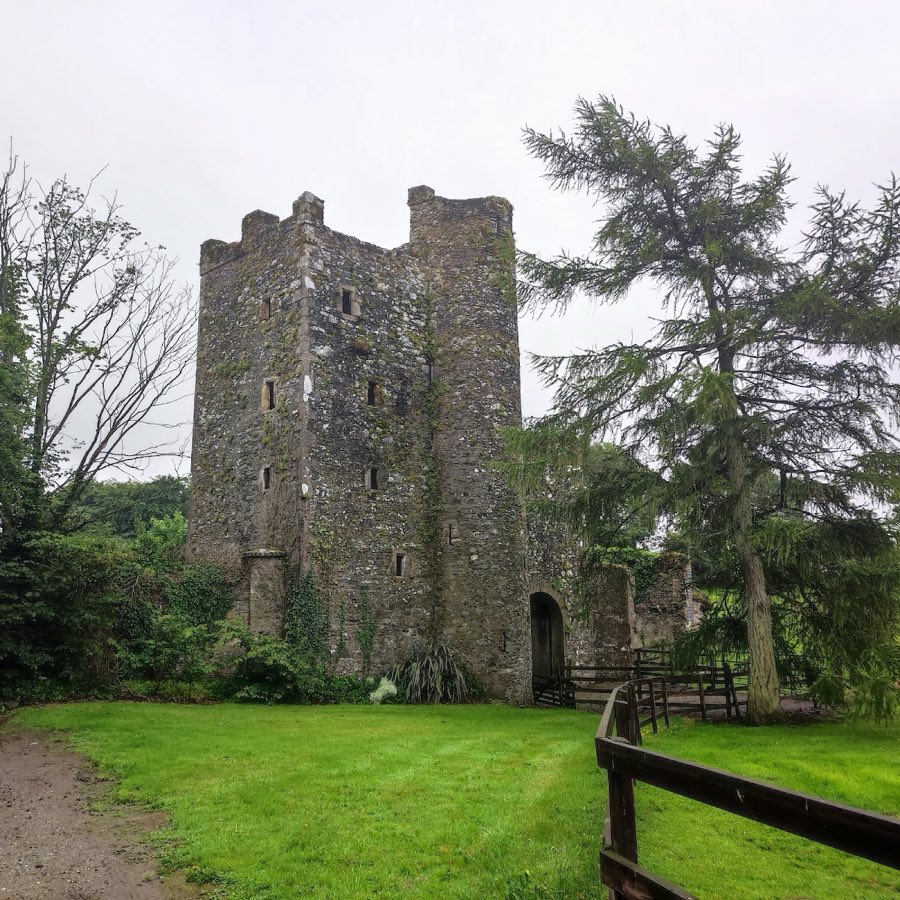
Barberstown Castle’s existing structure presents a blend of medieval origins with later 19th-century expansions, all set within extensive gardens covering about 20 acres. The main building retains its historic stone construction typical of Norman castles, with successive additions reflecting evolving architectural styles and the changing needs of its inhabitants.
One of the notable features is the wing added during the 1830s under Hugh Barton’s ownership, which expanded the original medieval fortress into a larger residence. This extension blends with the older parts while showcasing 19th-century design adjustments. In the late 20th century, further renovations undertaken by Ken Healy increased accommodation capacity by adding 10 bedrooms and three bathrooms, resulting in a total of 59 guest rooms. These changes respect the castle’s historic fabric while adapting it for modern use.
A remarkable archaeological discovery at the site is the underground tunnel uncovered in 1996, connecting Barberstown Castle and the adjacent Straffan church. This subterranean passage is thought to date back to the era of the Penal Laws in Ireland, a time when secret routes allowed safe movement for those practicing Catholicism under legal restrictions. The presence of this tunnel offers insight into the covert religious and social activities linked to the castle’s history.
Today, Barberstown Castle stands as a well-preserved example of a medieval fortress evolved through centuries into a stately residence. Its sturdy stone walls, the 19th-century wing, and the hidden tunnel together compose a layered architectural narrative, reflecting both its defensive roots and later adaptations. The surrounding gardens provide a spacious setting that complements the castle’s enduring presence in the Irish landscape.
No. 30816
No. 77655
No. 76579
No. 46977
Comments
Comments for Barberstown Castle will require a verified account before posting.
We'll send a verification link before your first comment is published.