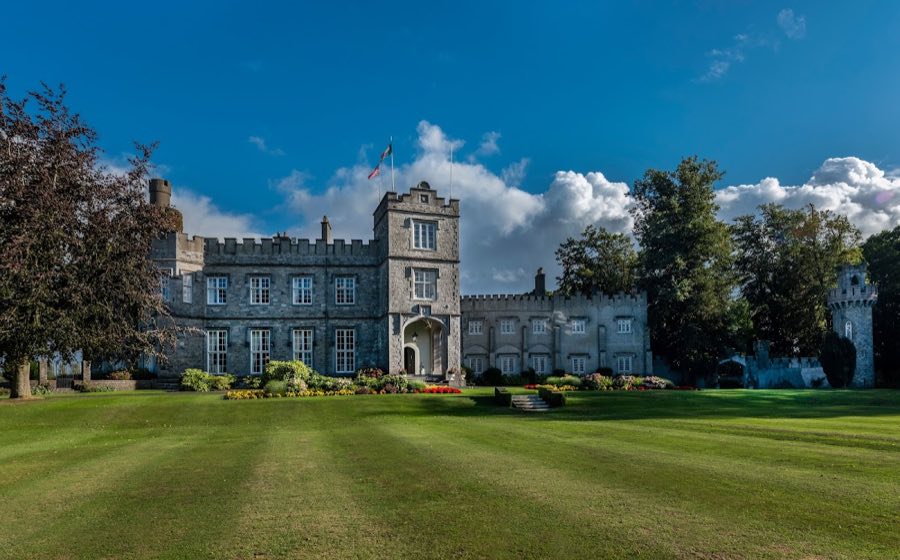
No. 89100
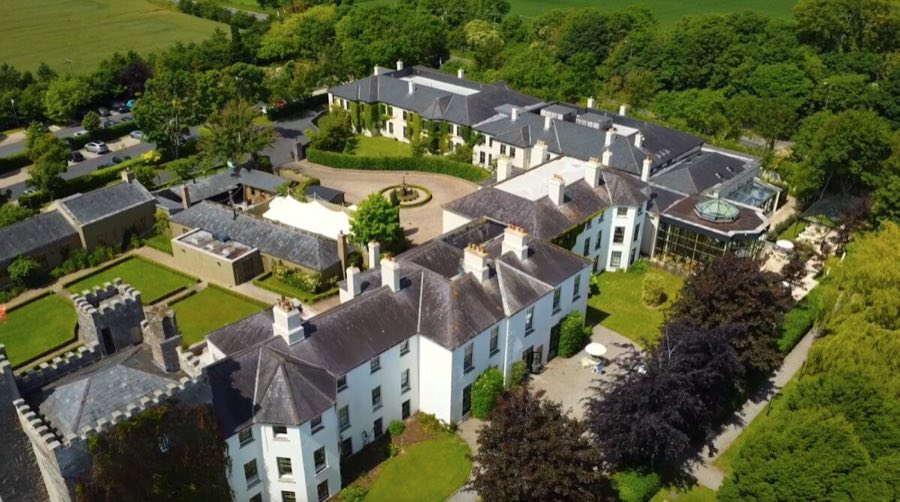
Luttrellstown Castle
Ireland
Manor houseRestoredFor events13th century
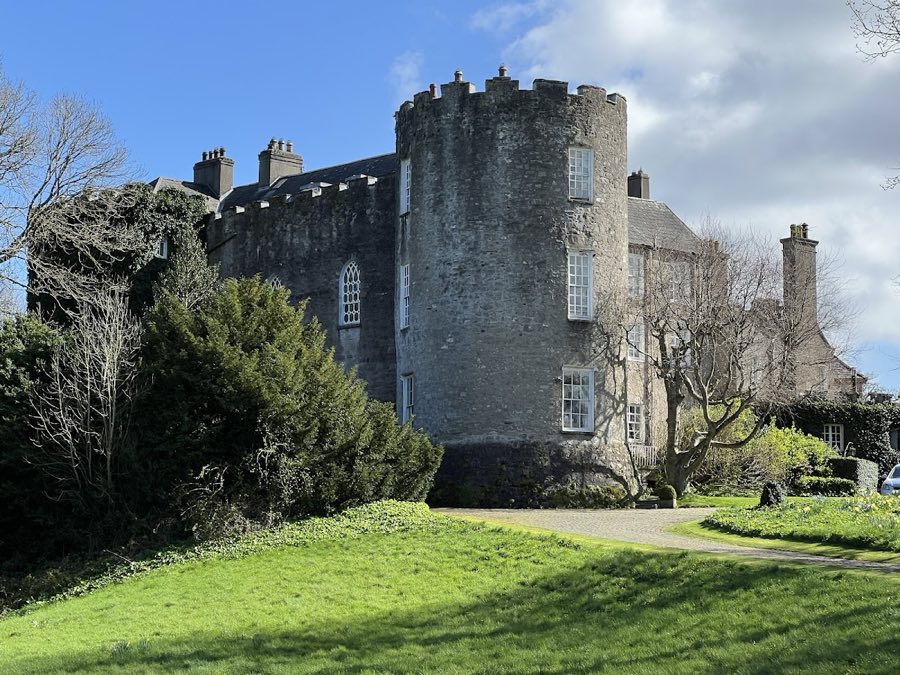
No. 77655
Castle · Ireland
No. 77655 · 53.362 N, 6.491 W
Quick summary
Leixlip Castle is a castle in Ireland with origins associated with the 9th century.
See all castles in IrelandLeixlip Castle in Leixlip, Ireland, has a central core erected by Norman builders after the Anglo‑Norman arrival.
The first fortified occupation of the promontory was Viking. A recorded battle at the site in 917 names the Viking king Sigtrygg Caech of Dublin as defeating the king of Leinster, indicating the place was a defended riverside settlement under Norse control.
The castle’s stone core dates to the late twelfth century. Adam de Hereford, a companion and vassal of Strongbow, built the central part between 1172 and 1175. During the medieval period ships could reach the site from the sea, and in 1185 King John used the place as a hunting lodge while he held the title Lord of Ireland. In 1316 Edward Bruce laid siege to the castle; some records state the stronghold resisted that attack, while another account records it falling after four days.
In the early modern period Judge Nicholas White bought the castle in 1567 and his family occupied it until 1728. That year William (also recorded as James) Conolly acquired the property, taking an estate recorded at 809 acres for a purchase price noted as £12,000. Residents or occupants associated with the house over the eighteenth and nineteenth centuries include Archbishop George Stone, General and later Marquess George Townshend (Lord Townshend), Lord Waterpark, and the French envoy in Ireland. In 1755 Arthur Guinness established his first brewery near the castle; that operation moved to St. James’s Gate, Dublin, in 1759.
A literary mention of the site appears in 1825 when Charles Maturin published the short horror story titled “Leixlip Castle.” Conolly family descendants are recorded as selling the property in 1914. In 1922 the house served as the residence of the French ambassador to the Irish Free State. Ownership changed again in the twentieth century when William Cavan purchased the property in 1945 and Desmond Guinness acquired it in 1958. The castle is recorded under several Irish names, including Caisleán na Léim an Bhradáin, Caisleán Léim an Bhradáin, and Léim.
Leixlip Castle presents as a stone fortified residence whose earliest surviving fabric dates to the twelfth century, the central portion being built on a rocky bluff above the River Liffey where that river meets the Rye Water. The building is constructed of stone and has been occupied for many centuries, preserving the character of a medieval fortified dwelling adapted over later periods.
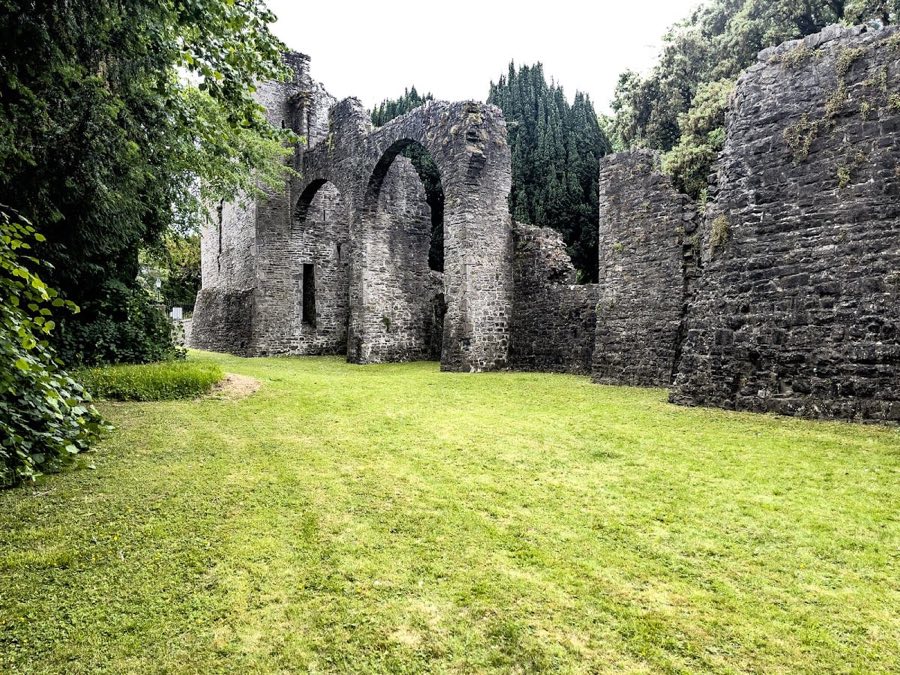
A boathouse on the riverbank is dated to 1780 and survives as a ruin, its fabric reflecting later‑eighteenth century riverside use connected with the house. The riverside situation and that boathouse show continued activity at the waterfront after the medieval era when ships could reach the site.
Several interior fittings and movable items remain within the house. The entrance hall or antechamber contains Brussels tapestries that depict the episode of Theodotus presenting Caesar with Pompey’s head. The dining room holds numerous Chippendale pieces of furniture, and the library retains mid‑eighteenth century stucco work together with a French carpet. A large dollhouse dating to the eighteenth century is recorded among the collection. Additional items recorded in the house include old tapestries, carpets, paintings, sketches, engravings and drawings, and an old library of books and fittings that reflect successive phases of furnishing.
The grounds include a designed garden that ends with a small temple or folly, and there is a kitchen or utility garden associated with the household. These garden elements show eighteenth‑century landscaping and service areas arranged to serve the residence and its household functions.
No. 89100
No. 30816
No. 34380
No. 35975
Comments
Comments for Leixlip Castle will require a verified account before posting.
We'll send a verification link before your first comment is published.