No. 66480
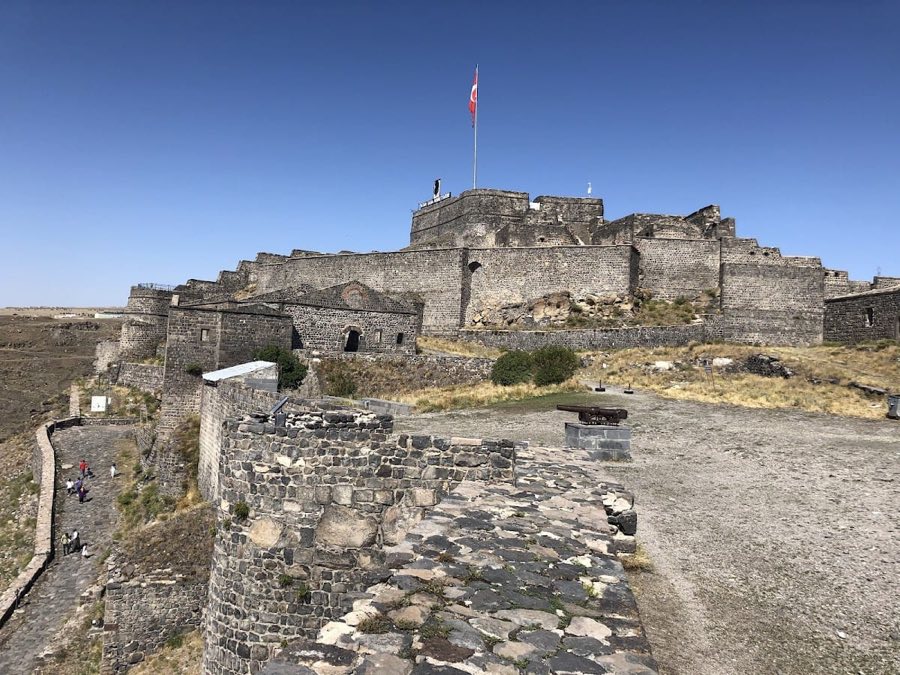
Castle of Kars
Turkey
CastleIntact12th century
No. 39485
No. 39485 · 40.430 N, 42.350 E
Quick summary
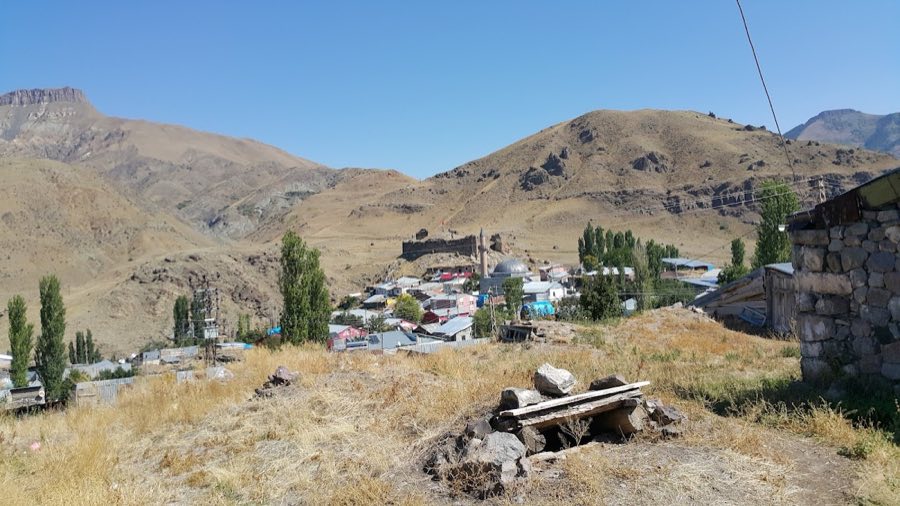
Bardız Castle is a castle in Turkey with origins associated with the 16th century.
See all castles in TurkeyBardız Castle in the municipality of Gaziler, Turkey, was erected under medieval Georgian rule.
During the Middle Ages the fortress belonged to Georgian authorities and held strategic importance for the rulers of the Tao-Klarjeti principality. A tradition links the building of a church within the fort and an associated inscription to the reign of David III Kouropalates. The inscription stone in the wall has been dated on paleographic grounds to the tenth century, and that dating is taken as evidence connecting the castle’s ecclesiastical fabric to the same period.
Control of the fortress passed to the Ottoman state by the middle of the sixteenth century. A 1574 Ottoman administrative register identifies the place as Rabat-i Kala-i Bardız and records it as the administrative center of the Bardız nahiya in the Oltu sancak.
In the seventeenth century the traveller Evliya Çelebi associated building activity at the location with the Turkmen Ak-Koyunlu and described the presence of surrounding buildings and nearby trade routes that served the fort. During the eighteenth century Catholic missionaries brought from Akhaltsikhe were detained in the castle. In 1769 a priest sent a letter to the cardinal in Rome seeking assistance, and in 1770, with the permission of the local Ottoman ruler Noman Pasha and following a reply from Rome, the detained priests were released and returned to Rome.
In 1978 the site received official protection as a registered cultural property.
The fortress stands as a mostly enclosed stronghold with its surrounding curtain walls forming the primary layout. The walls were built using a fill-wall method, with a packed interior supported by two facing layers and reinforced by two rows of timber beams set into the stonework; several of those wooden elements remain visible. Over time the interior court has been partly filled with later deposits, so that the present ground and water levels lie roughly five metres above older surfaces.
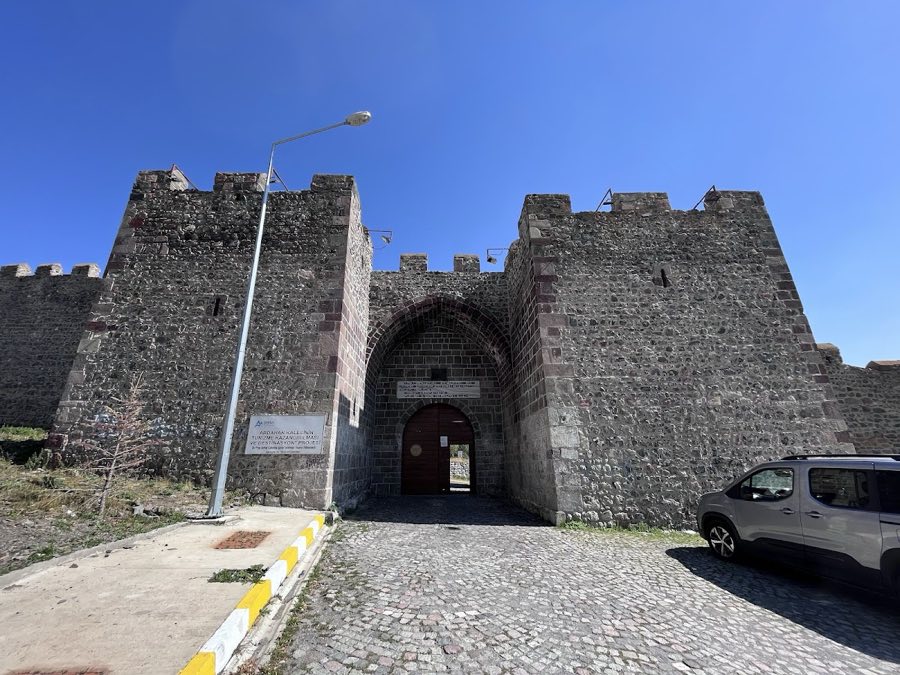
The main gate opens to the west. The masonry around the gateway is damaged, yet the southern jamb and fragments of the gateway arch survive in place, giving a clear sense of the original entrance alignment.
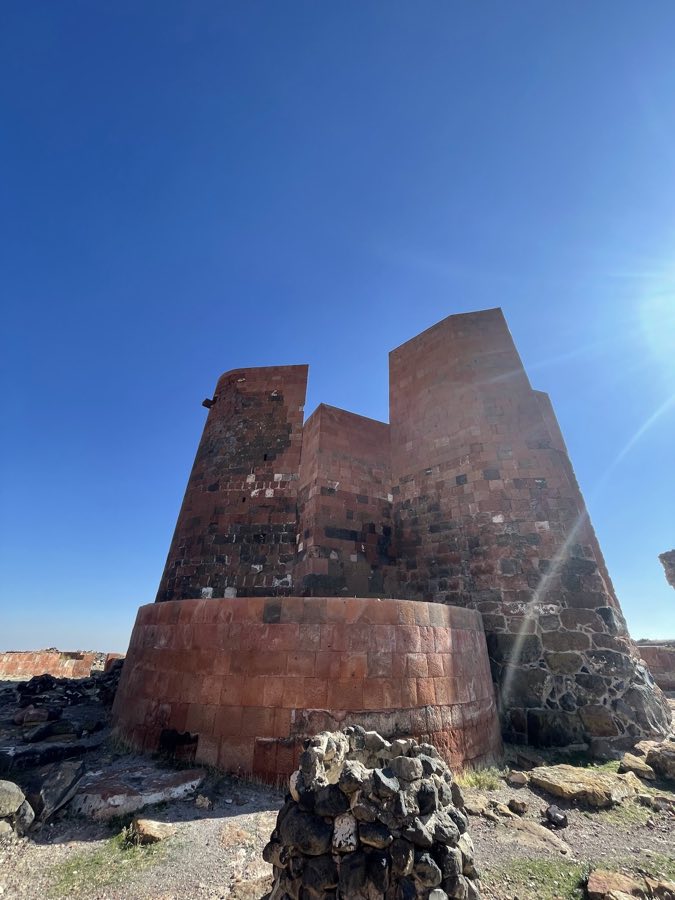
A rectangular defensive tower occupies the southwest corner and rises to about eight metres. The tower’s corners are clad or finished in contrasting hues, with descriptions recording combinations such as white, red and orange, and black, white and red. Several blocks set into the tower’s southern wall preserve carved Georgian decorative motifs; these stones have been identified as facing elements taken from a former church and reused during later rebuilding.
To the north of the enclosure an artificial mound marks the collapsed remains interpreted as a palace or a church connected with the fort’s occupation, while further structural fragments appear in the central area of the courtyard. Set into the curtain wall at about three and a half metres height, a reddish stone carries a two-line inscription in Georgian Asomtavruli script. Paleographic features place this inscription in the tenth century, and the stone is regarded as having been taken from a ruined church wall and recycled into the fortress fabric.
No. 66480
No. 39829

No. 32323
No. 34786
Comments
Comments for Bardız Castle will require a verified account before posting.
We'll send a verification link before your first comment is published.