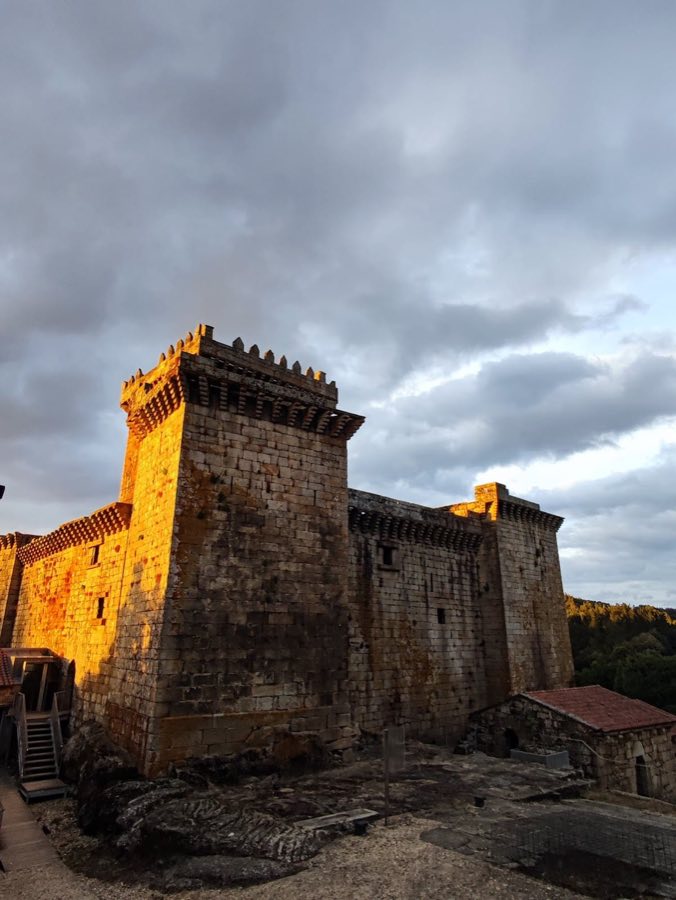
No. 11334
Pambre Castle
Spain
CastleRestored14th century
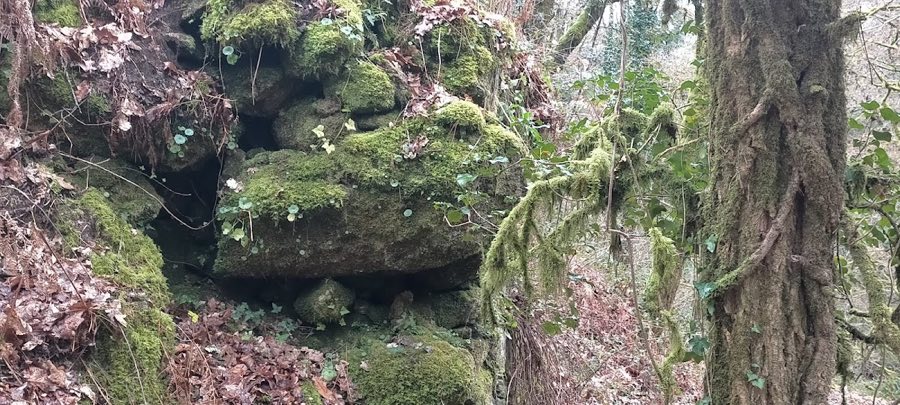
No. 40787
Castle · Spain
No. 40787 · 42.744 N, 8.403 W
For events
Barreira Tower is marked as a château or castle venue lead. Capacity, indoor/outdoor spaces, catering rules, and accommodation options are published only after public verification.
Event types: Private events, Cultural gatherings, Filming and photography
Quick summary
Barreira Tower is a castle in Spain with origins associated with the 14th century.
See all castles in SpainBarreira Tower stands in the municipality of La Estrada, Spain; it belongs to the medieval Christian landscape of the region. By the twelfth century the site was part of the archbishopric of Santiago de Compostela, incorporated into that lordship during the reign of Alfonso VII. Its position on the road linking Orense and Santiago made it an important place for administering the Tabeirós district and for collecting rents. Archbishops sometimes used the place as a temporary residence, and the archbishopric appointed a merino, an official charged with local administration and fiscal tasks; records show many different merinos over time. Contemporary and later records overwhelmingly describe the place as a fortress, and occasional references call it the house or fortress of the Barreira.
In 1342 the tower was in the hands of Vasco Pérez. On 5 April 1342 King Alfonso XI ordered Vasco Pérez to render homage to Archbishop Martín Fernández de Gres for the Barreira, but Vasco Pérez refused. The archbishop laid siege to the fortress that summer, and correspondence between the archbishop and the king about that siege is documented. After these events the property passed into archiepiscopal control.
In 1379 Count Pedro Enríquez seized the tower and undertook a complete rebuilding. This seizure led to legal conflict with Archbishop Juan García Manrique. A Torrijos sentence dated 17 March 1384 ordered the count to return the properties and to pay costs. Arbitration at Medina del Campo on 10 December 1388 found that the count had no legal right to Tabeirós or the tower and required him to restore them, while awarding him monetary compensation.
Legal activity around the site continued into the late fourteenth century, including powers of attorney dated 24 October 1398. By his will of 29 April 1400 Count Pedro Enríquez ceded the fortress and its lands of the Barreira to Archbishop Lope de Mendoza, subject to repayment of a debt owed to the count. In 1420 Archbishop Lope de Mendoza entrusted the tower to Duke Fadrique Enríquez de Castilla as a charged holding. The fortress suffered destruction during the Irmandiña Revolt; it was rebuilt thereafter, but it survives today only in a ruinous state.
The site occupies Monte de la Barreira near Santiago de Compostela and is laid out as a medieval defensive stronghold characterized by multiple towers clustered around an entrance work. Archaeological and historical records identify a group of towers and a bastion protecting the gateway, forming the principal surviving elements that define the fortress’ plan. These elements reflect a building used both for defense and for local administration.
Some of the towers and the entrance bastion served not only defensive roles but also as living quarters for officials who ran the fortress and collected rents; documentary notes link habitation of these parts to the administrators employed by the archbishopric. The tower complex underwent rebuilding in the late fourteenth century under Count Pedro Enríquez and again after it was battered during the Irmandiña Revolt, evidence of successive phases of repair and reuse tied to political events.
Today the remains are fragmentary and ruinous. The spatial relationship of towers and the gateway bastion still marks the former entrance and defensive arrangement, but the complex exists only as archaeological ruins. Contemporary records and later commentary emphasize the site’s function as a fortress and its long use as an administrative center, connecting the standing fragments to its documented medieval roles.
No. 11334
No. 93935
No. 78922
No. 68637
Comments
Comments for Barreira Tower will require a verified account before posting.
We'll send a verification link before your first comment is published.