No. 40787
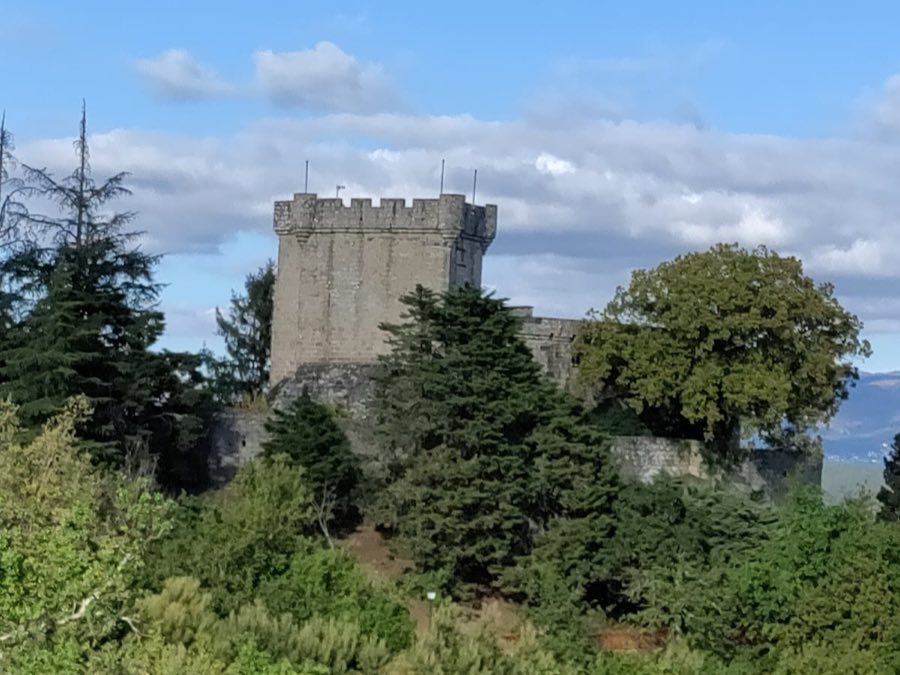
Barreira Tower
Spain
CastleRuinFor events14th century
No. 68637
No. 68637 · 42.929 N, 9.169 W
For sale
Castillo del Príncipe in Spain is marked with a public sale signal. Asking price, tenure, land area, floor area, and room counts are shown only after public verification.
Status: Public sale signal
Price: Price on application or not publicly verified
Property type: Castle
Notable features: Residential use
Availability note: Submit an official public listing or register buying interest to complete the sale record.
Quick summary
Castillo del Príncipe is a castle in Spain with origins associated with the 18th century.
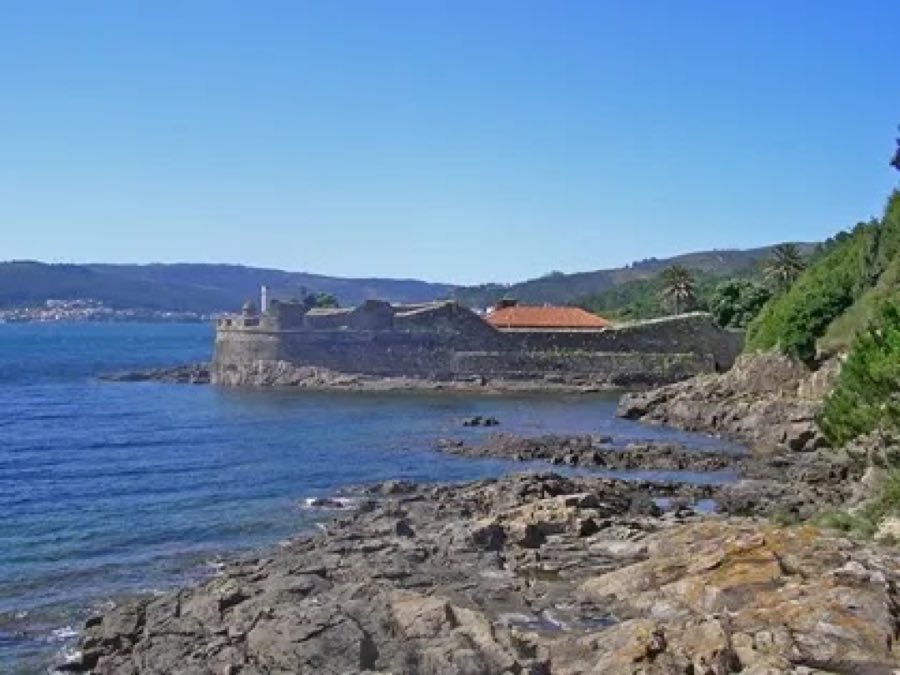
See all castles in SpainThe Castillo del Príncipe is an 18th-century fortress constructed by Spanish builders in the municipality of Cee, Spain. It was established as part of a defensive network designed to protect the coast known as the “Costa da Morte” from potential maritime threats.
Construction of the fortress began in 1740 alongside the nearby Castelo do Cardeal. Initial engineering work was led by Francisco Llobet, though the definitive phase of the project started in 1744 under Carlos Lemaur, a French military engineer serving during the Bourbon dynasty’s reign in Spain. The fortress was completed in 1755. It received its name in honor of the son of King Carlos III, who later ascended the throne as Carlos IV.
Throughout the 18th century, Castillo del Príncipe played a strategic military role guarding the estuary of Corcubión and monitoring naval activity. However, its military importance diminished during the 19th century. By the century’s end, the castle was sold at a public auction, becoming private property for the first time. Its purchaser, Plácido Castro Rivas, was a businessman, banker, and politician from Finisterre who also owned the Castillo de San Carlos de Finisterre since 1892.
In 1928, following his departure from the nearby town of Corcubión, Plácido Castro donated the fortress along with other assets to the Madrid Association of Journalists. This group later mortgaged the property, which led to its transfer into bank ownership. For many years thereafter, the building was left unoccupied.
The fortress underwent significant restoration beginning in 1985 when Xosé Ramón Oreiro, a Galician entrepreneur, acquired it for 30 million pesetas. His renovation transformed the castle into a luxury residence, marking the most extensive refurbishment since its original construction. In 2006, ownership passed to a businessman from La Rioja for around 3 million euros. Following this, the property was listed for sale at approximately 4.7 million euros.
Recognized for its cultural and historical value, Castillo del Príncipe was declared a Bien de Interés Cultural (Asset of Cultural Interest) in 1994. This designation subjects the site to regional cultural heritage laws, which include provisions for public access, contributing to discussions within the local community.
Castillo del Príncipe features a well-planned fortress layout typical of 18th-century coastal defenses. Its design includes a series of twelve towers, each equipped to mount an artillery piece, with all arranged facing the sea. This arrangement mirrors the nearby Castelo do Cardeal, emphasizing coordinated control over the Corcubión estuary.
The fortress’s defensive wall, known as the curtain wall, is accessed via a moat crossed by a bridge leading directly to it. Along the curtain wall lies a broad walkway called the adarve, which served as a patrol path. The adarve can be reached either by a gently sloping ramp or by two stone staircases. Supporting structures include buttresses featuring lowered arches, which provide additional reinforcement to the ramparts.
Within the defensive enclosure, a prominent building extends its wings inward toward the demi-bastions of the hornwork—a fortified outwork designed to cover the main walls. This building housed the operational components of the fortress, including quarters for a garrison of 88 soldiers, storage rooms for supplies, and a powder magazine for storing gunpowder safely.
Construction materials and techniques highlight finely dressed stone masonry both on the exterior perimeter and throughout much of the interior structures. This precise stonework contributes to the fortress’s imposing appearance, visible from the land and sea approaches alike. The stone blocks were carefully cut and laid to ensure durability and resistance against attack.
The spatial relationship of Castillo del Príncipe with Castelo do Cardeal is notable, as the two fortresses face each other across the estuary, creating a defensive crossfire zone to protect the harbor entrance. Over time, the building has undergone several phases of use and modification, yet many of these original features remain in place today, reflecting its historical role and architectural significance.
No. 40787
No. 93935
No. 70550
No. 78922
Comments
Comments for Castillo del Príncipe will require a verified account before posting.
We'll send a verification link before your first comment is published.