No. 71303
Ruine Bussen
Germany
CastleRuin16th century
No. 49982
Castle · Germany
No. 49982 · 48.085 N, 9.409 E
Quick summary
Baumburg (Turmhügel Baumburg) is a castle in Germany with origins associated with the 12th century.
See all castles in GermanyTurmhügel Baumburg stands in Herbertingen, Germany, and was erected by medieval German local lords.
The site is linked to the medieval family known as the lords of Baumburg‑Hundersingen. Documents from 1090 and 1092 record possession of Baumburg by that family and name the Minnesinger Ulrich von Buwenburg. The castle itself is reported to have been constructed in the late 12th century, with its form most likely a motte-type hilltop stronghold.
On 15 March 1282 a member of the family, Dietrich von Baumburg, transferred an Eigenmann (a dependent or tenant under medieval tenure arrangements) to the abbess and nuns of Heiligkreuztal. Before long the site ceased to be occupied; it was abandoned in the late 1200s and by 1344 was described as a site of a former castle. During the 1500s the monastery of Heiligkreuztal formally forbade any rebuilding of the ruined castle.
Over time the place-name appears in several spellings, including Baumburg, Buenburg, Buwenburg, and Bawenburg. A local ghost story called the “White Lady in the Baumburg” was collected and published in 1861 by Anton Birlinger and Michel Buck.
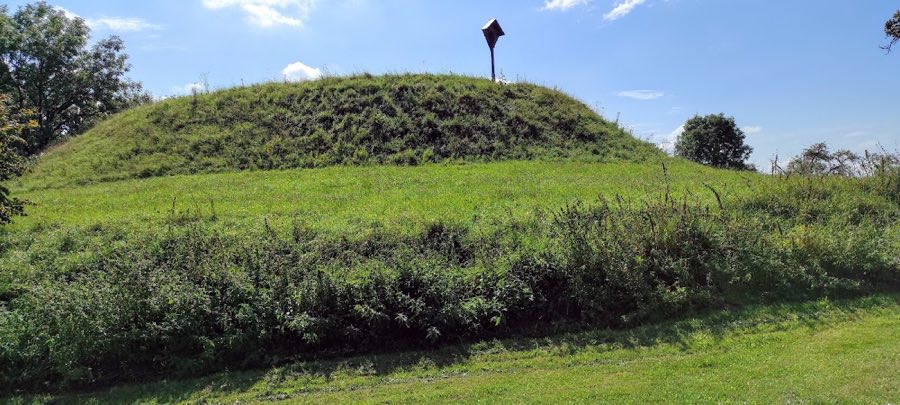
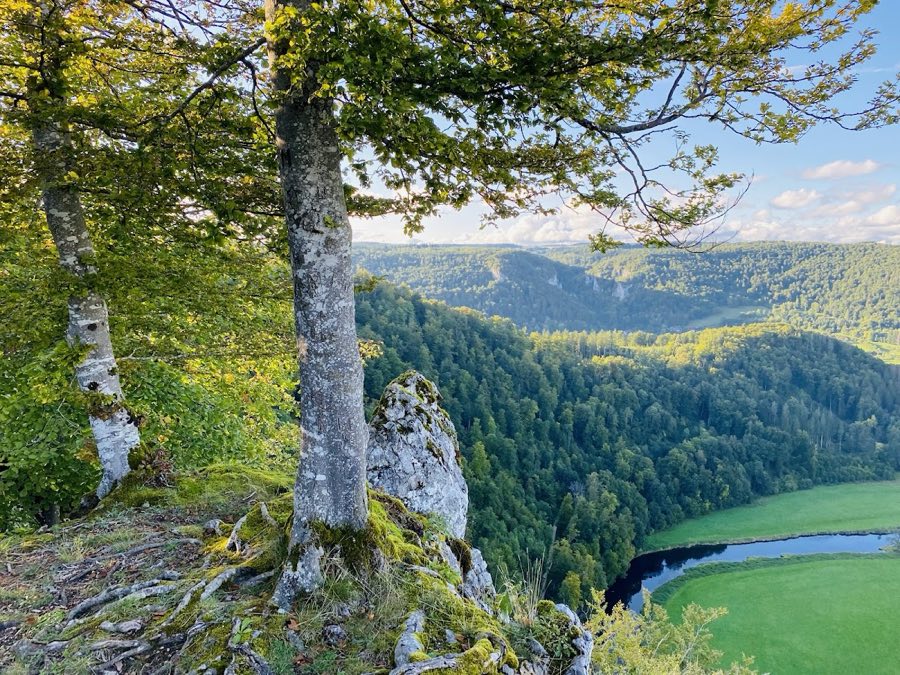
The castle occupies a compact plateau about 30 by 34 metres in area, sitting at roughly 603 metres above sea level on a steep slope above the Danube. The site takes the form of a motte, a raised earthen mound that supported the medieval stronghold, and the plateau is believed to rest upon a much older Iron Age large burial mound.
The central mound reaches about 9.3 metres in height and measures close to 75 metres across at its base. Built from earth, this mound served as the raised core of the castle complex and survives as a prominent earthwork today. The raised ground shows the reuse of the landscape for medieval defensive purposes, with the mound remaining largely intact as a visible remnant.
A surrounding defensive ditch remains preserved and encircles parts of the work. Photographic descriptions and site reports note an additional forward ditch on the north‑east side, placed beyond the main defensive cut, which marks an outer line of defence. These ditches are cut into the natural slope and survive as clearly readable features in the ground.
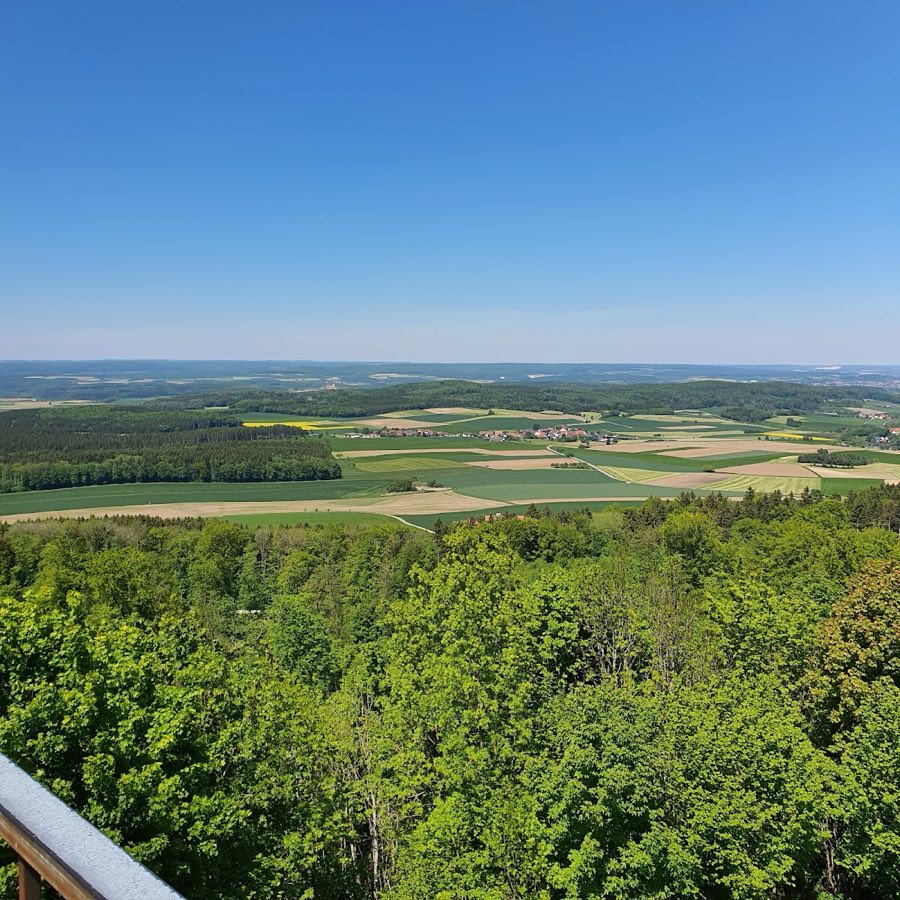
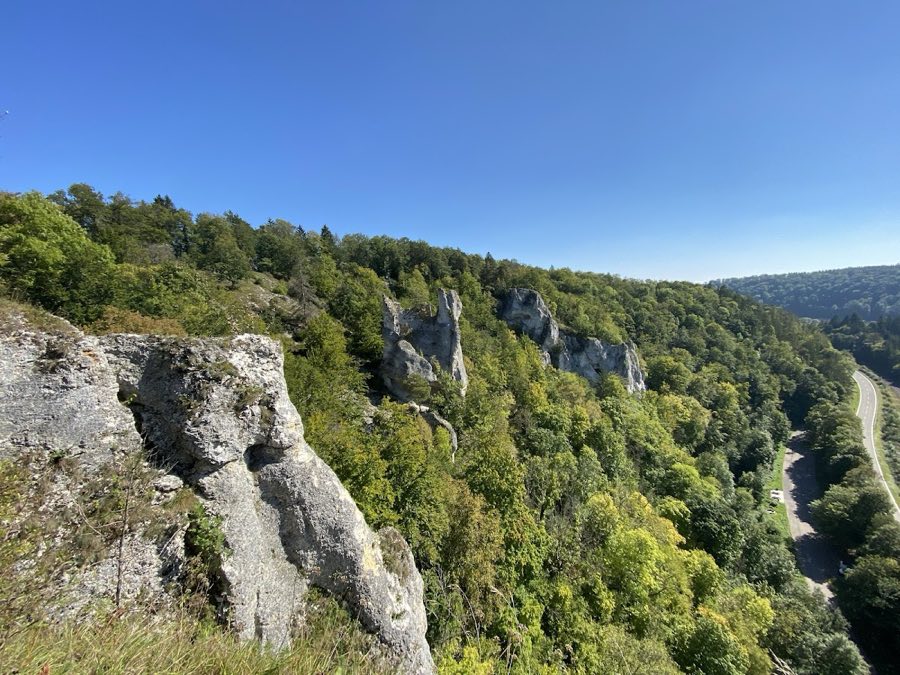
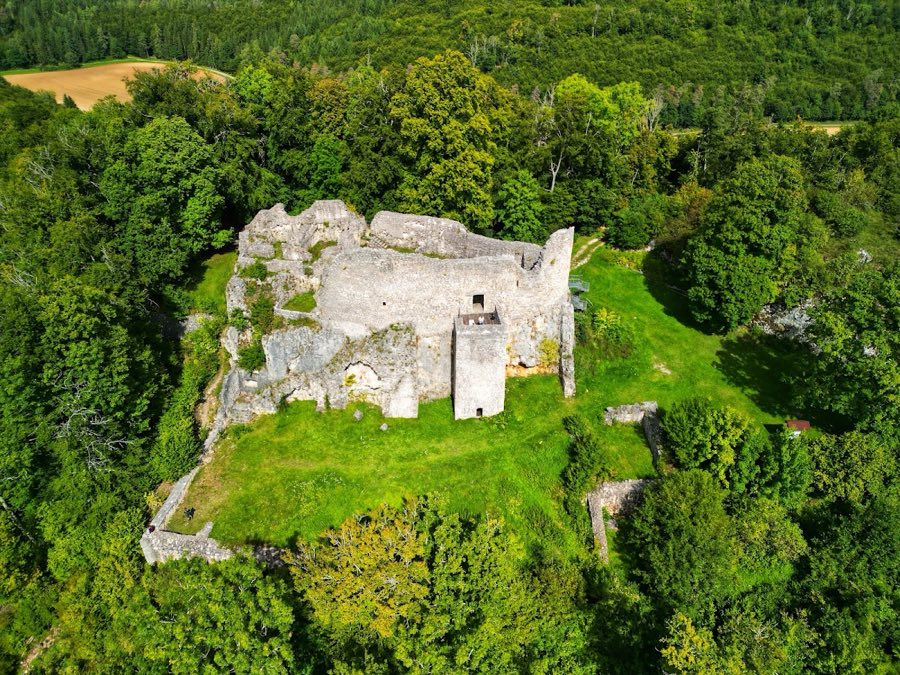
The plateau and its earthworks lie immediately above a steep descent to the Danube, and the site sits close to the prehistoric hilltop settlement of Heuneburg. The overall condition of the Baumburg is that of substantial earthwork preservation: the motte, its surrounding ditch complex, and the raised plateau remain as the principal archaeological remains. The local legend of a white lady has been attached to these visible ruins in later centuries.
No. 71303
No. 33348
No. 84387
No. 63759
Comments
Comments for Baumburg (Turmhügel Baumburg) will require a verified account before posting.
We'll send a verification link before your first comment is published.