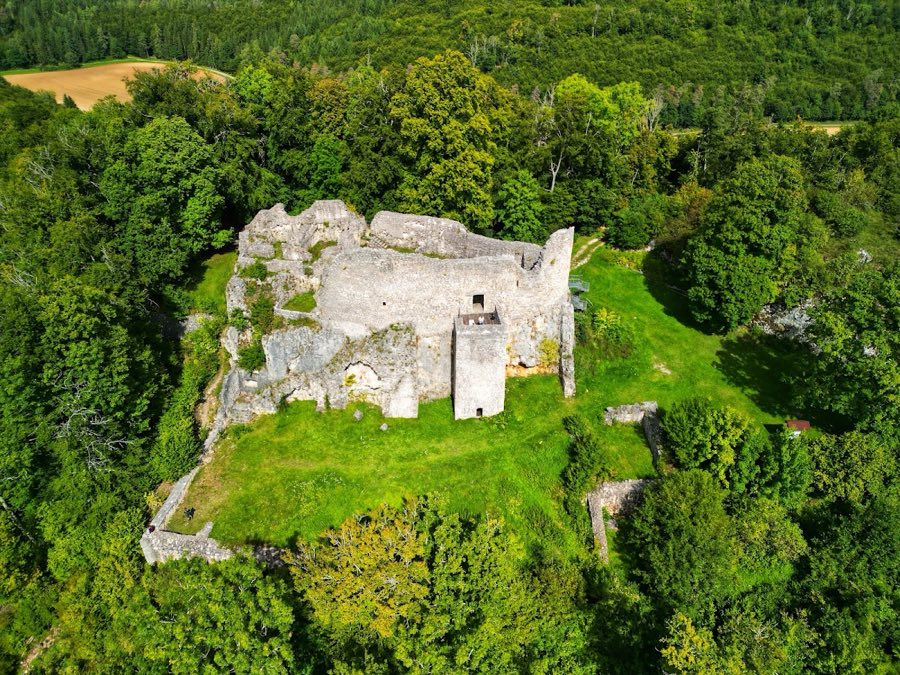
No. 84387
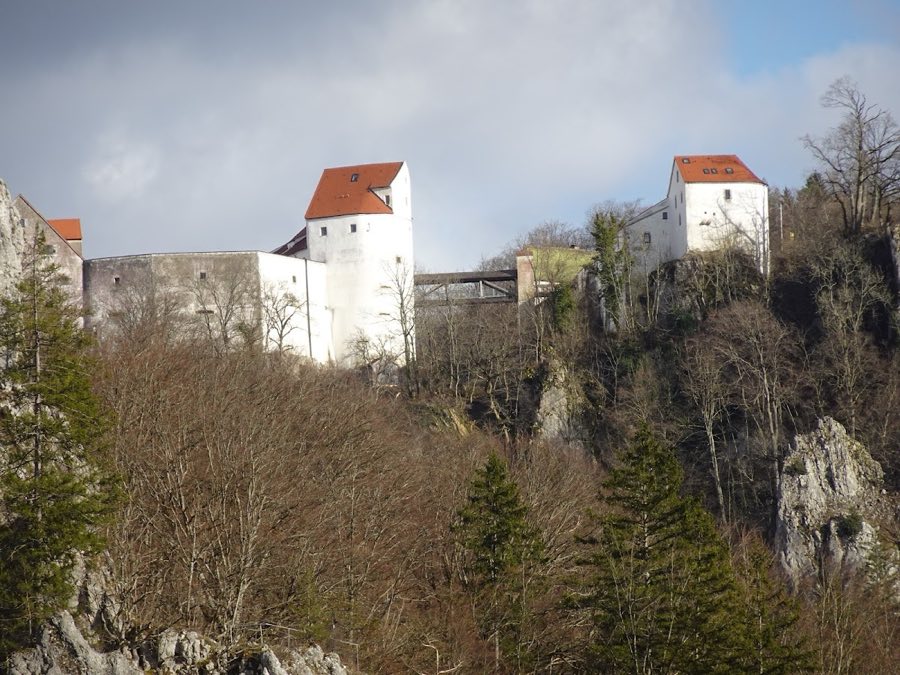
Burg Falkenstein
Germany
CastleRuin10th century
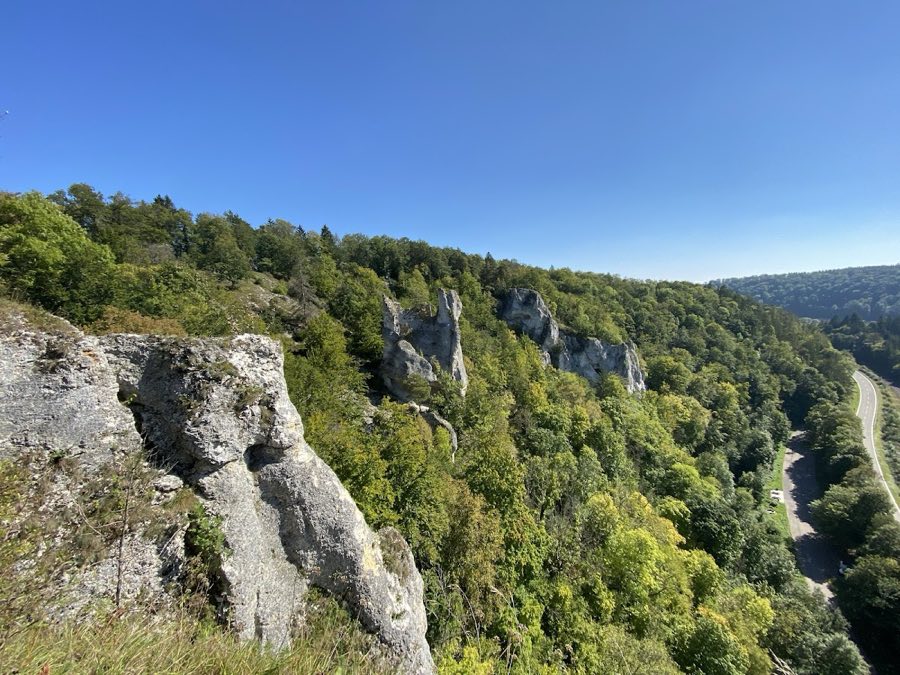
No. 33348
No. 33348 · 48.080 N, 9.157 E
Quick summary
Burg Neugutenstein is a castle in Germany with origins associated with the 14th century.
See all castles in GermanyBurg Neugutenstein is the ruin of a medieval hill castle near Gutenstein in Sigmaringen, Germany. It is generally assumed the site was raised by the local Gutenstein lineage at the beginning of the 14th century.
The first documentary appearance of the place dates to 1354, when it is recorded as a fief held under Duke Albert of Austria and in the possession of Burkhard von Reischach. At that time the location was also known as Niedergutenstein. In 1377 Duke Leopold III of Austria pledged the castle to Ulrich von Stüben. By 1410 the von Stüben family paid 1,500 florins to Stefan von Gundelfingen to obtain release of that pledged holding, and the property is described in the 1410 record as a ruined site, a burgstall.
In 1509 ownership passed to the Counts of Sonneberg. Around 1530 the ruined estate transferred by marriage to the imperial hereditary steward family of Waldburg at Scheer. In 1659 that family exchanged the Gundelfinger estate, together with the ruin then named Prochen Guettebstein, for the Faulbronner forest with the monastery at Laiz; the same deed uses the name Gebrochen Gutenstein for the ruined castle. Later the property belonged in succession to Gebhard Xaver, Eberhard Ernst and Josef Alois, each serving as hereditary stewards of Sigmaringen, and it passed in 1783 to Prince Karl Friedrich of Hohenzollern‑Sigmaringen.
A distinctive, presumed Gothic arch that formed either a window or a gate remained visible for decades from the road through the Danube valley. That arch was probably blown down in a storm in mid‑January 2008. A standing wall related to that structure measures roughly eight metres in height and about twelve metres in length.
The castle occupies a single, isolated rock needle at roughly 660 metres above sea level, set on the left edge of the valley. The layout links a compact main position on the rock with a service and economic courtyard on the slightly higher plateau beside it, reflecting a medieval arrangement in which living quarters sat atop the needle and support functions stood on the adjacent flat ground. The site is a rock‑needle form of rock castle, where the natural crag is an integral part of the plan and construction.
The principal surviving element on the rock is the residential tower, a medieval living structure associated with the castle’s original phase, generally dated to the early 14th century. Remaining masonry preserves parts of the tower’s western face and the northern corner, features recorded in photographs of the ruin. These fragments stand in situ on the rock needle and give the clearest sense of the castle’s elevated living quarter.
Below or beside the tower the complex included a lower castle or lower ward. The lower section functioned as the subordinate portion of the medieval stronghold and belonged to the same medieval occupation period. Structural traces in this area are fragmentary but indicate a two‑part defensive and domestic arrangement linking the summit tower with the outlying courtyard.
A cave at the site contains additional building remains that form part of the rock‑anchored complex. The cave holds structural fabric related to the castle’s construction and reuse phases; these remains are integrated with the natural rock and survive in place.
A presumed Gothic arch, identified as either a window or a gate, stood prominently until its likely collapse in January 2008; the associated wall that remained standing measured about eight metres high by twelve metres long. That arch had been visible from the valley road for many years before the storm event that probably brought it down.
No. 84387
No. 63759
No. 32643
No. 11693
Comments
Comments for Burg Neugutenstein will require a verified account before posting.
We'll send a verification link before your first comment is published.