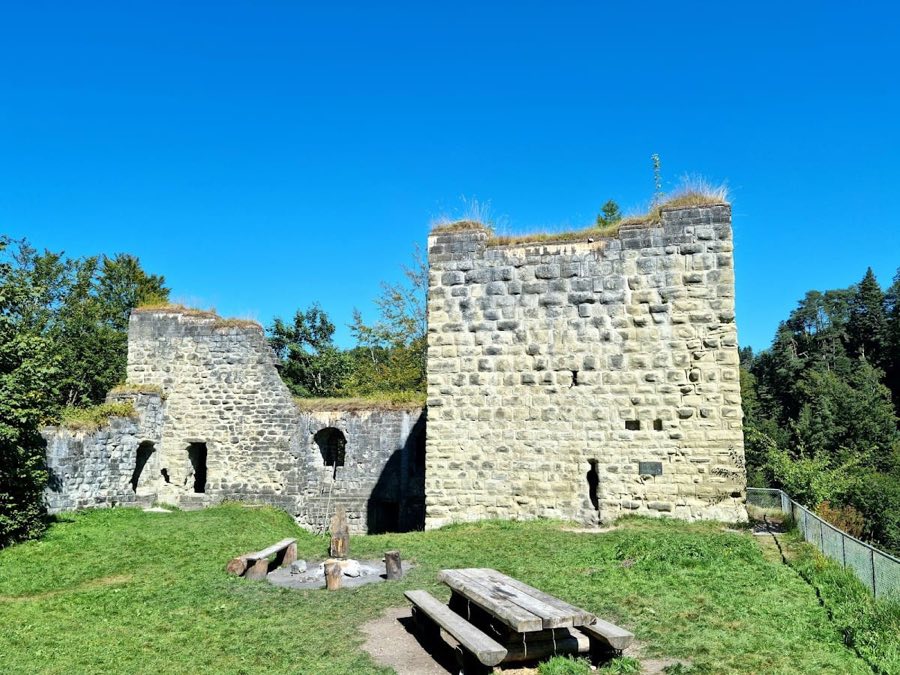
No. 15380
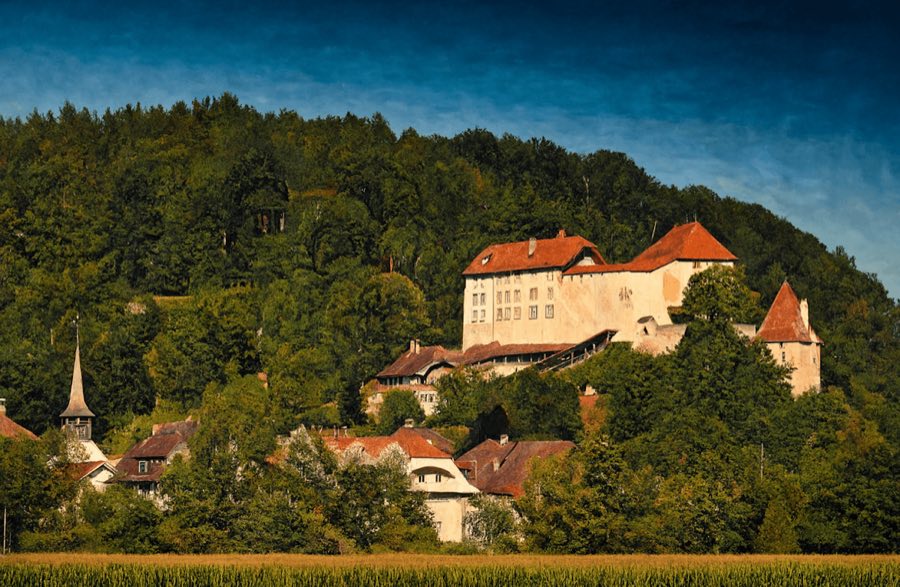
Grasburg Castle
Switzerland
CastleRuin13th century
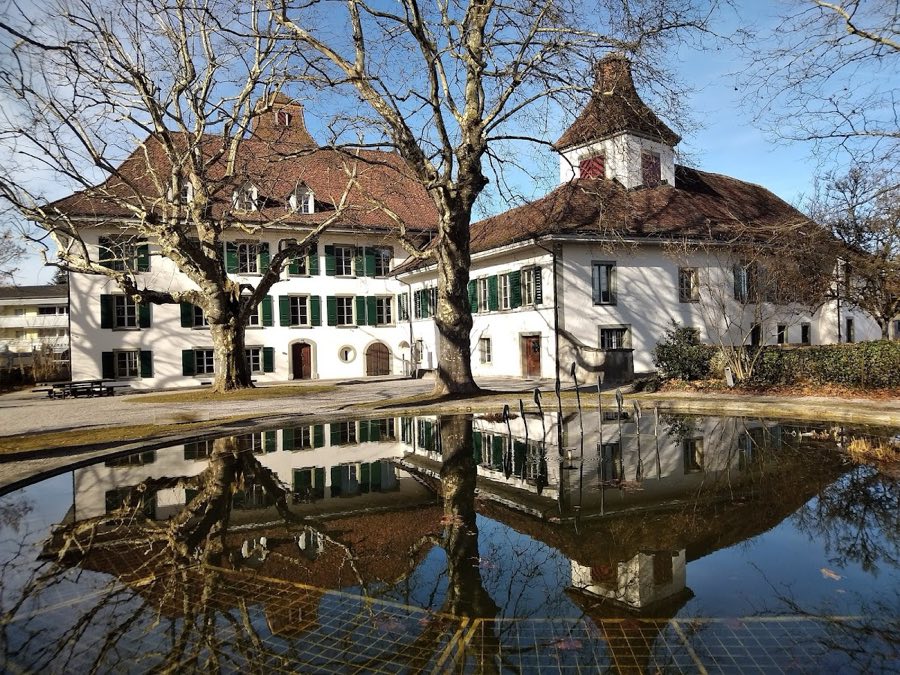
No. 36387
Castle · Switzerland
No. 36387 · 46.893 N, 7.502 E
For events
Belp Castle is marked as a château or castle venue lead. Capacity, indoor/outdoor spaces, catering rules, and accommodation options are published only after public verification.
Event types: Private events, Cultural gatherings, Filming and photography
Quick summary
Belp Castle is a castle in Switzerland with origins associated with the 16th century.
See all castles in SwitzerlandBelp Castle in the town of Belp, Switzerland, is a castle whose core dates to the 16th century and whose development took place within the Bernese political sphere. Its fabric shows both early modern building phases and a later Baroque enlargement, and the site served for centuries as the centre of a local lordship before becoming a district administrative centre in the modern period.
The story begins in the late 13th century, when Bernese forces in 1298 captured and sacked the Hohburg on the Belpberg, took control of the lordship of Belp, and compelled the local lord Ulrich von Belp to accept Bernese citizenship and to put up a new dwelling of wood. That timber residence survived until it was taken down in 1783. In 1383 the lordship passed into the hands of Petermann von Wabern, who was based in Bern, and from the 15th into the 17th century ownership was shared at times by the Gruber, vom Stein, von Scharnachthal, von Luternau and Moratel families.
By the early 1500s a stone house stood beside the Gürben stream within an orchard, and the property underwent major transformation in the mid 16th century and again in the 1630s and 1640s. Those campaigns, carried out in 1554 and in 1631–1636 with further work in 1644, added towers and linked buildings so that the original lordly residence acquired the appearance and functions of a castle. In the first half of the 17th century Johann Rudolf Stürler (1597–1665) became sole baron of Belp. In 1720 Karl Emanuel von Wattenwyl bought the barony and castle from Hans Georg von Muralt, and later in the 18th century a late Baroque enlargement united two medieval houses and introduced a developed covered columned walkway, a strong visual centre for the ensemble.
Lordship rights lapsed in 1798, and in 1810 Salomon Albert Karl von Wattenwyl sold the castle and the associated lordship to the Canton of Bern. The canton established the building as the administrative office for the newly created Seftigen district, and the castle served in that administrative and judicial role until 31 December 2009, housing the government representative’s office, the courts of Judicial District IX Schwarzenburg‑Seftigen, a branch of the district land registry, and the debt enforcement and bankruptcy office. The municipality of Belp purchased the property in June 2012. In summer 2014 the regional music school moved into partly renovated spaces for its administration and rehearsal and concert rooms, the former courtroom began to be used for representative events, and the culture commission together with the local museum began to use rooms for annual special exhibitions. In spring 2019 a public telephone booth in the castle garden was converted into a book‑exchange operated by the municipal library. The main building is listed in the cantonal building inventory as the principal element of the monument known as the Old Castle.
The castle complex sits beside the Gürben stream and was originally set in an orchard, forming a clustered ensemble of attached buildings and towers that record several construction phases. The oldest surviving core is a stone house built in the early 16th century; this masonry residence established the more permanent character of the site after the earlier timber dwelling mandated by Bernese authorities. The stone construction provided the basic mass of the main building and remains a visible part of the present compound.
Significant additions were inserted in 1554 and again across 1631–1636 with further work in 1644. Those campaigns created projecting towers and connected ranges that changed the house into a castle complex, producing the attached additions and towered silhouette that characterise the site today. The late Baroque enlargement linked two older lordly buildings and created a developed peristyle (covered columned walkway), which now forms the ensemble’s central organizing element and gives access between the principal rooms.
Interior fittings contain notable late-period elements that point to luxurious appointments ordered by private owners; these conspicuous interior parts survive within the building and reflect the tastes of its later patrons. Construction materials recorded on the site include the early 16th-century stone fabric and the earlier permitted timber building that stood until 1783. The complex has been partly restored and adapted for new uses: parts of the castle are renovated for the regional music school and administrative functions, the former courtroom is used for representative events, and other rooms host annual museum exhibitions. The castle’s main building remains conserved as the core element of the protected Old Castle monument.
No. 15380
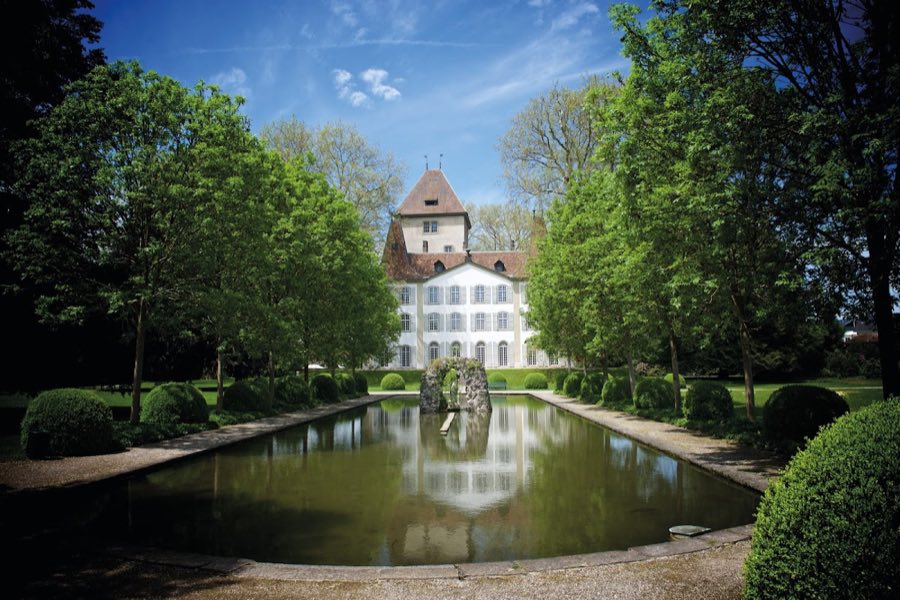
No. 82186
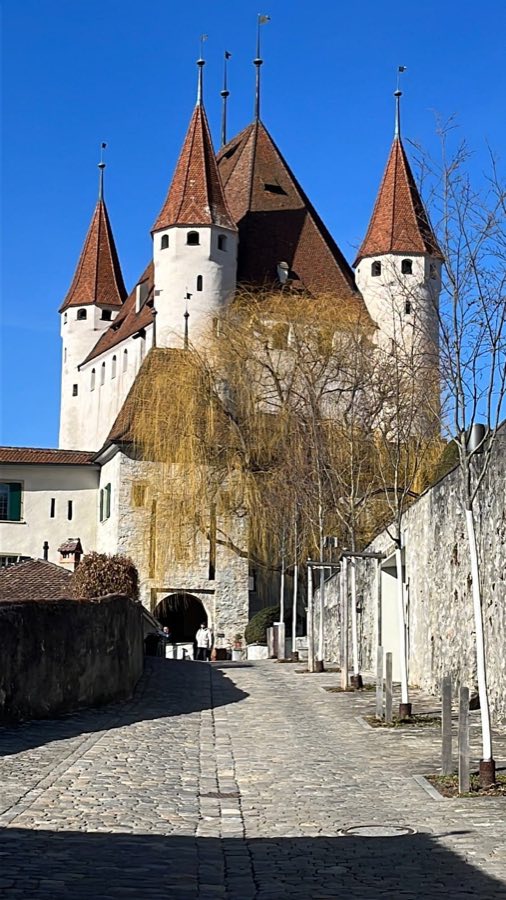
No. 30296
No. 86946
Comments
Comments for Belp Castle will require a verified account before posting.
We'll send a verification link before your first comment is published.