No. 64296
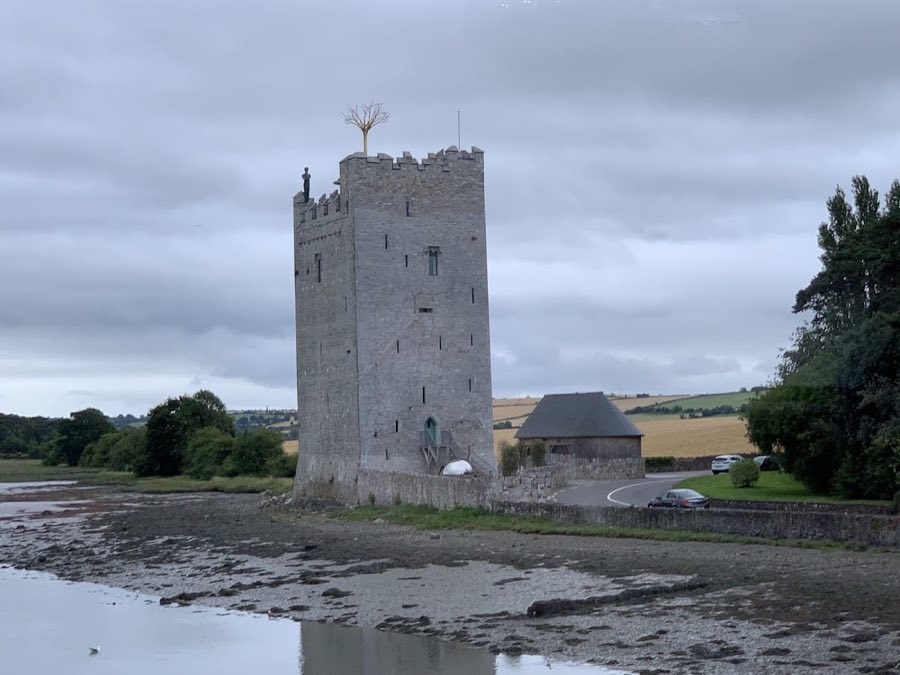
Dundanion Castle
Ireland
Tower houseRuin16th century
No. 10743
Castle · Ireland
No. 10743 · 51.929 N, 8.571 W
Quick summary
Blarney Castle is a castle in Ireland with origins associated with the 10th century.
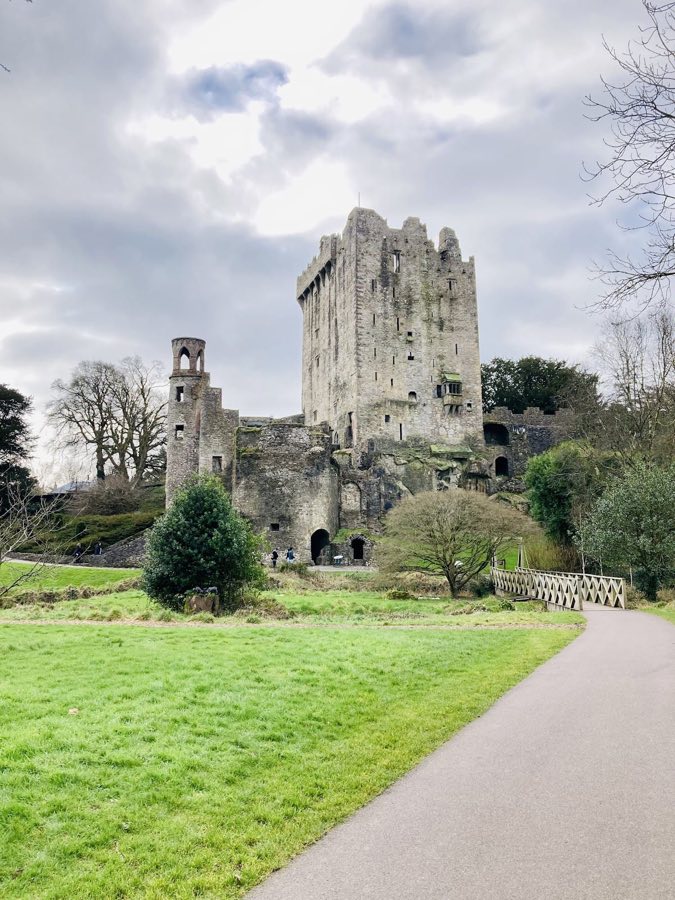
See all castles in IrelandBlarney Castle is situated in Blarney, County Cork, Ireland, near the Martin River. The site first hosted a wooden fortification in the 10th century, marking the earliest known defensive structure in the area. Around 1210, this wooden fort was replaced by a stone fortification, which was later destroyed before the mid-15th century.
In 1446, Cormac Láidir MacCarthy, Lord of Muskerry and a member of a cadet branch of the Kings of Desmond, constructed the current stone keep on the site of the earlier fortifications. An inscription on the castle’s machicolation (a projecting parapet with openings for dropping objects on attackers) records his name and the date of construction. The castle became a stronghold for the MacCarthy family and played a significant role in regional power struggles.
During the Irish Confederate Wars in 1646, Blarney Castle was besieged and suffered heavy artillery damage. It was captured by Parliamentarian forces led by Lord Broghill. After the monarchy was restored, the castle was returned to Donough MacCarty, 1st Earl of Clancarty. Later, in the 1690s during the Williamite War, the 4th Earl of Clancarty, also named Donough MacCarty, was captured, and the castle along with its lands was confiscated by Williamite forces.
In the early 18th century, ownership of the castle changed hands several times. Sir Richard Pyne, Lord Chief Justice of Ireland, briefly held the property before it was purchased by Sir James Jeffreys, governor of Cork City. The Jefferyes family built a large house near the castle, which was destroyed by fire and replaced in 1874 by Blarney House, a Scottish baronial style mansion designed by architect John Lanyon.
In the mid-19th century, the Jefferyes and Colthurst families united through marriage, and the Colthurst family remains the current owners of the estate. In 2008, Sir Charles St John Colthurst, Baronet, took legal action to evict a long-term resident from the property.
Blarney Castle is famously linked to the “Blarney Stone,” a stone set into the castle’s machicolations. According to tradition, kissing the stone grants the gift of eloquence. The term “blarney” in Irish culture, meaning flattering or deceptive talk, originates from the castle’s history of diplomatic delay tactics during Queen Elizabeth I’s attempts to acquire it.
The surviving structure of Blarney Castle is a 15th-century stone keep built in 1446. It features thick stone walls typical of medieval defensive architecture. The castle is partially ruined but retains several accessible rooms and sections for exploration.
A notable feature is the machicolation at the top of the castle, where the Blarney Stone is set. This projecting parapet includes an inscription naming Cormac MacCarthy and the year 1446. Visitors historically perform a ritual of leaning backward to kiss the stone, believed to bestow eloquence.
The castle is surrounded by extensive gardens that include natural rock formations with names such as the Druid’s Circle, Witch’s Cave, and Wishing Steps. These features add to the cultural landscape of the estate.
Within the grounds lies a “Poison Garden,” which contains a variety of poisonous plants from around the world. Among these are wolfsbane, mandrake, castor oil plant, opium poppy, and cannabis, highlighting the botanical diversity and historical interest in toxic flora.
Close to the castle stands Blarney House, a 19th-century mansion built in 1874 in the Scottish baronial style. Designed by John Lanyon, it overlooks a nearby lake and replaced an earlier house destroyed by fire.
Blarney Castle is connected to a network of underground tunnels known as the “badger caves.” These tunnels served as escape routes during sieges. Despite heavy artillery damage to the castle walls during the 1641 siege, the structure remained intact enough to allow defenders to flee through these tunnels.
No. 64296
No. 15304
No. 44697
No. 76470
Comments
Comments for Blarney Castle will require a verified account before posting.
We'll send a verification link before your first comment is published.