No. 36657
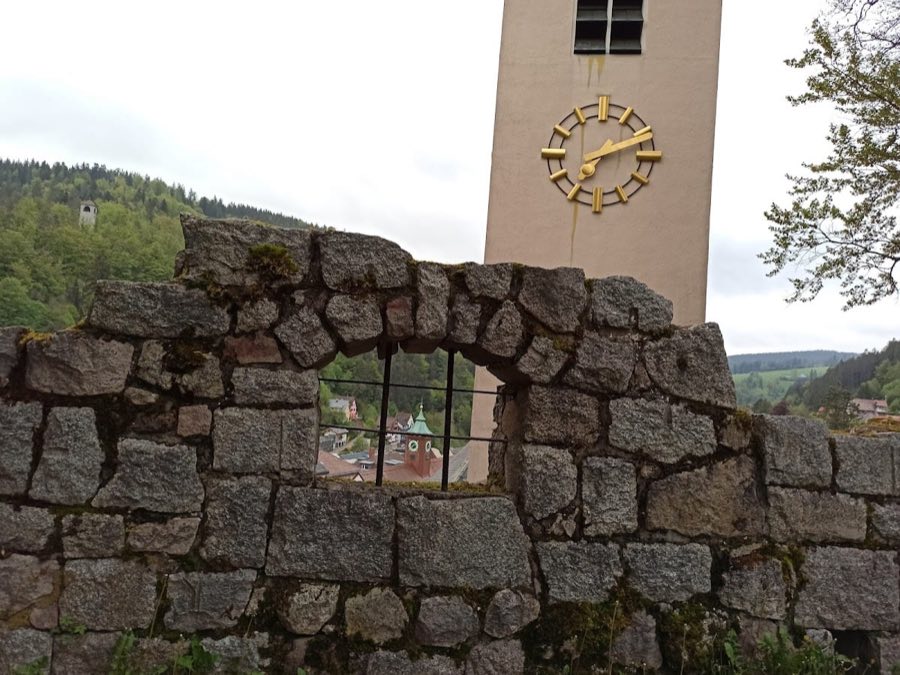
Burg Triberg
Germany
CastleRuin13th century
No. 82826
No. 82826 · 48.179 N, 8.240 E
Quick summary
Burg Althornberg is a castle in Germany with origins associated with the 11th century.
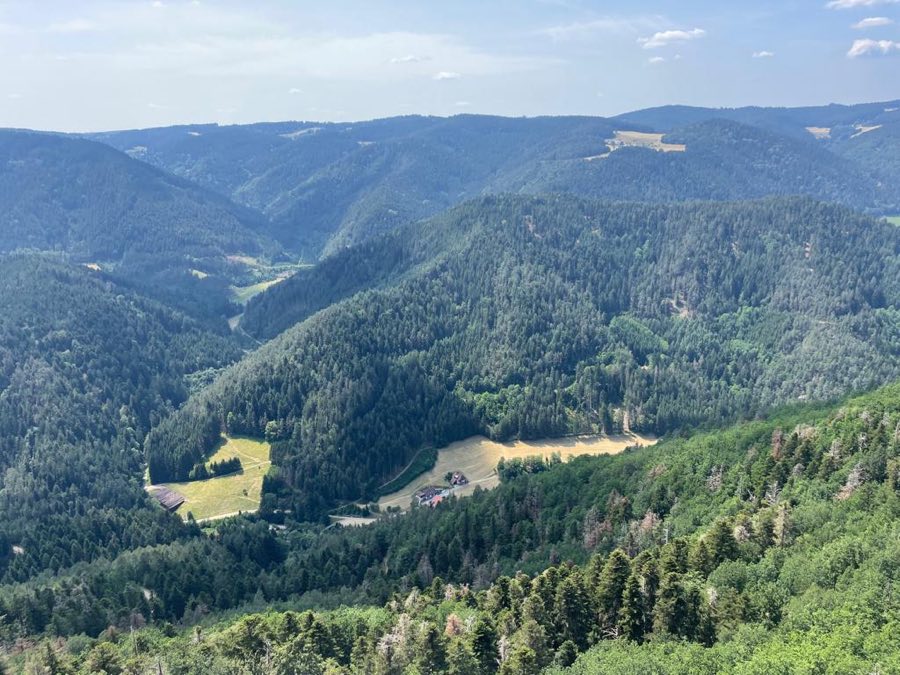
See all castles in GermanyBurg Althornberg stands above the Gutach River in the municipality of Triberg im Schwarzwald, Germany, and was built by medieval German nobility under Adalbert von Ellerbach.
The stronghold was erected around 1100, and from 1111 Adalbert von Ellerbach took the title Freiherr von Hornberg, a name that links the site to its early lord. During the Middle Ages the castle belonged in turn to the local noble lines recorded as the Hornberg lords and the Triberg family, before passing to the Counts of Hohenberg and later to the Habsburgs.
Between 1430 and 1440 the castle suffered a destructive fire. In the seventeenth century, during the Thirty Years’ War, Swedish troops occupied the position; after that occupation the site was again set on fire. Over the centuries the castle ceased to function as a inhabited fortress and survived only in fragmentary form.
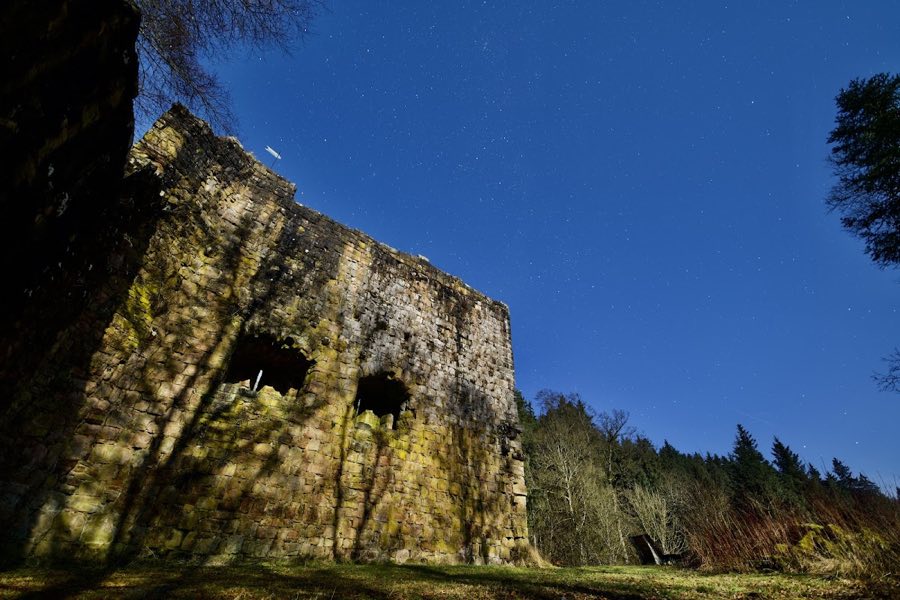
Burg Althornberg sits as a hilltop castle at 786 metres above sea level on a steep promontory overlooking the Gutach River and facing the Niederwasser district. The surviving elements reflect the castle’s medieval character and its adaptation to the rocky spur on which it stood.
Archaeologists have recorded beam supports that mark where timber floors and internal structures were once carried. These beam sockets belong to the castle’s medieval construction phase around 1100 and are preserved as cuttings and support points in the masonry and bedrock; they survive in situ and show where horizontal wooden members were fixed into the structure.
A cistern at the site is identified as the water storage feature for the castle, associated with the medieval occupation. The cistern was constructed to collect and hold water for use within the hilltop complex and remains archaeologically visible in its original position, though only as a fragmentary structure.
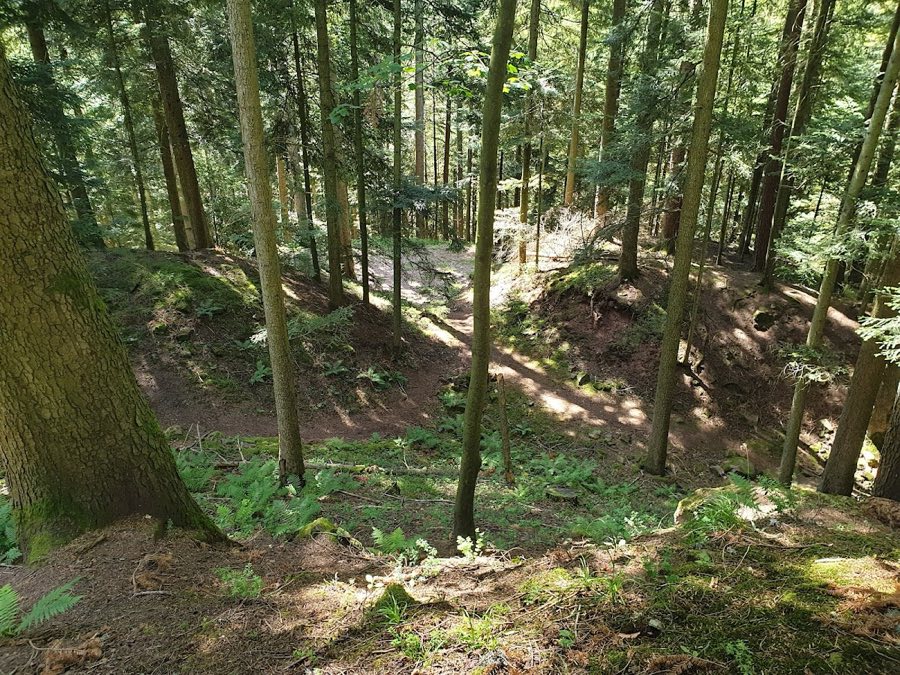
A chamber carved directly into the rock is also present, a rock-cut room formed by working the bedrock of the promontory. This carved space is an in situ element of the medieval layout and survives as a clear example of how the castle made use of the natural stone for internal rooms and service spaces.
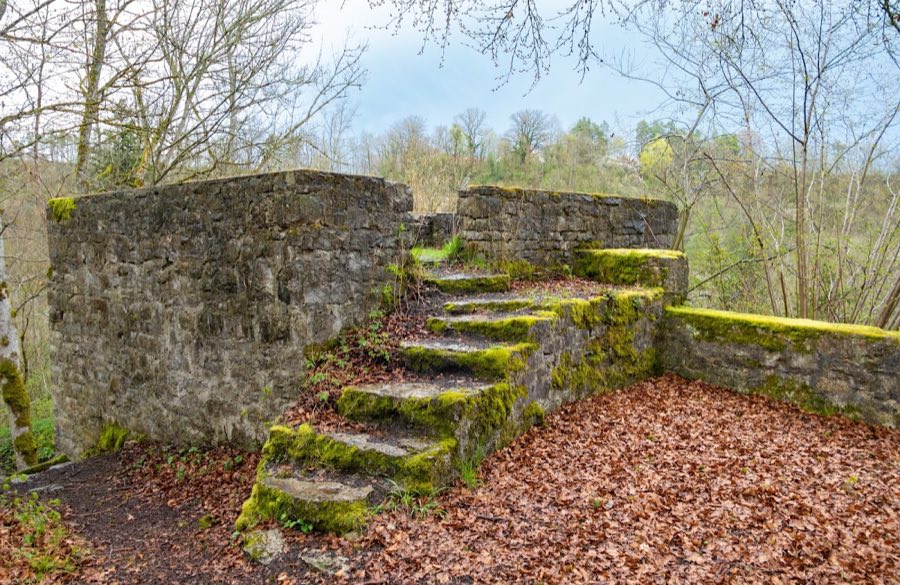
The site is described as a ruined castle with only these listed features preserved, and the beam supports, cistern, and rock-cut chamber constitute the principal visible remains today.
No. 36657
No. 12693
No. 79170
No. 15876
Comments
Comments for Burg Althornberg will require a verified account before posting.
We'll send a verification link before your first comment is published.