No. 20367
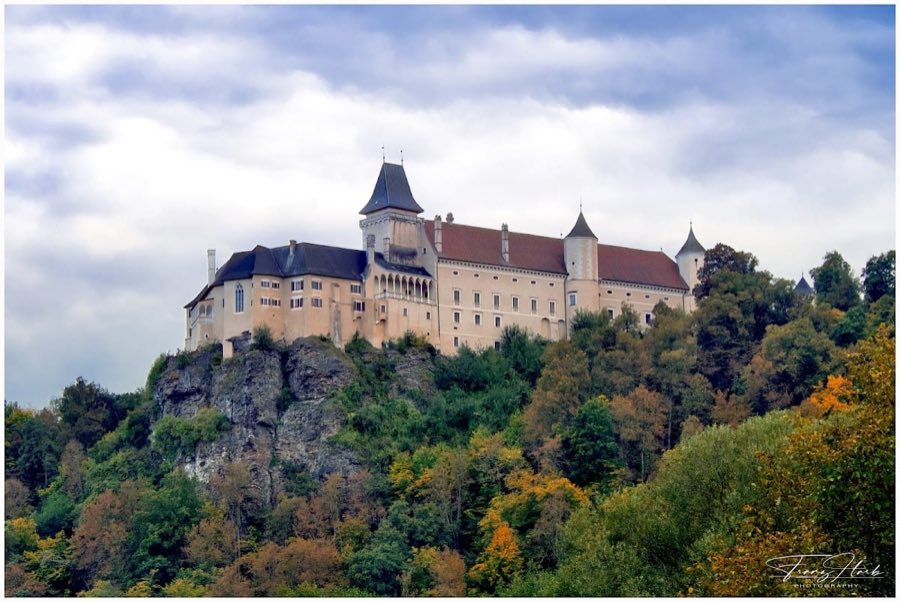
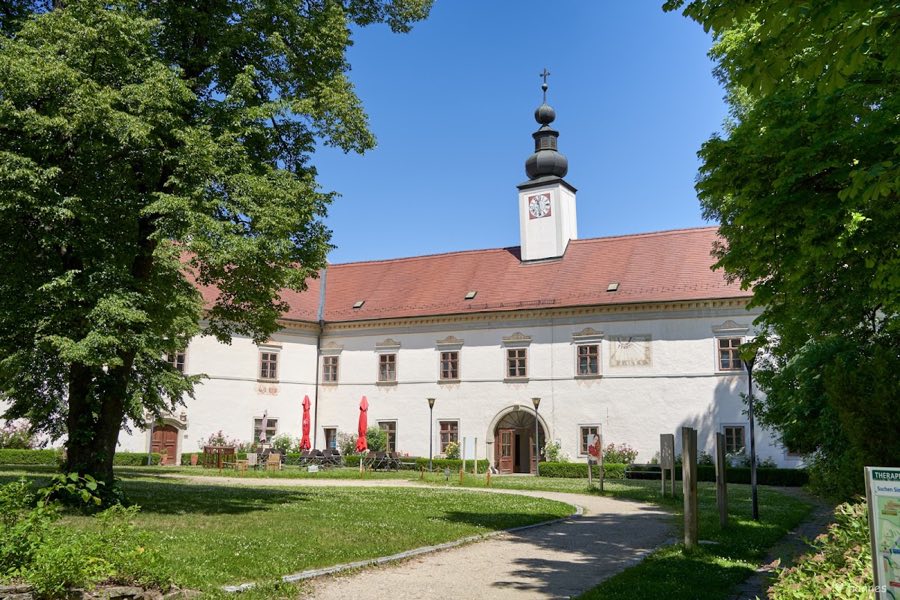
Schloss Rosenburg
Austria
CastleRestored12th century
No. 68930
Castle · Austria
No. 68930 · 48.633 N, 15.783 E
Quick summary
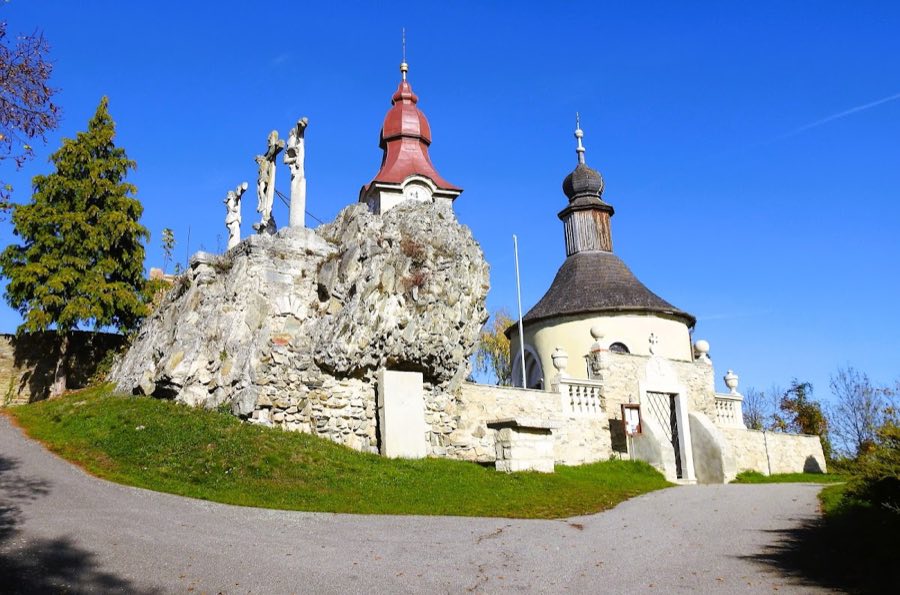
Burg Kühnring is a castle in Austria with origins associated with the 11th century.
See all castles in AustriaBurg Kühnring stands in the Marktgemeinde Burgschleinitz-Kühnring in northeastern Austria and was established by members of the Kuenring noble family. The earliest recorded activity on the site dates to the late 11th century, when Azzo von Gobatsburg founded a chapel that Bishop Altmann of Passau consecrated; that chapel later served as the castle’s private place of worship. In the first half of the 12th century Hadmar I built the family’s ancestral stronghold on the ground now occupied by the parish church.
By the 13th century the property appears in records under Eufemia von Kuenring-Pottendorf, showing continued ownership by the Kuenring lineage. Around 1460 Georg von Kuenring, who held the office of Landmarschall, opposed forces led by Gamareth Fronauer during a rebellion against Emperor Friedrich III. In the later 1460s the neglected castle became a refuge for armed men; Johann Götzesdorfer, a follower of Fronauer, wintered there and, together with roughly a thousand former mercenaries, plundered the surrounding countryside. Wolfgang Kadawer, the local administrator of Eggenburg, expelled Götzesdorfer and carried out the fortification’s destruction. In 1463 Emperor Friedrich authorized Kadawer to hold and use the village of Kühnring, and contemporary documents describe the castle as destroyed and desolate.
After the ruin the former chapel entered continuous parish use and was altered on several occasions. A substantial renovation in 1660 gave the church its present external appearance, reflecting the building’s transition from a private chapel to the community’s parish church.
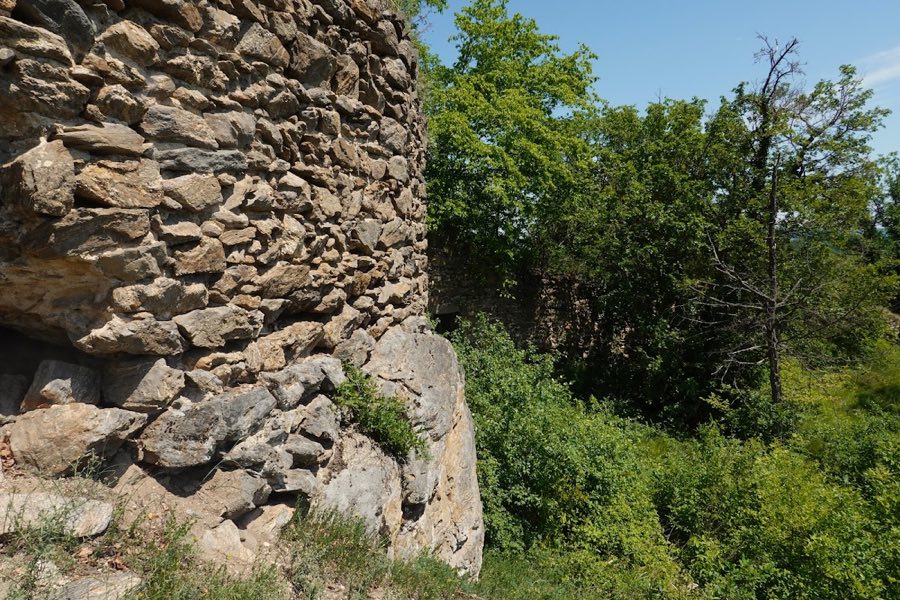
The castle occupied the ground now taken by Kühnring’s parish church; surviving traces reflect both its medieval construction and a violent end. A small number of large masonry fragments remain: thick stone wall sections from the first half of the 12th century that once formed part of the defensive enclosure. These blocks indicate the mass and scale of the original walls and today lie scattered near the churchyard, rotated and displaced from their original positions. Archaeological observation notes that several-meter-thick wall segments were thrown aside and turned roughly ninety degrees during the event that destroyed the stronghold.
A portion of the former defensive ditch survives in the landscape as an identifiable hollow, representing the outer earthworks and the castle’s original approach. The chapel founded by Azzo von Gobatsburg, which later served the castle, was converted to a parish church and underwent repeated rebuilding; the major renovation of 1660 established the church’s current appearance, so the former chapel survives through continuous ecclesiastical reuse while the rest of the castle remained in ruin.
Observers have suggested a demolition method to explain how the walls collapsed: drills cut into the masonry to receive wooden beams, which were then exposed to water so the swelling or rotting of the timber caused the masonry to fail. This reconstruction of the technique helps account for how massive stone sections became displaced while the adjacent chapel remained standing.
No. 20367
No. 14446
No. 87880
No. 55179
Comments
Comments for Burg Kühnring will require a verified account before posting.
We'll send a verification link before your first comment is published.