No. 93638
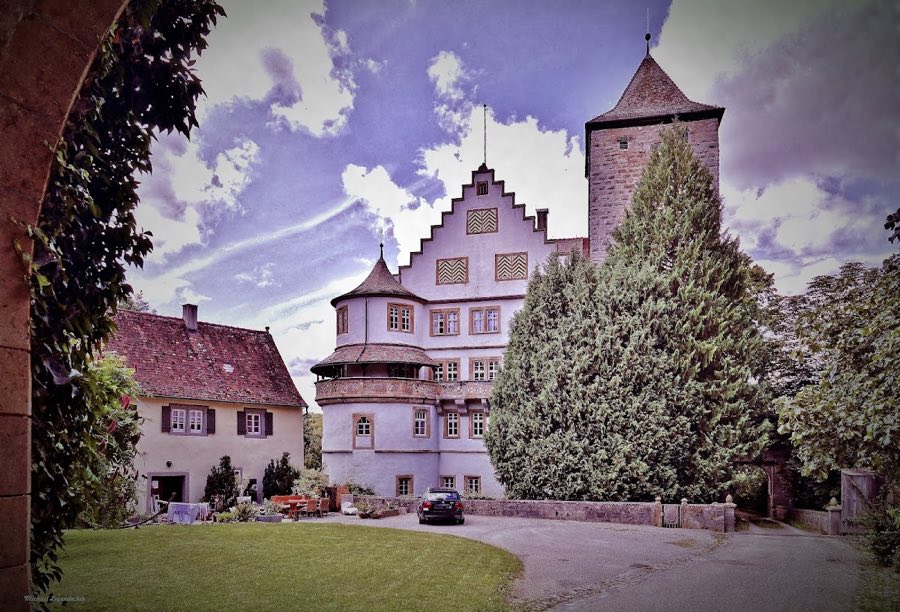
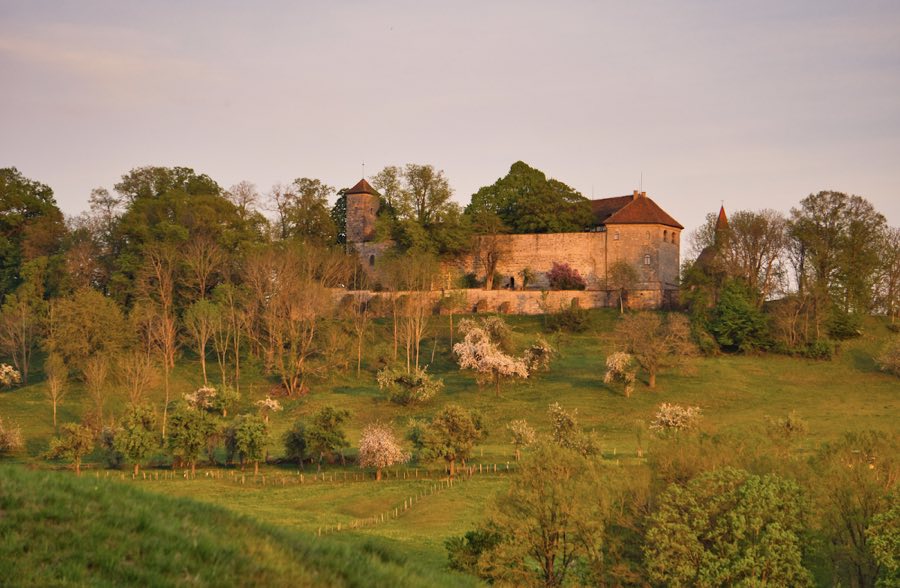
Morstein Castle
Germany
CastleRestored13th century
No. 74654
Castle · Germany
No. 74654 · 49.208 N, 9.916 E
Quick summary
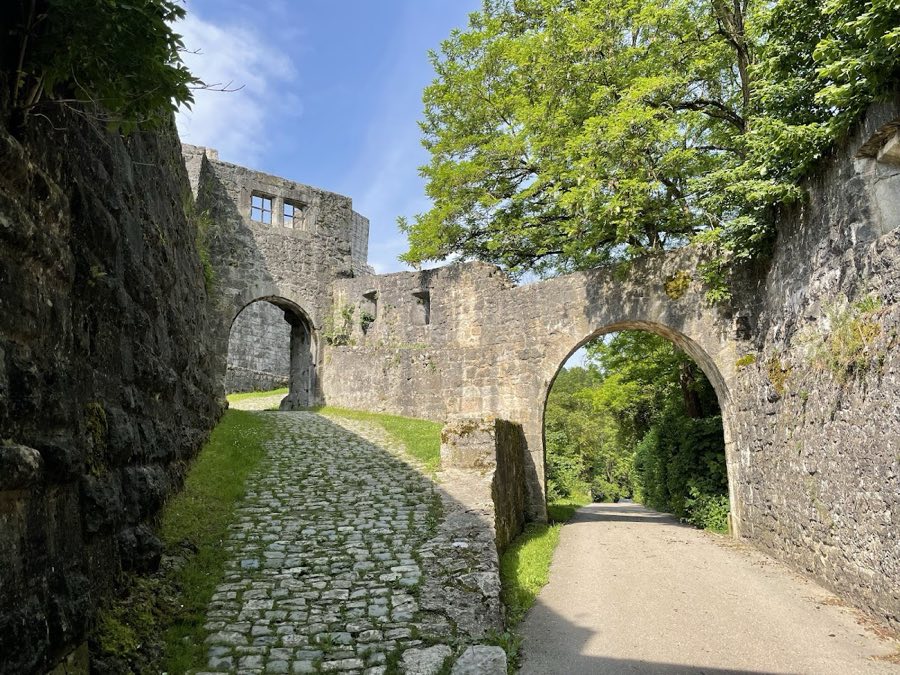
Burg Leofels is a castle in Germany with origins associated with the 13th century.
See all castles in GermanyBurg Leofels stands in Ilshofen, Germany, and was erected during the Staufer period by builders operating under the authority of the Holy Roman Empire. The site is first recorded in a written source in 1208. The castle’s name later appears in an early fourteenth-century form, Lewenfels, a name that derives from the Latin word for lion.
Construction of the main medieval stronghold took place in the time of Emperor Friedrich II, around 1240 to 1250. The defensive works and layout are characteristic of that era, and the castle has been regarded in historical interpretation as having served as an imperial castle, a Reichsburg.
In 1333 the Bishop of Würzburg sold the property to Ulrich III of Württemberg. Beginning in 1399 Haug von Vellberg resided at the castle and in 1409 he held it as a fief from Württemberg. Control passed further into the Vellberg family when, in 1468, the estate came entirely into the hands of the Herren von Vellberg.
After Konz von Vellberg died without heirs the possession reverted to Württemberg in 1592, and the castle was probably no longer occupied after that date. The main tower, the medieval keep, was taken down during the eighteenth century. Lightning struck the site in 1707. In the nineteenth century roof tiles and other reusable building materials were sold off, and the loss of a protecting roof accelerated the ruinous process.
The municipality of Ilshofen acquired the site in 1976. From 1979 until 2000 a multi-day folk festival took place almost every year in and around the ruin, organized by the Verein Festival Leofels e. V. The ruin has continued to host summer theatre productions and concerts. A comprehensive renovation of the ruin was carried out between 2013 and 2016, during which performances were relocated; the restoration was estimated to have cost about one million euros.
Burg Leofels occupies the northwestern tip of a rock spur above the Jagst valley at about 405 metres above sea level. The castle site is bordered to the southwest by the Leofelser Bach and to the east by a southern arm of the Jagst. A small hamlet fills the remainder of the same spur as it rises toward the plain to the south.
The principal surviving element is the shield wall, a protective curtain facing that dates to roughly 1230. This wall was built from bossed ashlars, squared stone blocks whose faces were cut to leave a raised central boss. The technique and stonework reflect the castle’s early thirteenth-century masonry practice, and the wall remains in a good state of preservation.
A medieval main tower, the keep, formed part of the original stronghold. That tower survived into the early modern period but was dismantled in the eighteenth century. During the nineteenth century parts of the roof coverings and other materials were removed and sold, which led to rapid deterioration of the buildings. The ruin was comprehensively renovated between 2013 and 2016, a conservation effort that stabilized and repaired the historic masonry while retaining the site’s character as a ruined castle.
No. 93638
No. 69258
No. 75826
No. 44794
Comments
Comments for Burg Leofels will require a verified account before posting.
We'll send a verification link before your first comment is published.