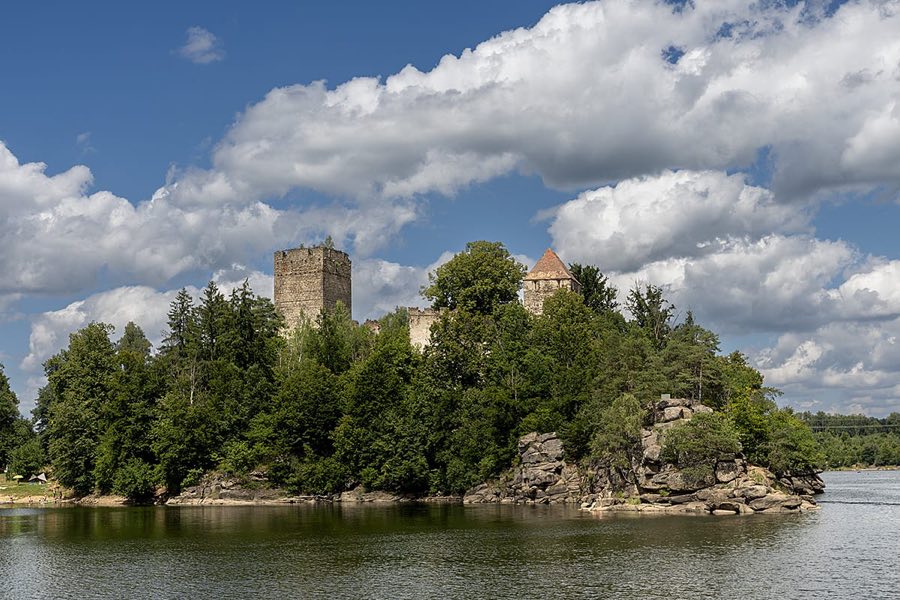
No. 46768
Ruine Lichtenfels
Austria
CastleRuin12th century
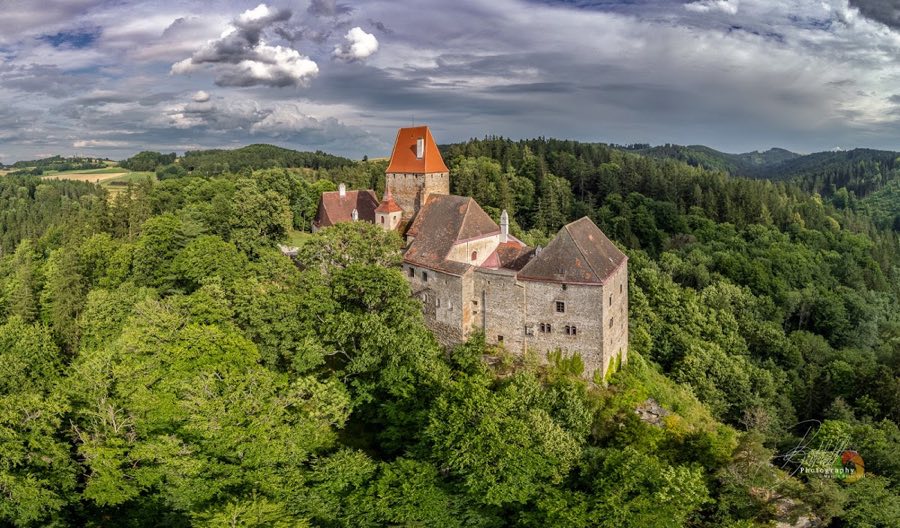
No. 47019
Castle · Austria
No. 47019 · 48.558 N, 15.324 E
For events
Burg Rastenberg is marked as a château or castle venue lead. Capacity, indoor/outdoor spaces, catering rules, and accommodation options are published only after public verification.
Event types: Private events, Cultural gatherings, Filming and photography
Quick summary
Burg Rastenberg is a castle in Austria with origins associated with the 13th century.
See all castles in AustriaBurg Rastenberg is a medieval castle situated in the municipality of Rastenberg, Austria. It was constructed during the late 12th and early 13th centuries by the Germanic peoples inhabiting this region, serving as part of a strategic defensive system along the Kamps River.
The earliest phase of Burg Rastenberg’s history begins between 1193 and 1205, based on tree-ring dating techniques. In this period, it was established as a stronghold linked to the Rastenberg family, who were a branch of the Rauhenecker lineage originally based at Rauheneck Castle near Baden. The Rastenberg family held the castle until the death of the last known family member, Otto, in the final years of the 13th century.
Following this initial line, the lordship of the castle changed hands in 1363 when it became part of the possessions of Duke Rudolf IV of Austria. From that time, the castle was managed by appointed stewards or occasionally granted out as security for pledges. The early 15th century brought turmoil as the castle sustained serious damage during the Hussite Wars, a series of religious and political conflicts in Central Europe.
By 1432, control of Burg Rastenberg had passed to the Neideck family who undertook renovations and strengthened the fortifications. After the Neidecks became extinct, ownership moved to Michael Zeller, a Protestant nobleman. Under Zeller’s care, the castle served as a refuge for Protestant nobles and their followers during a time of religious tension.
The castle’s military history continued into the 17th century during the Thirty Years’ War, when it was plundered twice: first in 1620 by imperial forces under General Bucquoy and later in 1645 during an incursion by Swedish soldiers. The damage and upheaval of these events marked significant moments in the castle’s history.
In the decades that followed, ownership transferred through several noble families: from the Lamberg family in 1663, to the Bartenstein family in 1754, and finally to the Thurn-Valsassina family in 1879. The latter family maintained possession into the early 21st century. Today, Burg Rastenberg is officially recognized as a protected historic monument, valued particularly for its Romanesque architectural heritage within Lower Austria.
Burg Rastenberg occupies a narrow, elongated site roughly 19 meters wide and 54 meters long, positioned on the eastern end of a rocky granite spur that overlooks the Purzelkamp valley. Its design reflects a strategic placement common in medieval fortifications, combining natural topography with constructed defenses. The castle’s layout runs along an east-west axis and consists of a forecourt followed by two smaller inner courtyards, indicating a well-organized arrangement of spaces suited both for defense and daily medieval life.
The most prominent architectural feature at the site is its pentagonal bergfried, or keep, which stands 27 meters tall. This tower, built in the Romanesque style, has remained largely untouched by destruction or major remodeling over the centuries. Its survival in nearly original form offers valuable insight into medieval military architecture and construction methods. Built from locally sourced granite rock, the bergfried exemplifies the castle’s use of durable regional materials and craftsman techniques.
Although the castle underwent various modifications throughout its history, these changes have preserved rather than overshadowed its medieval character. The granite walls reflect the rugged environment of the rocky spur and demonstrate consistent construction with minimal later alteration. The castle’s overall medieval appearance persists, maintaining its historic atmosphere and architectural integrity.
Together, the forecourt, courtyards, and fortified tower form a cohesive structure that reveals both the defensive needs and residential functions of a high medieval stronghold. The surviving elements allow visitors and scholars alike to appreciate Burg Rastenberg as an important example of Romanesque castle building in Austria without significant interruptions or loss of original fabric.
No. 46768
No. 82563
No. 52199
No. 44743
Comments
Comments for Burg Rastenberg will require a verified account before posting.
We'll send a verification link before your first comment is published.