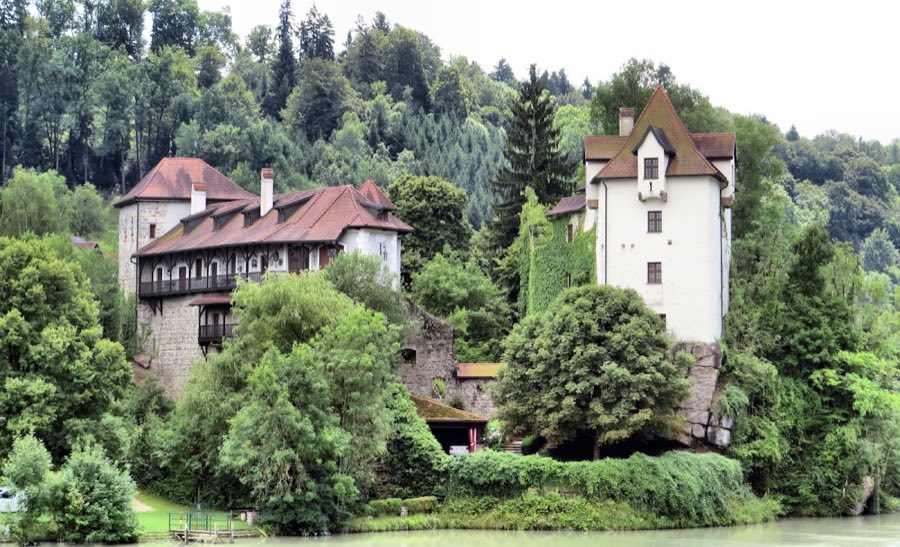
No. 47473
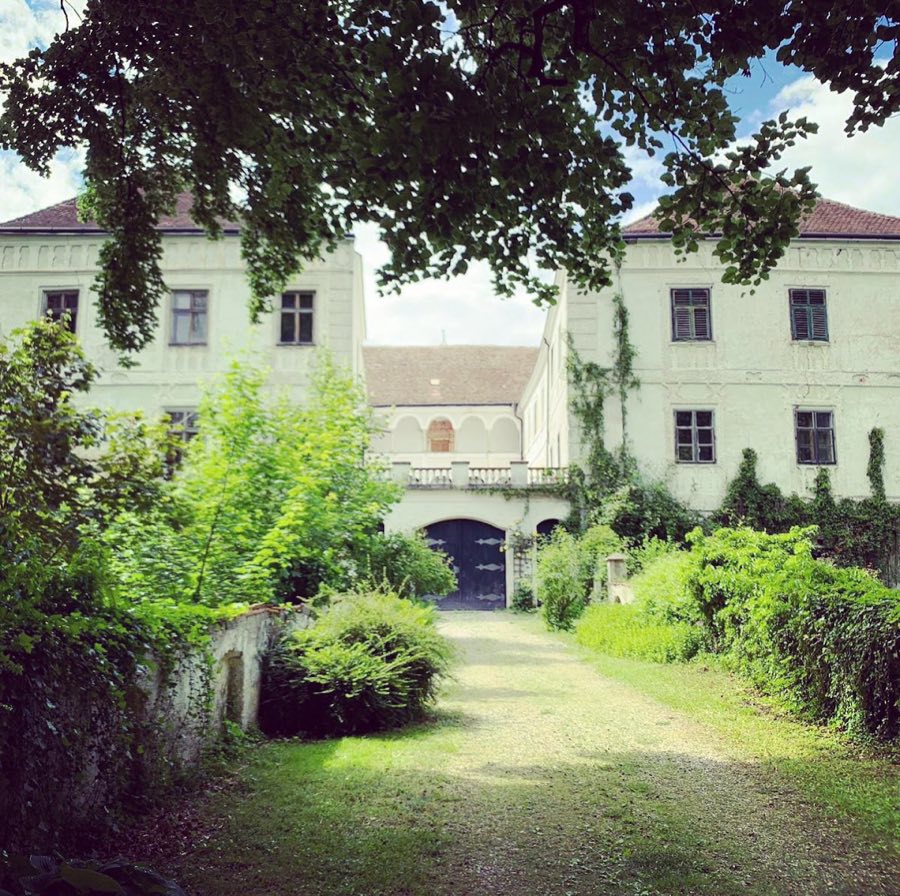
Burg Wernstein
Austria
CastleRestored12th century
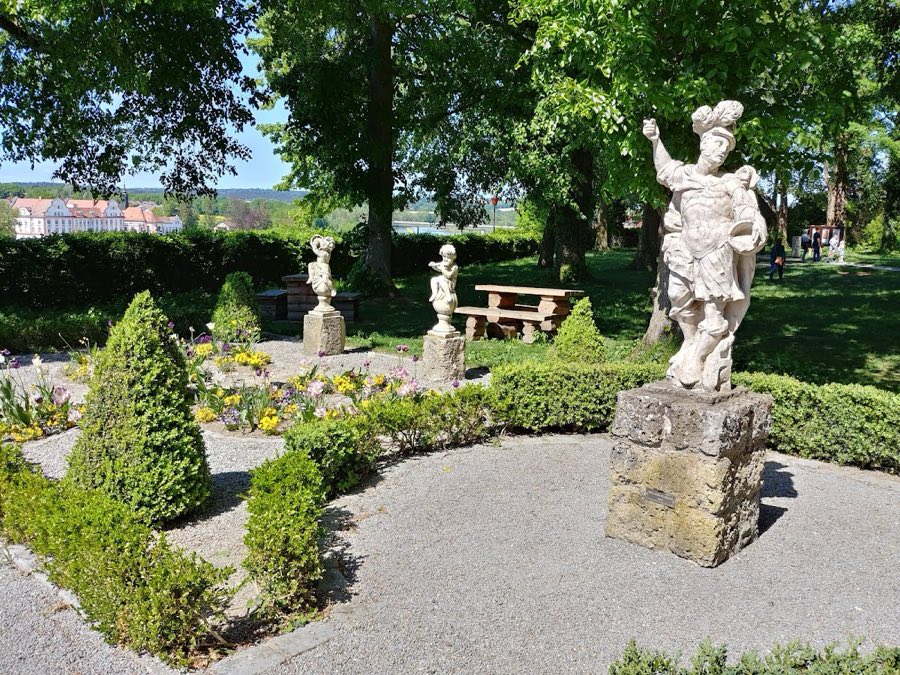
No. 10663
Castle · Austria
No. 10663 · 48.457 N, 13.429 E
Quick summary
Burg Schärding is a castle in Austria with origins associated with the 12th century.
See all castles in AustriaBurg Schärding stands in the town of Schärding, Austria, and was built by medieval local lords, most likely the Counts of Formbach.
The site probably originated in the 1100s and first appears in written records in 1150. In 1160 the castle passed by inheritance to the Andechser family and in 1230 it came into the possession of the Babenberg dynasty. Duke Leopold VI replaced earlier wooden defensive works with a stone-built castle set on the granite outcrop above the Inn, creating the first masonry stronghold at the site.
From 1248 until 1357 the Dukes of Bavaria were lords of the castle and town. In 1357 Duke Albrecht I of Bavaria-Straubing pledged Schärding, its surrounding territory and its toll revenues to the Dukes of Austria for 20,000 goldgulden. The Peace of Schärding on 29 September 1369 assigned Tyrol to Austria while Schärding itself was returned to Bavarian control; the Bavarian portion, including the castle and town, remained under Bavarian rule until 1705.
Between 1429 and 1436 Duke Ludwig the Gebartete ordered major strengthening of the defensive works, including work on the town ditch, the outer castle gate, and the principal town gates. At the start of 1705 Austrian troops occupied the town and castle during the War of the Spanish Succession. After the Peace of Rastatt, Bavarian regiments regained the castle in early 1715.
On 18 June 1724 a fire started during a Corpus Christi procession when salutes ignited nearby buildings; that blaze destroyed thirty-two houses and gutted the castle. Only the administrative offices were repaired thereafter; the main residential hall remained a ruin. A further fire caused by arson on 9 November 1775 damaged parts already affected by the earlier conflagration. The Peace of Teschen in 1779 transferred Schärding back to Austria. In 1809, during the Napoleonic-era wars, the castle was finally destroyed and was not rebuilt; the filled-in ditches contain much of the fire debris from that final devastation.
Perched on a granite rock above the Inn, the surviving fabric of Burg Schärding shows the line of a medieval masonry castle adapted to the town’s defensive circuit. The original stone castle was founded on solid granite, and archaeological traces preserve sections of the outer walls that once enclosed the site. These wall stretches stand as fragmentary masonry and mark the castle’s former footprint.
The castle moat survives as a distinct feature, together with an outer defensive wall that created an enclosed space between the wall lines for defensive purposes. After the destruction of 1809 the moat was partly filled with fire rubble, a documented alteration to the medieval earthworks. The outer gate tower remains intact and has been repurposed to house the local history museum; historically this tower formed the castle’s outermost defensive work and once rose to four storeys. Until 1809 the gate tower and its adjoining gateway were reached only by a bridge spanning the moat. The gate itself shows building phases dated to 1430 and 1570 and formerly contained the residence of the ducal castle-keeper.
Within the former castle courtyard several buildings retain their medieval association. The music school occupies a building that formerly served as the castle granary. A deep well, measured at twenty-six metres, was rediscovered and reconstructed in 2003 and its medieval hydraulic installations survive in part. Wooden water pipes from the medieval well system remain preserved on the site, illustrating earlier water management technology. Since 1895 the castle grounds have been arranged as a public park and the property is held by the town of Schärding.
No. 47473
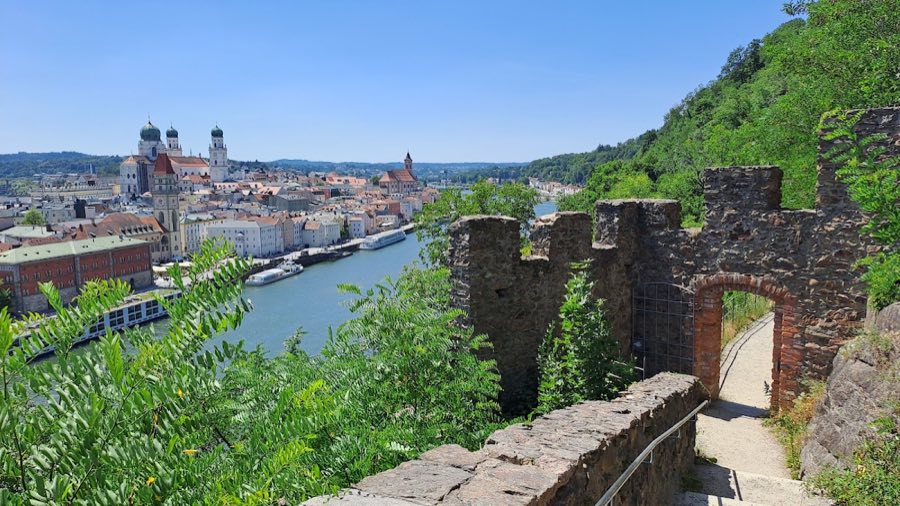
No. 35487
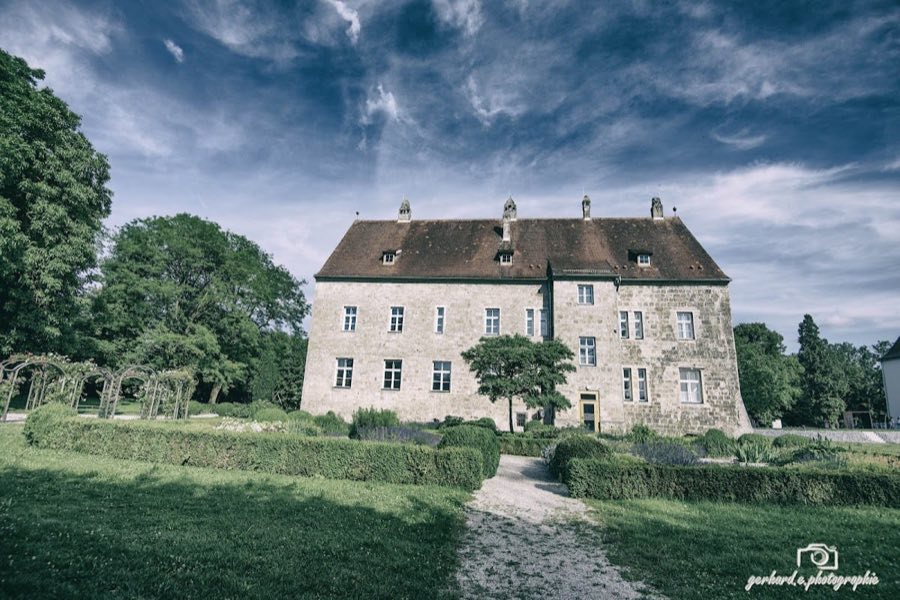
No. 99759
No. 66808
Comments
Comments for Burg Schärding will require a verified account before posting.
We'll send a verification link before your first comment is published.