No. 20959
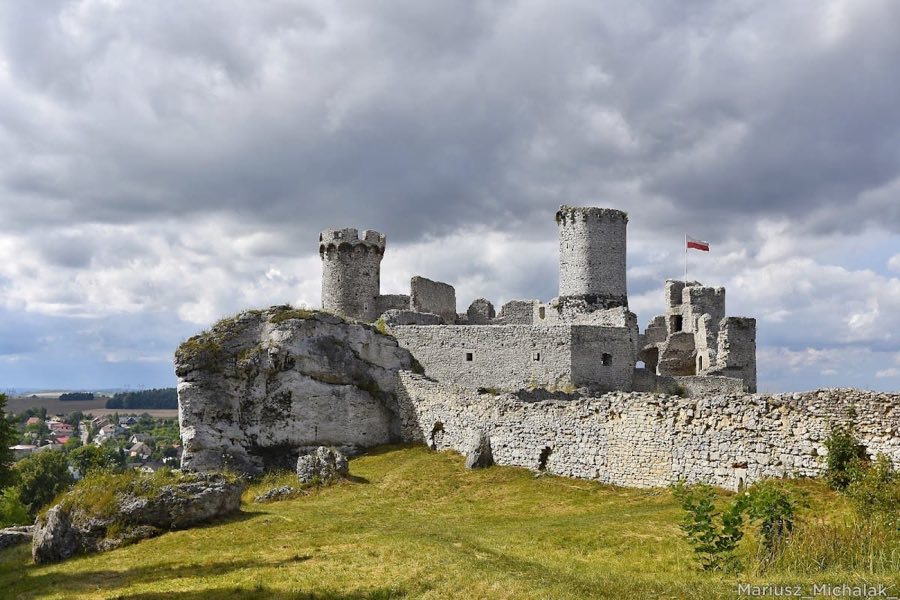
Ogrodzieniec Castle
Poland
CastleRuin12th century
No. 67113
Castle · Poland
No. 67113 · 50.389 N, 19.643 E
Quick summary
Bydlin Castle is a castle in Poland with origins associated with the 14th century.
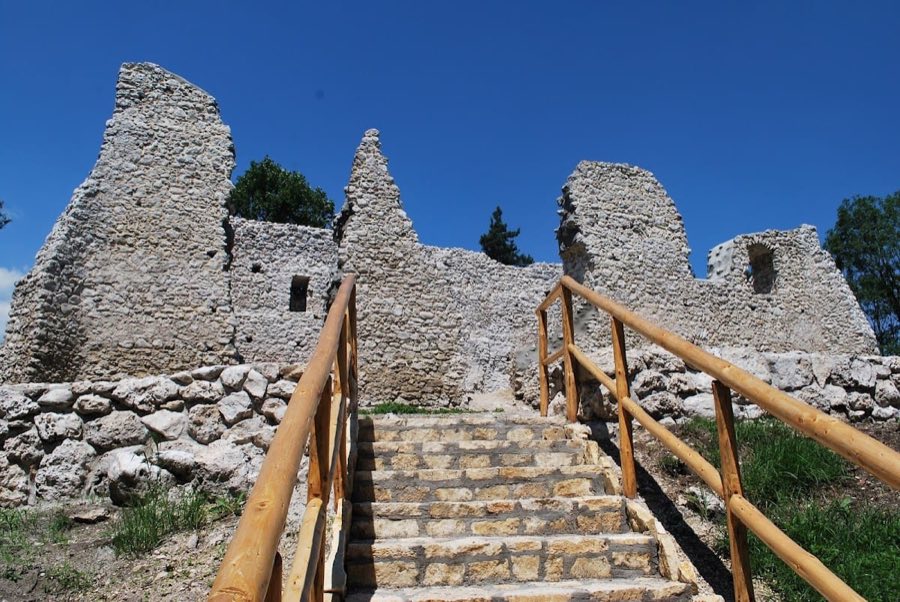
See all castles in PolandBydlin Castle stands on a high rocky hill within the municipality of Bydlin in Poland. It was constructed in the late 14th century by Niemierzy’s son from Gołcza, who is credited with establishing the fortress, including its defensive tower. This origin places the castle within the medieval Polish realm, during the Angevin era, as confirmed by the discovery of a coin dating from the reign of Louis I of Hungary.
For approximately two centuries, Bydlin Castle served predominantly as a defensive structure. Its ownership changed numerous times, passing through over twenty hands before the 16th century. Eventually, the castle came under the control of the Boner family and later the Firlej family. During their tenure in the early 1500s, the original fortification partly lost its military function when the Firlejs converted the castle’s defensive walls into a church.
Around 1570, amid the religious changes of the Reformation, Jan Firlej temporarily turned the church into a place of worship for an Arian congregation, followers of a Calvinist faith. This period of Protestant use was reversed in 1594 when Jan’s son, Mikołaj Firlej, reinstated the building as a Catholic church dedicated to the Holy Cross. This dedication was significant enough to lend the name “Holy Cross” to the entire hill on which the castle stood.
In 1655, during the Swedish invasion of Poland, known as the Deluge, Swedish troops led by General Müller destroyed the church in their advance toward the nearby Jasna Góra monastery in Częstochowa. Decades later, the Męciński family undertook the rebuilding of the church. Despite this restoration, persistent robberies and insecurity in the area led to the abandonment of the building by the late 18th century, and it gradually fell into ruin.
In the 19th century, materials from the castle’s crumbling walls were reused in the construction of a chapel located near the cemetery at the base of the hill. Additionally, the slopes of the hill became a site for galena mining, indicating continued economic activity in the area long after the fortress ceased to serve its original defensive role.
Bydlin Castle’s strategic position returned to military importance during World War I. In November 1914, it became part of the frontline between Austro-Hungarian troops, including the Polish Legions commanded by Trojanowski, and the Russian Imperial Army. This confrontation culminated in the Battle of Krzywopłoty in the vicinity of the castle hill.
In 1989, archaeologist Błażej Muzolf led excavations that uncovered the foundations of previously unknown structures, most notably a gate tower, solidifying the classification of the site as a castle rather than primarily a religious building. The same digs revealed ceramic vessels, decorated stove and pottery tiles, which shed light on the material culture of the site’s inhabitants. These discoveries deepened understanding of the castle’s layout and historical phases.
By 2009, a partial collapse of the southern wall of the residential building occurred, prompting restoration efforts completed in 2012. Following these repairs, the ruins were stabilized and made accessible, preserving the castle’s legacy for future study.
The extant ruins of Bydlin Castle form a roughly rectangular layout, about 24 meters long and 11 meters wide. Constructed from local limestone, the walls display notable solidity, averaging just over two meters in thickness and rising to around seven meters in height. The corners are strengthened with buttresses, which provided additional support to the structure. Defensive features include traces of built-in loophole windows—narrow slits designed for archers or other defenders to observe and fire upon attackers while remaining protected.
One of the most significant recent discoveries was the foundation of a gate tower, revealed during the 1989 archaeological work. This finding was crucial in confirming the site’s identity as a fortified castle rather than solely a religious precinct. The gate tower would have served as the main entrance point, controlled access, and enhanced the castle’s defensive capabilities.
Archaeologists also uncovered a rich collection of ceramic vessels and stove tiles exhibiting figural and heraldic decorations. These ceramic stove tiles were part of heating systems common in wealthy residences during the medieval period, indicating a level of domestic comfort alongside the military function. Various pottery shards and tiles were found, providing insight into the everyday utensils and decorative preferences of those who lived within the castle.
The castle’s moat remnants and remaining walls, though fragmentary, retain enough detail to illustrate the fortress’s original defensive design. Over time, stones from the ruin were repurposed in local constructions, including a chapel by the nearby cemetery, highlighting a pattern of material reuse common in regions with abandoned medieval structures.
Today, after restoration work following wall collapses, the ruins offer a tangible glimpse into the castle’s layered history, showcasing both its military origins and later religious transformations. The surviving elements tell the story of a site that evolved in response to shifting political, religious, and social circumstances over several centuries.
No. 20959
No. 65844
No. 87437
No. 44024
Comments
Comments for Bydlin Castle will require a verified account before posting.
We'll send a verification link before your first comment is published.