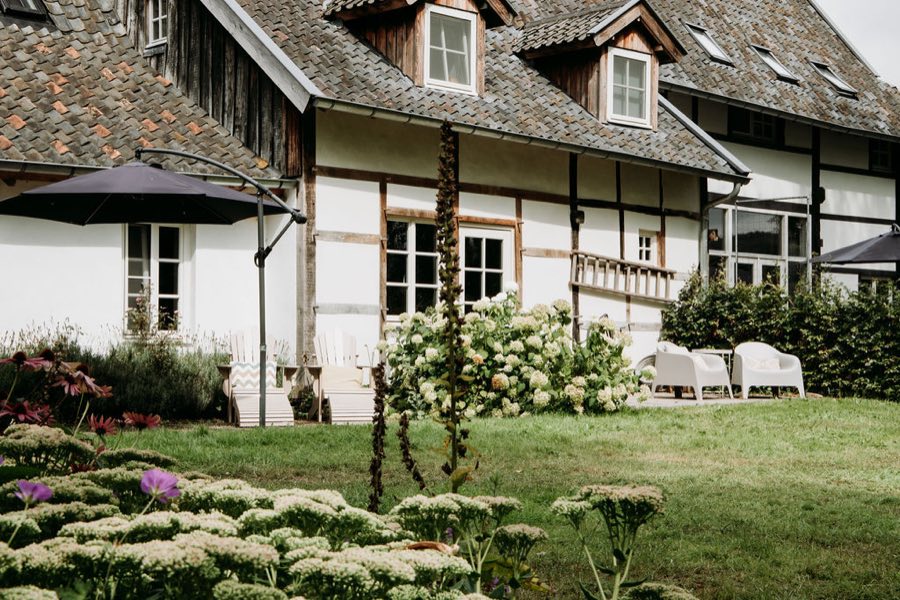
No. 21319
Hurpesch Castle
Netherlands
CastleIntact16th century
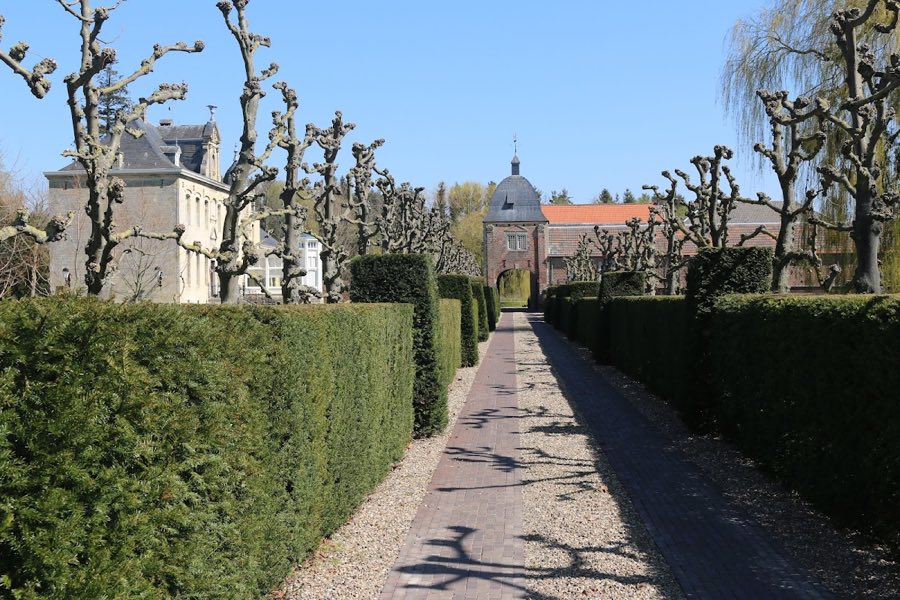
No. 55016
Castle · Netherlands
No. 55016 · 50.822 N, 5.902 E
For events
Cartils Castle, Wijlre is marked as a château or castle venue lead. Capacity, indoor/outdoor spaces, catering rules, and accommodation options are published only after public verification.
Event types: Private events, Cultural gatherings, Filming and photography
Quick summary
Cartils Castle, Wijlre is a castle in Wijlre, Netherlands with origins associated with the 18th century.
See all castles in NetherlandsCastle Cartils in Wijlre, Netherlands, occupies a site with roots in the Roman period and later developed as a medieval lordly residence. A fortified settlement may have existed here in Roman times because the location lay close to the crossing of major Roman roads. The first stone stronghold on the present site was probably raised in the 1200s, and the surviving fabric shows building phases that span the late medieval period into the early modern era.
During the Early Middle Ages a large farm at this place became the centre of a local lordship. Those lords answered to their bishop but, because the emperor lived far away, they governed with considerable autonomy and repeatedly clashed with neighbouring families from Wijlre and Wittem. The household attached to the estate continued to occupy the castle site through the late 18th century.
Military events mark the castle’s later medieval history. In 1574 Lodewijk van Nassau used Cartils as his headquarters during an attempt to take the walled town of Maastricht. The family line that gave the place its name appears in the records from the later medieval period. The earliest named lord is Theodor van Eyneburg de Cartils, a baron and canon at the St. Servatius chapter in Maastricht, who brought the Eyneburg estate into the family and married into local noble houses. He bore the same coat of arms as Theodor van Lynden and is very likely his son. Theodor’s son Ivo married Elisabeth Hoen van de Broich, and their descendants adopted the combined family name Hoen de Cartils.
In the later 18th century the last of the Hoen de Cartils, Maximiliaan, was rebuked by Aachen’s aldermen after another border dispute with the Wijlre lords. Maximiliaan’s daughter died without heirs in 1772 and left the estate to Count Jacques-Ignace de Liedekerke of Maastricht. The count showed little interest in the property, and the castle subsequently stood empty, becoming a refuge for vagrants and criminal bands, including members of the Bokkenrijders. Around 1800, after the French invaded the Netherlands and reorganised local government, Cartils was incorporated into the municipality of Wijlre while ownership remained with de Liedekerke.
Private ownership resumed in the mid-19th century when Christiaan Frijns bought the property in 1847. His family line continued to own the castle into the 20th century; a descendant, Karel Janssen de Limpens (1909–1980), researched and recorded its past. Today the complex remains in private hands and is not open to the public; several buildings and elements of the site are protected as national monuments.
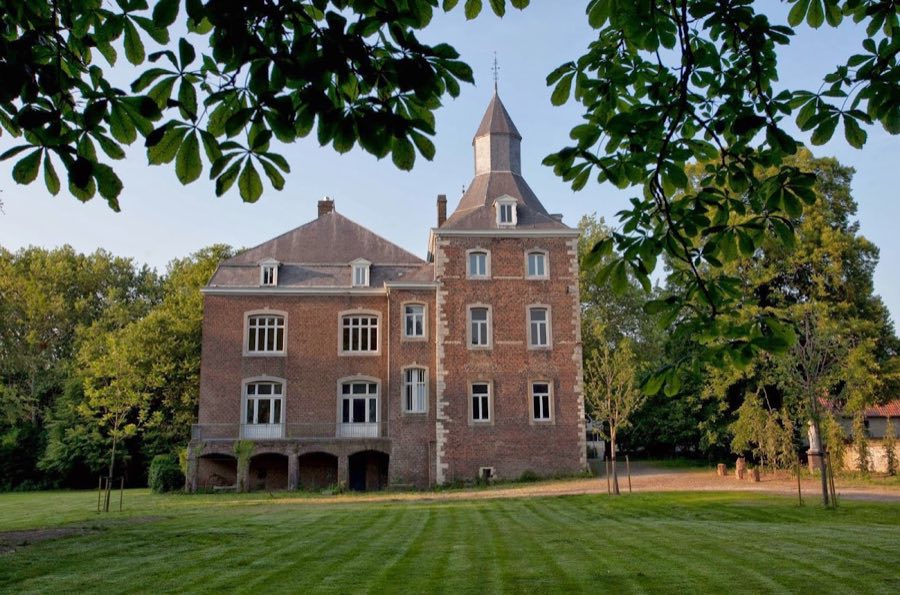
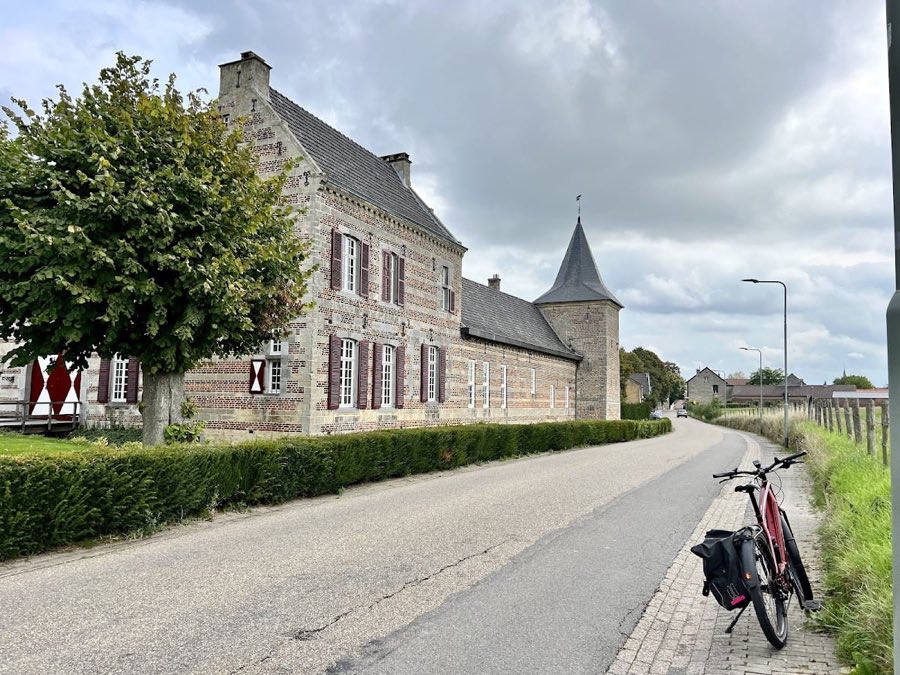
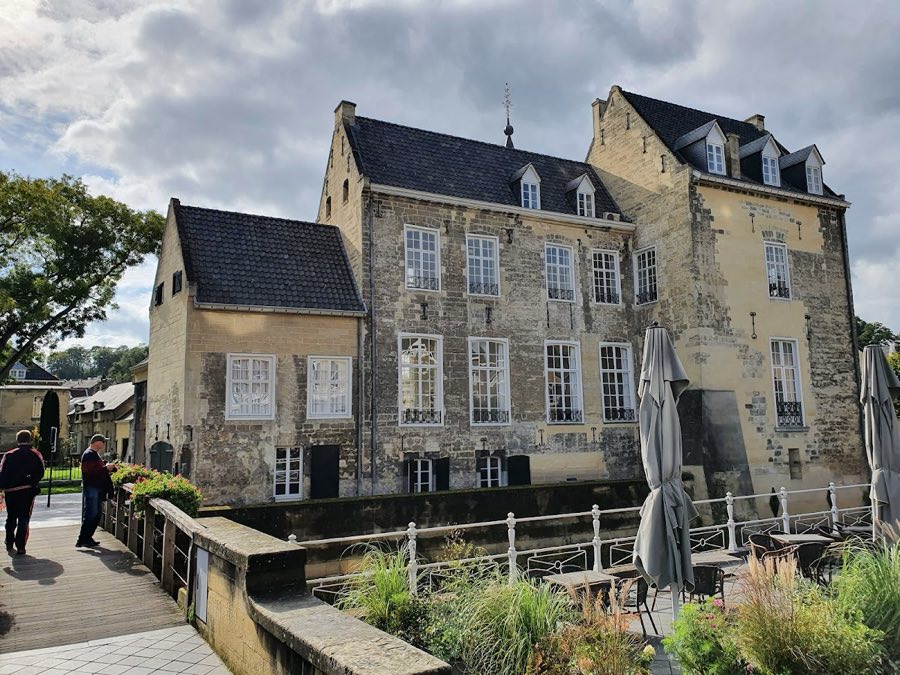
The complex sits in a rural stretch of the road that links Wijlre with Wittem, close to the Eyserbeek stream where the Eyserbeek, Geul and Gulp meet, and adjacent to the small hamlet that shares the site’s name. The ensemble is organised around a principal rectangular house built in the 1600s, with secondary structures and a prominent older tower set to the rear. The layout reflects successive building phases rather than a single uniform plan.
The principal residence dates to the 17th century and provided the main living and administrative spaces for the estate. At its front corner the building carries a small projecting enclosed turret, an oriel turret, which marks the approach from the road. This main block underwent substantial alteration in 1883, changing aspects of its appearance while retaining its role as the complex’s primary dwelling.
Behind the house stands a large round tower that dates to about 1500; this tower is the oldest surviving component of the present castle and represents the late medieval defensive and residential fabric. Immediately to the rear the raised embankment of the former Maastricht–Vaals tram line remains visible, the former tram route that once served the nearby Wijlre–Gulpen station. The castle group survives as an intact private estate, and several of its buildings and constituent elements are listed separately as national monuments.
No. 21319
No. 82102
No. 73733
No. 55038
Comments
Comments for Cartils Castle, Wijlre will require a verified account before posting.
We'll send a verification link before your first comment is published.