No. 73733
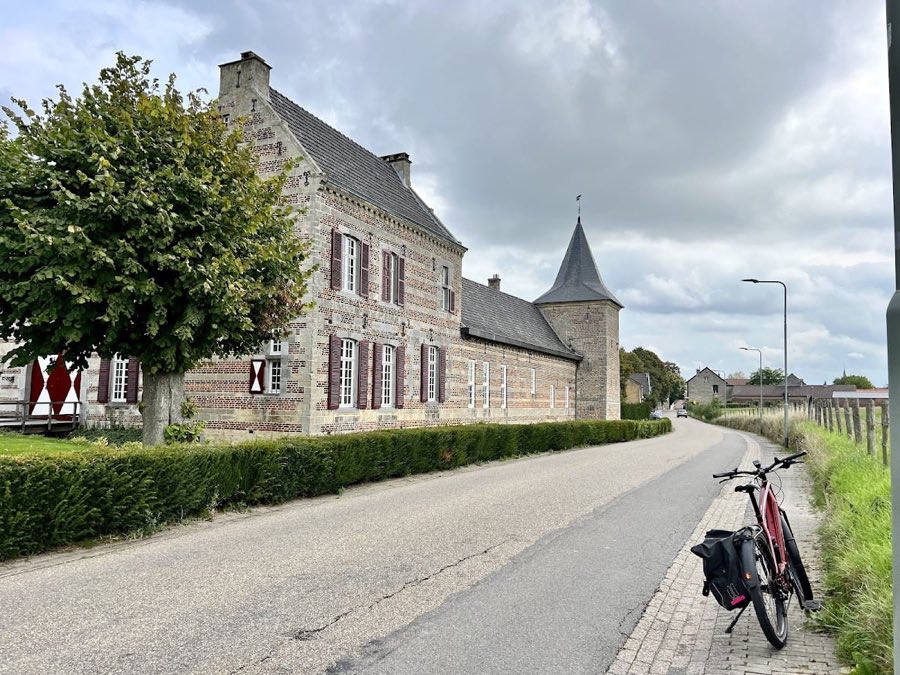
Sibberhuuske
Netherlands
CastleIntactFor events15th century
No. 55038
Castle · Netherlands
No. 55038 · 50.865 N, 5.831 E
Quick summary
Den Halder Castle is a castle in Netherlands with origins associated with the 17th century.
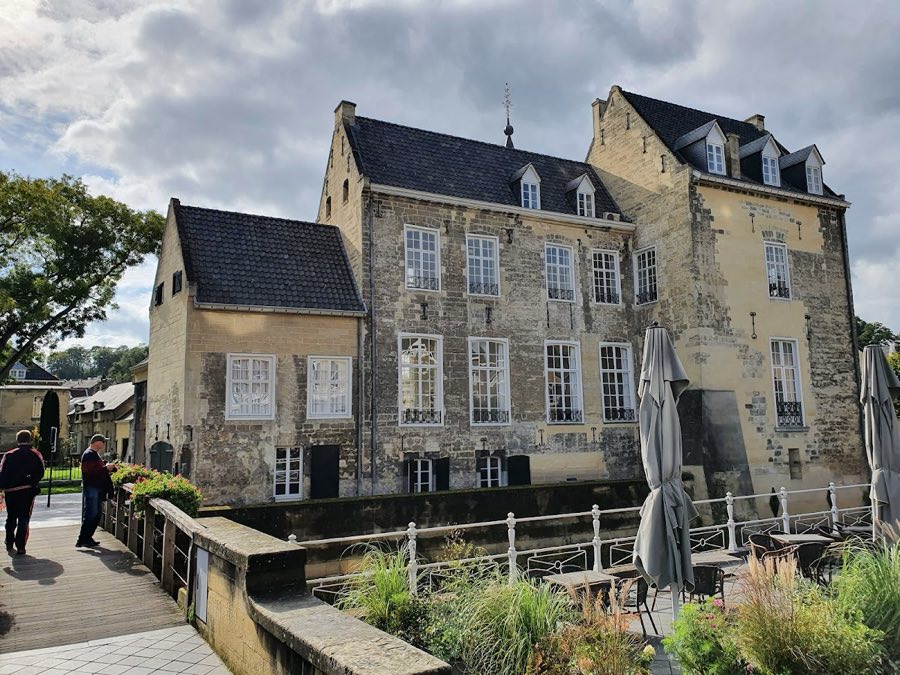
See all castles in NetherlandsDen Halder Castle in Valkenburg, Netherlands began as a medieval defensive tower that formed part of the town’s fortifications and later grew into a house and castle with a largely 17th-century appearance. The site dates back to at least the late Middle Ages and takes its name from an old word meaning to hold back an approaching enemy, underlining its original defensive purpose. Its long history makes it one of Valkenburg’s notable historic buildings, repeatedly altered to meet military, domestic, and civic needs.
A deed issued in 1381 by the Duke of Brabant records the tower soon after he captured Valkenburg following a siege that lasted several weeks, placing the structure firmly within the region’s late medieval conflicts. By 1573 the tower was occupied as a residence, the first named tenant being Peter van Ellerhorn, showing it had become a lived-in keep by the sixteenth century.
The tower was incorporated into a more substantial house in the early modern period. A major rebuilding in 1635 produced the rectangular main house that still defines much of the castle’s appearance, and the house took on predominantly seventeenth-century character even as later owners made changes during the eighteenth century. Ownership passed through several private hands: in 1739 Peter Boomhouwer acquired the property from the Van Meer family and subsequently sold it to the mayor of Wezet. In 1772 Hendrik Pelerin became owner and left for England around 1789.
In 1804 the Van Pallandt family sold Den Halder to Bertrand Loisel, a Frenchman who acted as mayor of Valkenburg during the French administration. Loisel rebuilt the associated mill on Lindenlaan; thereafter that mill was known as the Fransche Molen, or French Mill. During the nineteenth century, as Valkenburg developed into a spa and holiday locale, the Valkenburg Development Company bought the castle and its grounds and introduced paved roads and new bridges across the Geul, changing the immediate setting and giving the area a more urban character. Part of this estate was later acquired by the municipality and laid out as Odapark.
Later private owners included a resident known as Valkenburger Habets, who carried out an extensive restoration, followed by the families De Casalette and Rooding; under their stewardship parts of the building were used as offices. The castle suffered substantial damage during the Second World War; after the conflict the municipality purchased and renovated the property and it was used to house the regional museum of Valkenburg and, later, the provincial tourist office of Limburg. Den Halder is listed as a national heritage site and forms part of the Geul & Maas country estate. In July 2021 the riverside site experienced very high water and, after waters fell, a fire on the night of 16–17 July caused damage to the main hall and its oak staircase and produced soot damage in office areas, which remained unusable for six months.
The castle stands directly alongside the Geul river, with the water running along the rear face of the building. The surviving fabric combines a rectangular seventeenth-century house, built in 1635, attached to an earlier defensive tower from the fifteenth century. The masonry is local Limburg marl, a sedimentary stone commonly used in the region, giving the walls their pale, worked appearance. The main house shows seventeenth-century proportions and detailing but also bears alterations made in the eighteenth century.
The Halder Tower is a square keep (donjon), the main defensive tower, that was later adapted to function as a stair tower. Its plan and position reflect its original role within the town’s fortifications, and the tower’s medieval origins contrast with the attached seventeenth-century range. The interior hall and its oak staircase survived long enough to be notable features into the modern period; they were damaged in the fire that followed the July 2021 flood.
The historic estate included ancillary economic and landscape elements: a farm, an oil mill and a flour mill, a large orchard, open lands and several ponds. The flour mill on Lindenlaan was rebuilt under Bertrand Loisel’s ownership and thereafter carried the name Fransche Molen, or French Mill. These outbuildings and water features shaped the estate’s working character; remnants of that layout survive in the way the castle sits within a partly park-like setting.
Adjacent to the castle lies a public city park, Halderpark, where work was carried out to reinstate the visible line of the old city moat by 2014. The building’s condition reflects cycles of damage and repair: heavy wartime harm was followed by municipal renovation after the Second World War, and the 2021 high water and subsequent electrical fire left specific damage to the hall, the oak staircase and office spaces, the latter suffering soot contamination that rendered them unusable for a period. The castle remains standing and retains its combined medieval tower and seventeenth-century house as the core visible features.
No. 73733
No. 50906
No. 58729
No. 55016
Comments
Comments for Den Halder Castle will require a verified account before posting.
We'll send a verification link before your first comment is published.