No. 58780
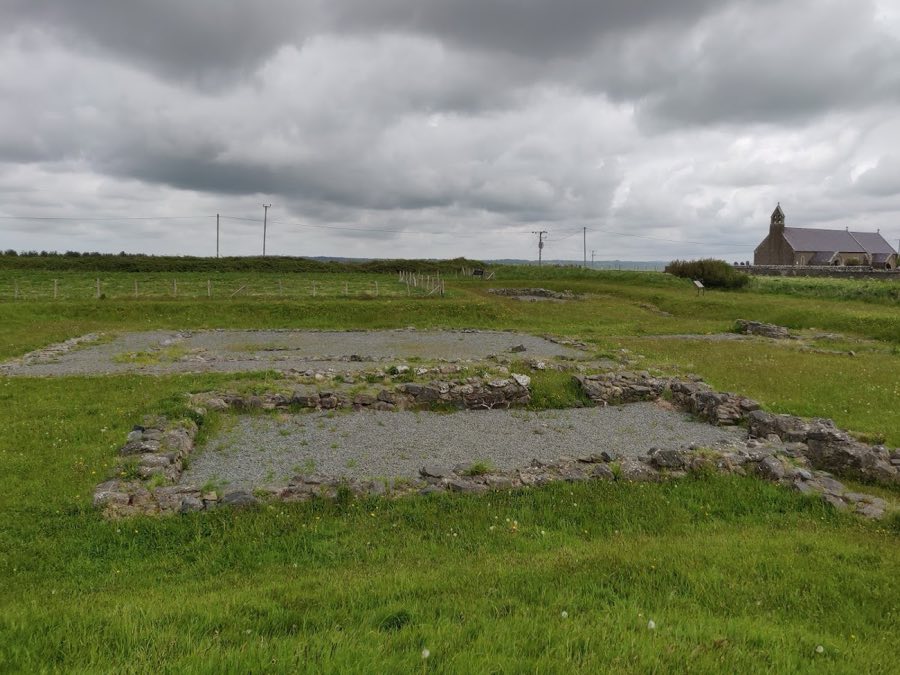
Llys Rhosyr
United Kingdom
PalaceIntact13th century
No. 32884
Castle · United Kingdom
No. 32884 · 53.293 N, 4.077 W
Quick summary
Castell Aberlleiniog is a castle in United Kingdom with origins associated with the 11th century.
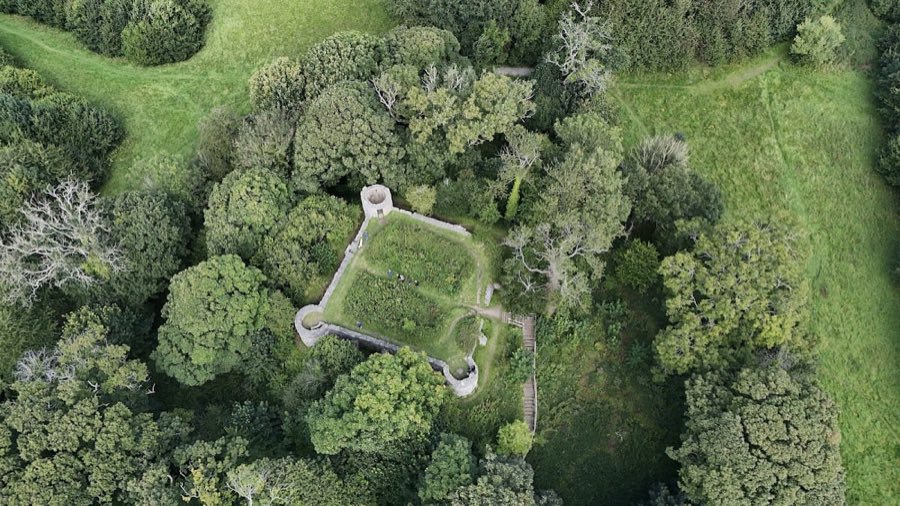
See all castles in United KingdomCastell Aberlleiniog is situated in the municipality of Llangoed in Wales, United Kingdom. This medieval castle was established by the Normans during their expansion into Welsh territories. It was constructed between 1080 and 1099 under the direction of Hugh d’Avranches, a Norman nobleman who played a key role in consolidating Norman control in the region.
The castle first existed as a wooden fortification, a common approach during the early Norman period to establish rapid defenses. Over time, this wooden structure was replaced with stone, enhancing its durability and defensive capabilities. This transition from timber to stone reflected the growing strategic importance of Castell Aberlleiniog in maintaining Norman presence on the island of Anglesey.
In 1094, the castle faced a notable military challenge when it was besieged by Gruffudd ap Cynan, a Welsh prince seeking to reclaim lands from Norman control. The siege was ultimately unsuccessful, though it resulted in the loss of 124 Norman defenders in the battle that followed. This violent episode underscored the contested nature of the region during the late 11th century.
Further into its history, in the mid-17th century, the castle suffered partial destruction at the hands of Thomas Cheadle, who served as constable of nearby Beaumaris Castle. This act likely reflected the shifting military and political circumstances of the period, leading to the decline of Castell Aberlleiniog’s defensive role. Since then, restoration efforts have been undertaken to preserve the remaining structures, allowing for partial public access and continued recognition of its historical significance.
Castell Aberlleiniog occupies a strategic position on a steep hill approximately 25 meters above sea level on the island of Anglesey. Its design follows the motte-and-bailey style, which features a raised earthwork called a motte accompanied by an enclosed courtyard known as a bailey. The castle layout includes a courtyard that is surrounded by low walls, punctuated by round towers at its corners. These towers would have served to reinforce the defensive perimeter and provide vantage points for surveillance.
Originally, the fortifications were constructed from wood, which was typical for early Norman castles due to the speed of building. These wooden structures were later replaced with stone, marking a significant upgrade in the castle’s defensive architecture. The stonework has helped preserve the castle through centuries, even as weathering and human actions have taken their toll.
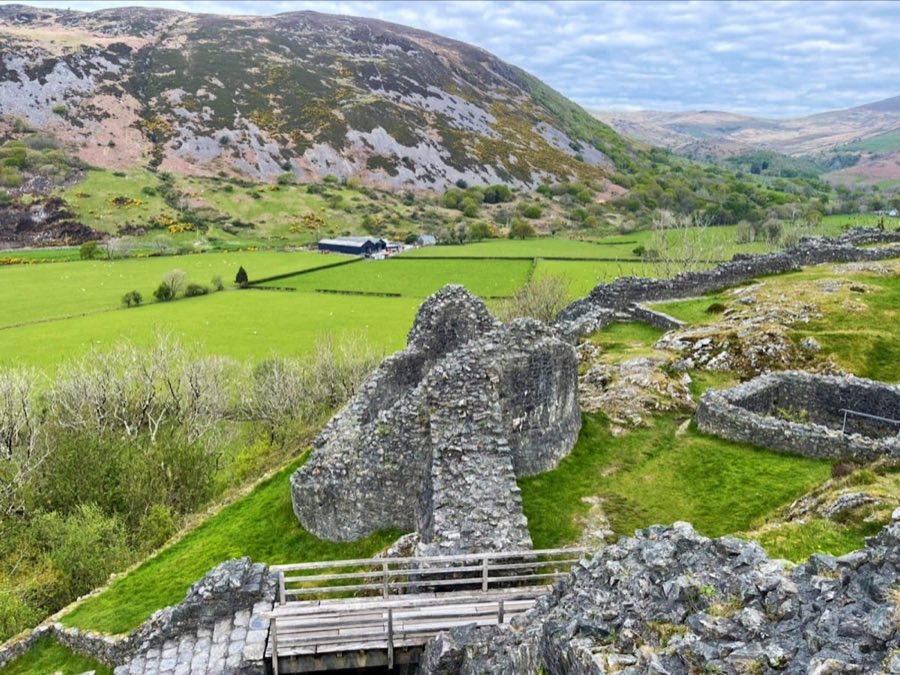
Today, despite the partial destruction in the 17th century, enough of the castle remains for visitors to appreciate its historical structure. The walls and corner towers stand in situ, with restoration efforts having stabilized the ruin and made portions of it accessible. There are no inscriptions or decorative elements noted at the site, nor have archaeological excavations reported the discovery of artifacts such as tools or pottery.
Together with its close proximity—about two miles north—to Beaumaris Castle, the surviving elements of Castell Aberlleiniog point to its role within a network of fortifications intended to secure Norman dominance on Anglesey during the medieval period.
No. 58780
No. 59158
No. 14587
No. 22571
Comments
Comments for Castell Aberlleiniog will require a verified account before posting.
We'll send a verification link before your first comment is published.