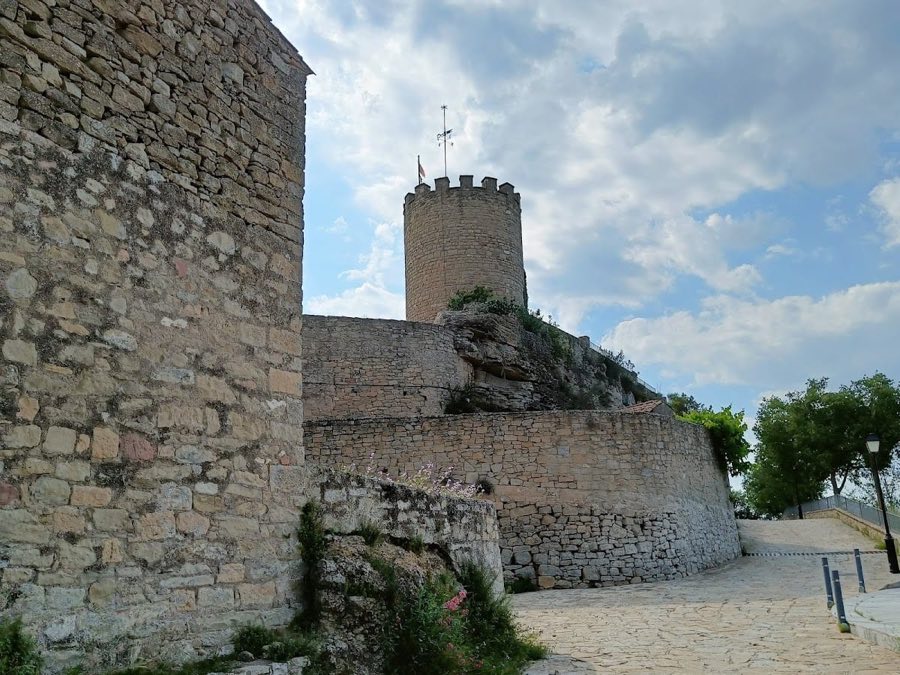
No. 72388
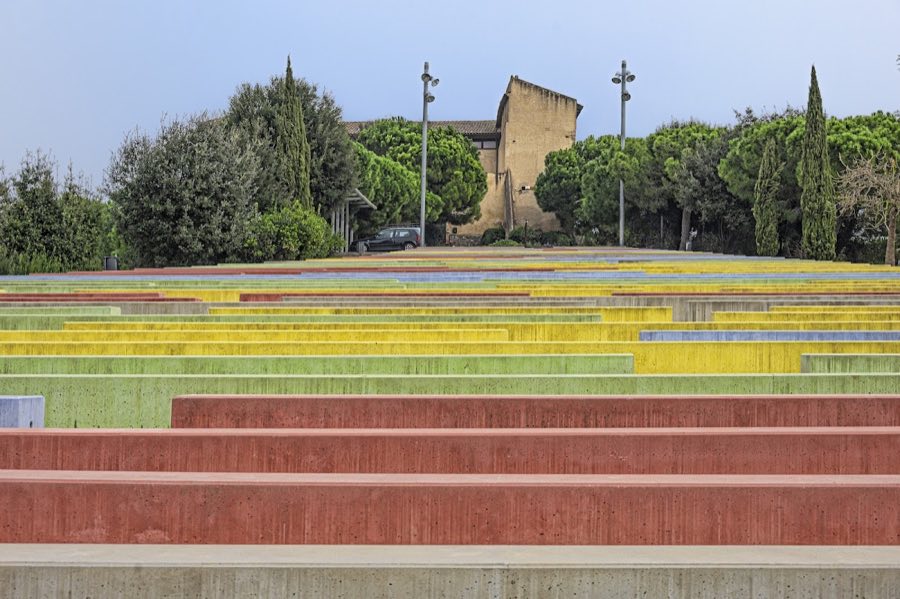
Castell de Talamanca
Spain
Manor houseRestored11th century
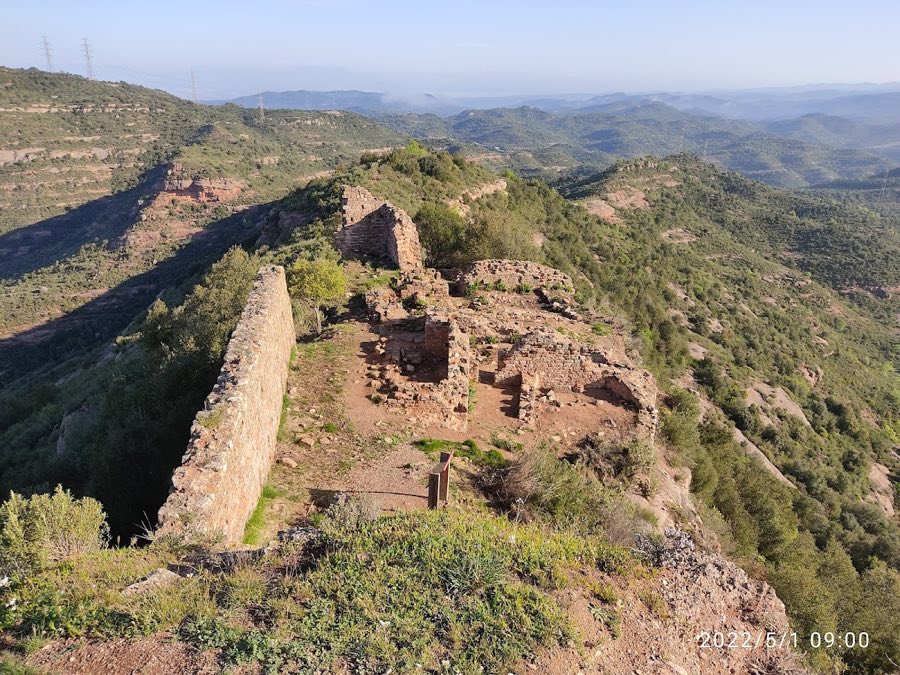
No. 75913
No. 75913 · 41.690 N, 2.029 E
Quick summary
Castell de Pera is a castle in Spain with origins associated with the 11th century.
See all castles in SpainCastell de Pera is located in the municipality of Sant Llorenç Savall, in modern Spain. The castle dates back to at least the early 11th century and was constructed by the medieval Catalan people.
The earliest record of the castle appears in the year 1018, where it served as a reference point for defining territorial boundaries. Throughout the 11th century, it was frequently cited in documents related to land ownership and local jurisdictions. In 1157, a significant agreement was made involving Guilleuma, the widow of Ramon de Pera, and her new husband, who negotiated with Count Ramon Berenguer IV over rights connected to the castle, indicating its importance in feudal arrangements during that period.
Ownership of Castell de Pera shifted several times over the following centuries. In 1287, Pere Marquès, a royal notary, acquired the property, and the Marquès family maintained possession until 1365. That year, Andreu Marquès transferred the castle to the monastery of Sant Jaume de Vallparadís located in Terrassa, highlighting its connection to religious institutions. Several decades later, in 1378, the monastery sold the property to the Sentmenat family. This noble family retained control of the castle well into the 18th century, marking the longest continuous ownership in its known history.
Today, Castell de Pera is officially recognized as a Cultural Asset of National Interest and is included in Catalonia’s Architectural Heritage Inventory, emphasizing its historical and cultural value.
Perched atop a hill at 740.6 meters above sea level, Castell de Pera follows the natural contours of the slope with an elongated layout stretching from north to south. The castle overlooks the Horta valley and the headwaters of the Ripoll river basin, strategically positioned for surveillance and defense.
Two entrances allowed access to the enclosure: one on the northern side and another on the eastern side, where remnants of stone steps are still visible. The well-preserved western wall features two horizontal rows of narrow openings known as arrow slits, placed at different heights to permit archers to defend the fortification while being protected. Behind this wall lies the castle’s inner courtyard, or pati d’armes, which would have served as an open space for daily activity within the walls.
Within the site, archaeologists discovered two cisterns that would have collected and stored rainwater, as well as a furnace, whose precise function remains tied to the castle’s operational needs. At the northwest corner, the remains of a square-shaped structure likely served as a watchtower, providing a vantage point to monitor the surrounding terrain. Attached to this tower are fragments of a vaulted nave, with the springing of the vault still standing, indicating the architectural techniques used in its construction.
Opposite this area, on the other end of the castle, a natural rocky battlement formed another lookout position, blending natural features with man-made defenses. On the eastern side lies the chapel of Santa Maria, notable for its simple design featuring a single nave and a semicircular apse oriented towards the east. The apse narrows compared to the nave and is integrated into the fortification wall, exemplifying how religious and defensive functions coexisted. The chapel’s door is located on the southern wall, relatively narrow when viewed from outside at about half a meter wide but expanding to around one meter in width from the inside, a characteristic detail of medieval ecclesiastical construction.
Together, these surviving elements offer a clear picture of the castle’s structure and its role both as a fortified residence and a religious site within the landscape of medieval Catalonia.
No. 72388
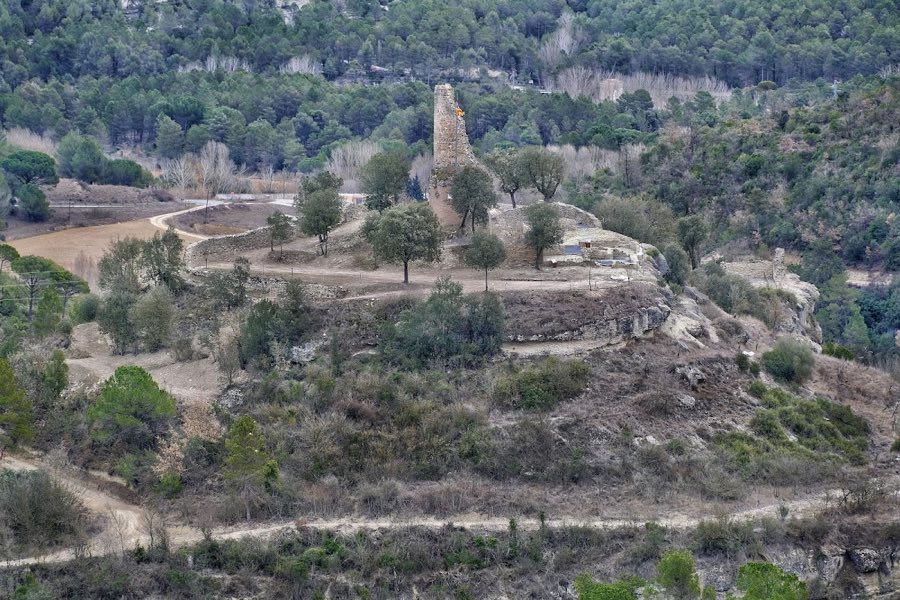
No. 42131
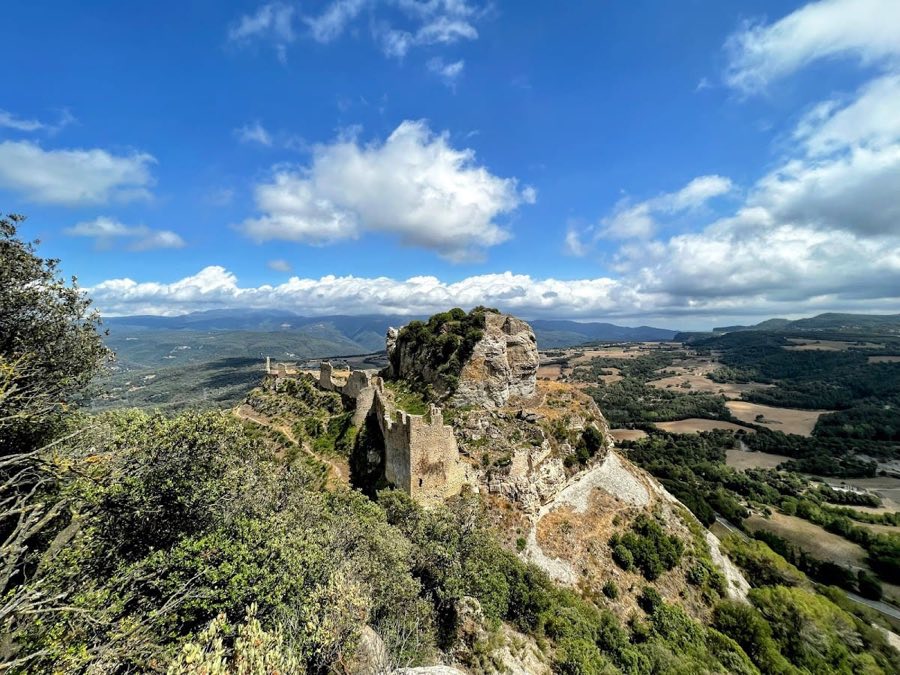
No. 55739
No. 44732
Comments
Comments for Castell de Pera will require a verified account before posting.
We'll send a verification link before your first comment is published.