No. 55020
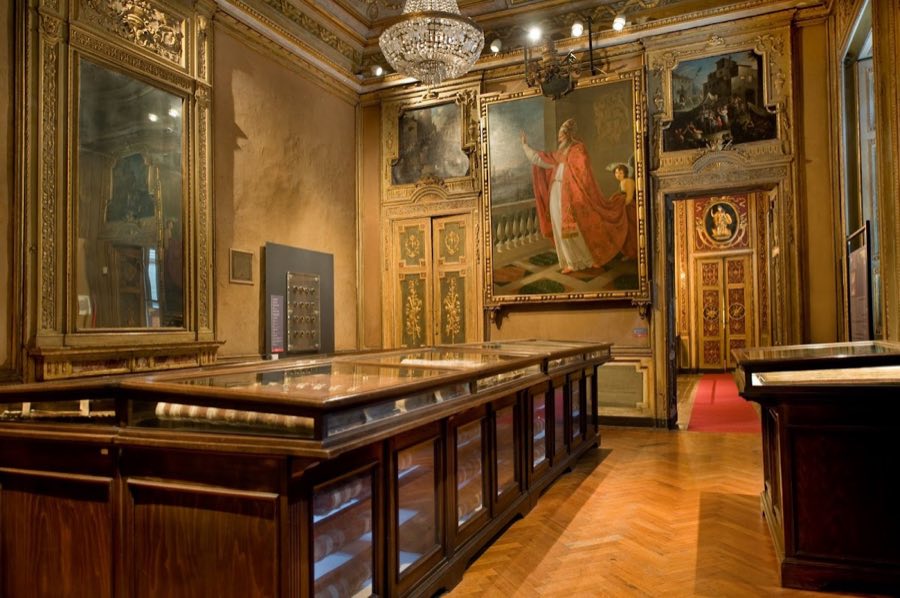
Museo Civico di Palazzo Cuttica, Alessandria
Alessandria, Italy
PalaceRestored18th century
No. 56724
Castle · Italy
No. 56724 · 45.075 N, 8.409 E
Quick summary
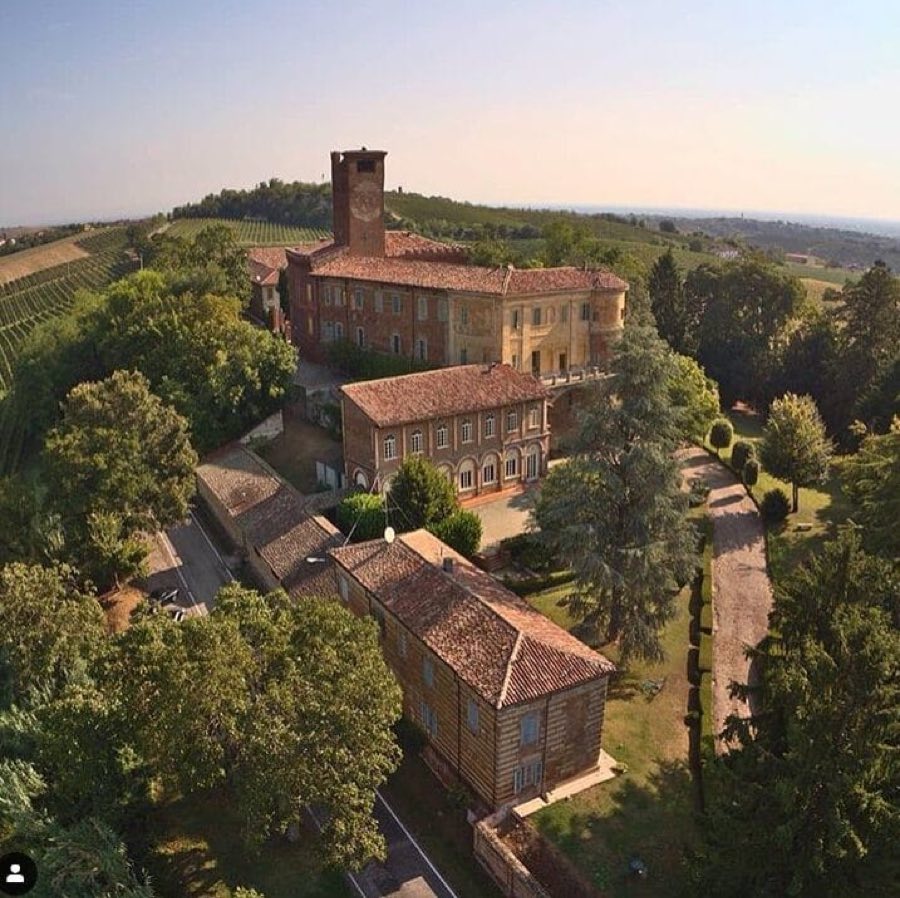
Castello di Uviglie is a castle in Italy with origins associated with the 14th century.
See all castles in ItalyThe Castello di Uviglie, situated on a hill overlooking the town of Rosignano Monferrato in modern Italy, was established by medieval Italian nobility during the 14th century. Its origins trace back to a period when fortified structures were essential for defense and control of the surrounding territory.
The initial construction phase began in 1322 when Marquis Teodoro I of Monferrato authorized the Pocaparte family to erect a fortified residence on the site. This early phase integrated a preexisting church dedicated to Saint Eusebius of Vercelli, reflecting the intertwining of religious and military functions. The castle’s first components included a round tower, a central keep known as a mastio, and a retaining wall designed to support a Renaissance-style hanging garden, marking its defensive and residential purposes.
In the late 15th century, ownership shifted due to political and fiscal pressures. Antonio Pocaparte transferred control of the fief to Maria of Serbia, who acted as regent for Marquis Guglielmo IX. This change followed new taxation policies imposed by Giovanni II Paleologo, indicating broader regional power struggles. By 1499, the castle passed under the jurisdiction of Giovanni Antonio Pico, a member of a noble family that allied with the influential Gonzaga family. This alliance gave rise to the Pico Gonzaga branch, which maintained possession of the castle for roughly three centuries. During their tenure, the family pursued interests in alchemy and sciences, enriching the interiors with esoteric symbolism that reflected Renaissance intellectual currents.
The early 19th century brought another transition through marriage, sending the estate into the hands of the Bricherasio family. Count Armodio Bricherasio undertook significant renovations including dismantling the southern defensive walls, allowing the creation of a romantic-style park. Under the Bricherasio stewardship, the castle became a center of cultural activity, hosting prominent figures such as the painter Lorenzo Delleani and the writer Edmondo De Amicis.
In the 20th century, the last private owner, Countess Sofia Cacherano di Bricherasio, gifted the castle in 1928 to the Missionaries of Consolata for use as a novitiate. During the Second World War, the castle’s underground spaces protected the remains of Don Giuseppe Allamano from bombing risks. Following the conflict, the property came into the hands of the Salesian Institute for Missions before being restored in the 1970s by the Missionaries of Consolata. At that time, the castle was adapted to include public amenities while preserving its historical character.
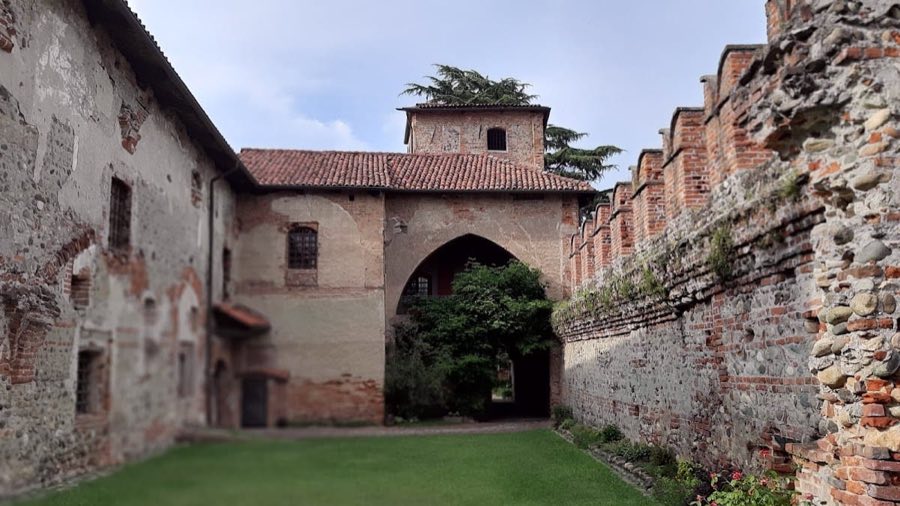
Castello di Uviglie stands upon a fortified layout typical of medieval residential strongholds, incorporating both defensive and noble architectural elements. The castle’s core features a prominent round tower and a central keep, or mastio, both integral to its original 14th-century defensive role. These masonry structures were built using local stone, with walls designed to withstand siege, and the round tower served both as a lookout and a last line of defense.
Surrounding the main buildings, a large retaining wall once supported an elegant hanging garden, a Renaissance innovation that transformed part of the fortress’s defensive ramparts into an ornamental green space. This garden, planned in the Italian style, overlooked the interior halls and was adapted as the castle shifted from purely military use to a noble residence, blending natural beauty with architectural sophistication.
Inside, the castle hosts expansive halls adorned with painted frescoes, indicative of Renaissance artistic traditions. These rooms open onto the hanging garden, underscoring the integration of interior and exterior spaces to enhance the livability and prestige of the castle. Below the noble wing lie extensive wine cellars dating from the Renaissance era, reflecting centuries of local viticulture. These subterranean chambers contain a private collection of historic wine bottles, original wooden barrels, and tools related to barrel making, or cooperage, highlighting the economic importance of winemaking to the estate and region.
The surrounding park complements the architectural elements, laid out in a romantic style in the 19th century after the demolition of the castle’s southern defensive walls. This green area includes a variety of exotic and native trees, among which stands a distinguished Cedrus libani, or Lebanon cedar, recognized for its botanical significance by regional authorities. Within the park also stands the chapel dedicated to Saint Eusebius, preserving the site’s longstanding religious connection. The chapel houses the crypt where members of the Pico Gonzaga family were interred, linking the landscape to the lineage of its noble occupants.
A stone sarcophagus located in the gardens once held the remains of Count Armodio Bricherasio, underlining the personal ties between the estate and its 19th-century renovators. Photographs and preserved elements further confirm the presence of the southern tower and the castle’s façade, which retain key medieval architectural characteristics while exhibiting modifications from successive centuries of occupation and alteration. Together, these features present a well-documented historical narrative embedded in the fabric of Castello di Uviglie’s structure and grounds.
No. 55020
No. 24582
No. 30717
No. 31344
Comments
Comments for Castello di Uviglie will require a verified account before posting.
We'll send a verification link before your first comment is published.