No. 28836
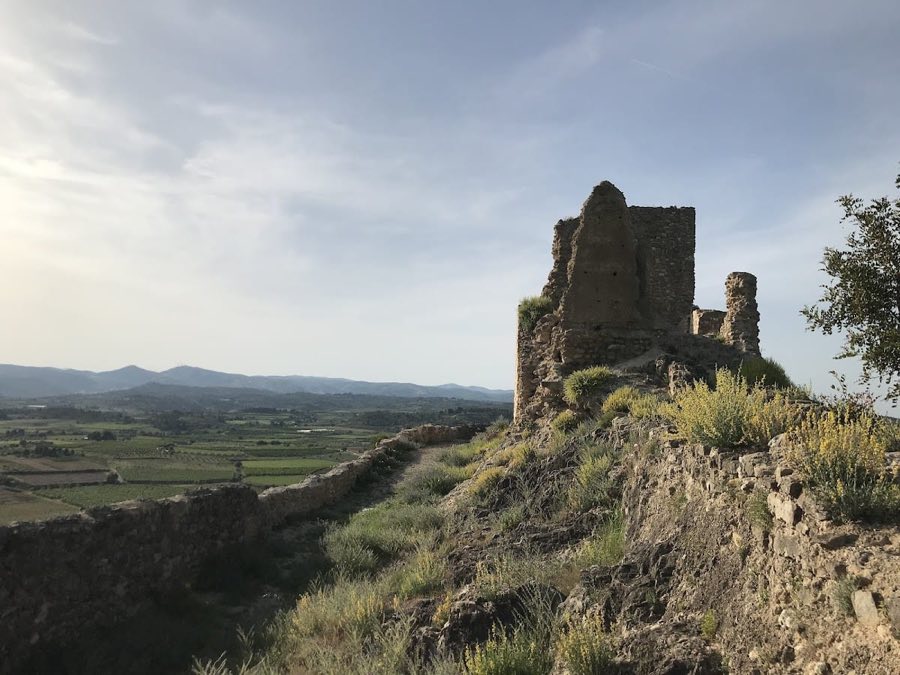
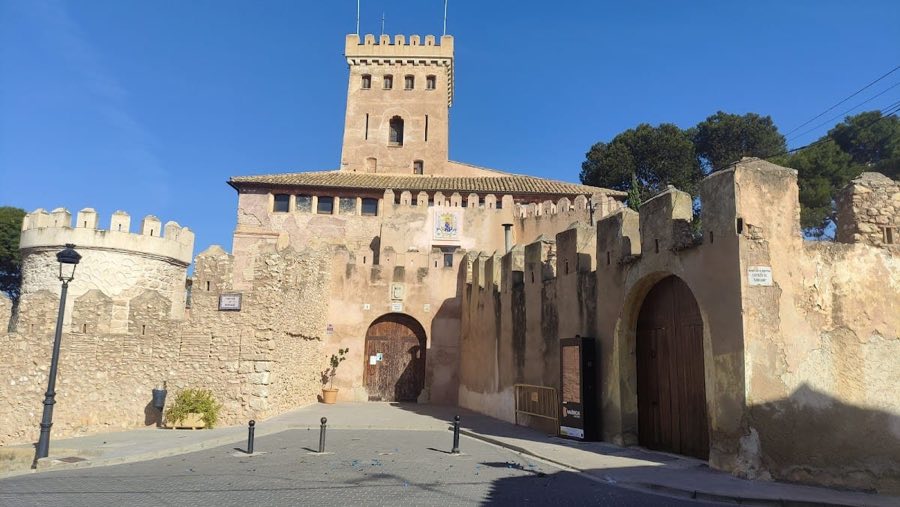
Castle of Turís
Spain
CastleRestored11th century
No. 19013
Castle · Spain
No. 19013 · 39.240 N, 0.985 W
Quick summary
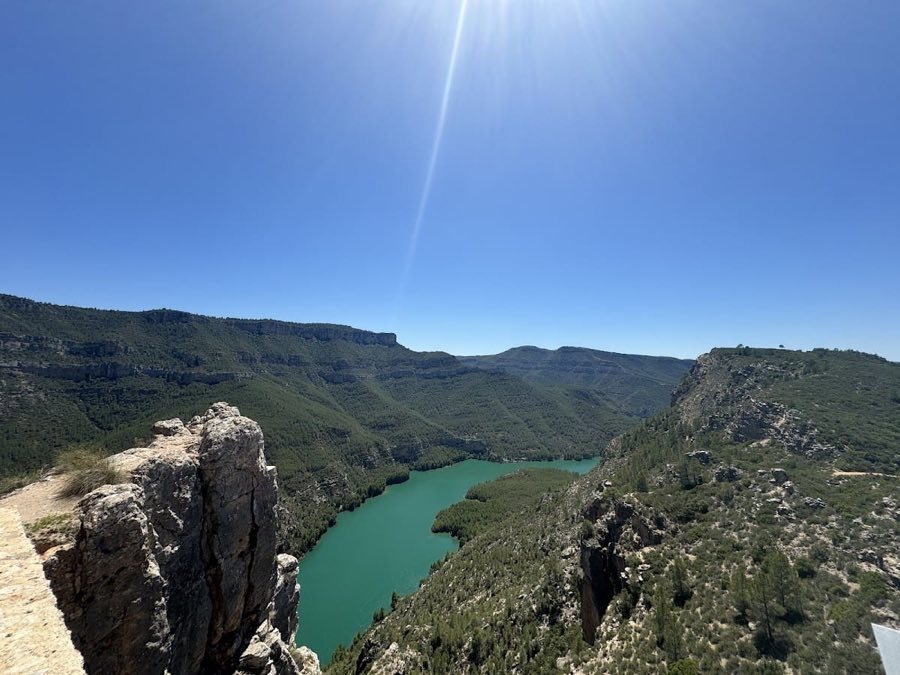
Castillo de Chirel is a castle in Spain with origins associated with the 14th century.
See all castles in SpainCastillo de Chirel is a fortress situated in the municipality of Cortes de Pallás in Spain. Its origins trace back to the period of Arab rule in the Iberian Peninsula, when it played a notable role during the Al-Azraq revolt, a significant uprising in the region.
During the 14th century, the castle maintained an active military presence, as evidenced by a 1349 document ordering the provision of food supplies to various fortresses, including this site. This indicates that Castillo de Chirel functioned as a fortified stronghold within the political and military landscape of the time. After the Christian forces conquered the area, the fortress underwent improvements, reflecting the transfer of control and adapting to new defensive needs.
The first substantial reconstruction efforts appear to have taken place in the 15th century, as suggested by architectural elements such as carefully cut ashlar stones framing its entrances, decorative shields, and curved stone pieces called voussoirs above doorways. These modifications demonstrate continued investment in the castle’s fortifications amid ongoing regional conflicts.
In the early 17th century, Castillo de Chirel played a strategic role during the resistance by the Morisco population, Muslims forcibly converted to Christianity, who resisted expulsion from Spain. The castle served as a base for government troops fighting Morisco guerrilla groups in the surrounding Muela de Cortes area, highlighting its military importance during these turbulent times.
Following the suppression of the Morisco revolts after 1609, the fortress gradually lost its strategic function. The decline of the local population and diminished geopolitical relevance of the area led to the abandonment of the castle. Over time, it fell into ruin as it was no longer maintained or occupied.
Recognizing its historical value, Castillo de Chirel was officially declared a Bien de Interés Cultural, a designation for heritage sites, on June 16, 2002, ensuring legal protection. Despite this status, it remains listed as endangered by cultural preservation groups due to its deteriorated condition.
The Castillo de Chirel stands atop a natural rocky elevation named Muela del Cinto del Castillo, shaped by the rugged terrain and deep gorges nearby. The fortress’s ground plan forms a triangular layout, tailored to fit the uneven landscape and maximize defensive advantage.
Entrances to the castle were deliberately designed to be difficult to access, incorporating an elevated walkway about one meter high. This approach is marked by a pointed arch on the outside and a semicircular arch inside, leading into a small lobby area. From here, a side corridor runs between two walls set closely together, creating a winding entry that complicates enemy advances. A similar complex arrangement was employed at the entrance to the watchtower, emphasizing layered defense.
Several defensive architectural features remain visible, including narrow vertical slits called arrow slits or saeteras, which allowed archers to fire at attackers while remaining protected. Parapets and embrasures, or small openings in the walls for shooting, contribute further to the fortress’s fortification. On one side of the castle, a moat adds an additional barrier to potential assailants.
Two towers anchor the eastern and western ends of the enclosure. One tower has a trapezoidal footprint and rises several stories high, though its interior is now ruined. The other tower, square in plan, retains two floors; the lower level preserves a barrel vault roof made of brick laid in a spiral pattern, a technique offering strength and stability. The upper floor’s roof has been lost.
The castle’s double-walled enclosure remains apparent, outlining the defensive perimeter. Within the site, a cistern known as an aljibe, once used to store water, is found, attesting to the fortress’s self-sufficiency during sieges. Main structural elements such as the double walls and towers stand as visible reminders of the site’s military past despite the ruinous condition.
Construction materials predominantly include finely cut ashlar stones around entranceways and brickwork demonstrating skilled vaulted construction. Decorative touches like carved shields and voussoirs at portals point to the care invested in rebuilding efforts during the 15th century.
Together, these architectural remains illustrate the design and function of Castillo de Chirel as a fortified site adapted to its natural environment and historical role in regional conflicts.
No. 28836
No. 62521
No. 20047
No. 47374
Comments
Comments for Castillo de Chirel will require a verified account before posting.
We'll send a verification link before your first comment is published.