No. 91516
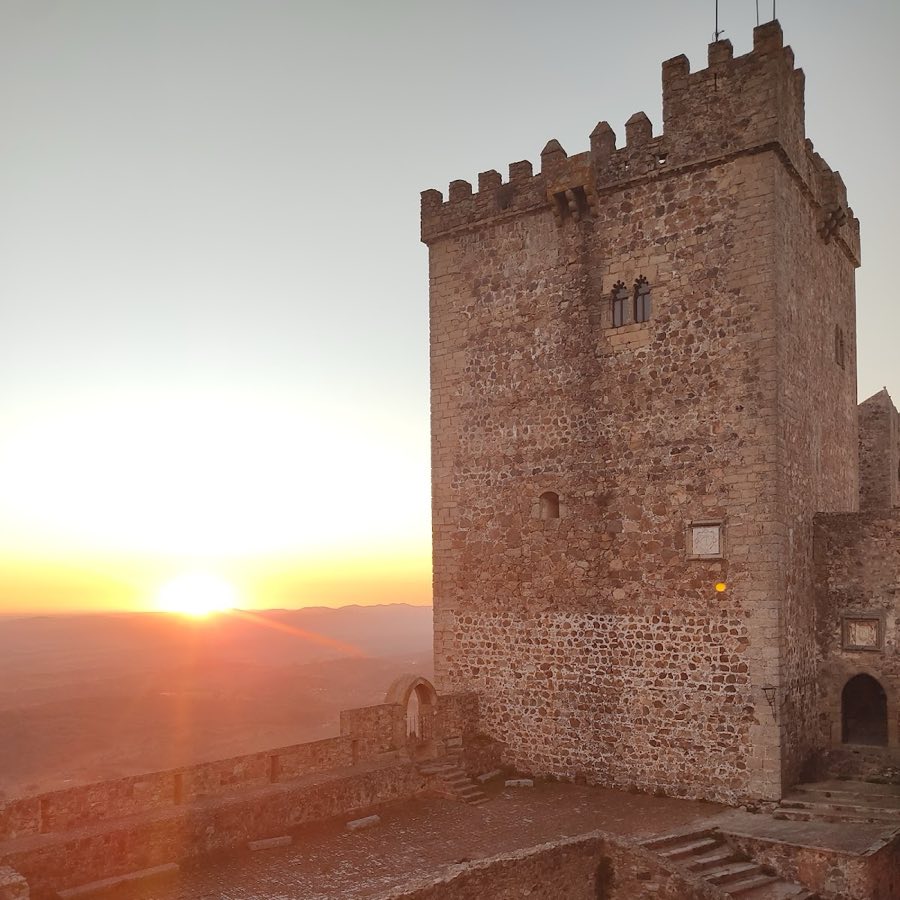
Castillo de Azagala
Spain
CastleRestored14th century
No. 15033
No. 15033 · 39.378 N, 6.474 W
Quick summary
Castillo de Mogollones is a castle in Spain with origins associated with the 15th century.
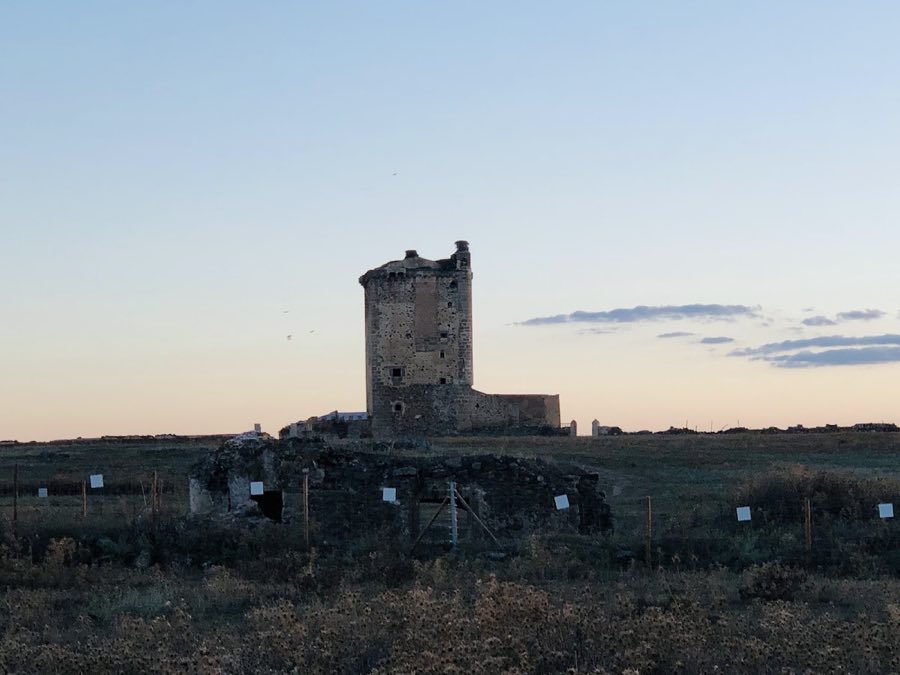
See all castles in SpainThe Castillo de Mogollones is a fortress located in the municipality of Cáceres, Spain, built during the late 15th century. Constructed under the direction of Diego García de Ulloa, a prominent figure known as “el Rico” who died in 1480, the tower forms part of a broader legacy that includes religious and civil architecture within Cáceres city itself.
The origins of the estate date back to the Mogollones family, a notable lineage involved in the reconquest of Cáceres in 1223. The estate, which eventually came to bear their name, passed through various inheritances before being consolidated under what is now known as the Heredamiento de Mogollones. This continuity highlights the family’s historical and territorial influence within the region.
During the 16th century, the area around the castle supported a vibrant rural population engaged in agriculture and livestock. Evidence of this community includes large country houses, farm estates, and several hermitages like the nearby San Jorge hermitage. Notably, mid-1500s frescoes by local artist Juan de Ribera found close to the tower indicate the presence of a settled civilian community extending beyond the fortress’ strictly military function.
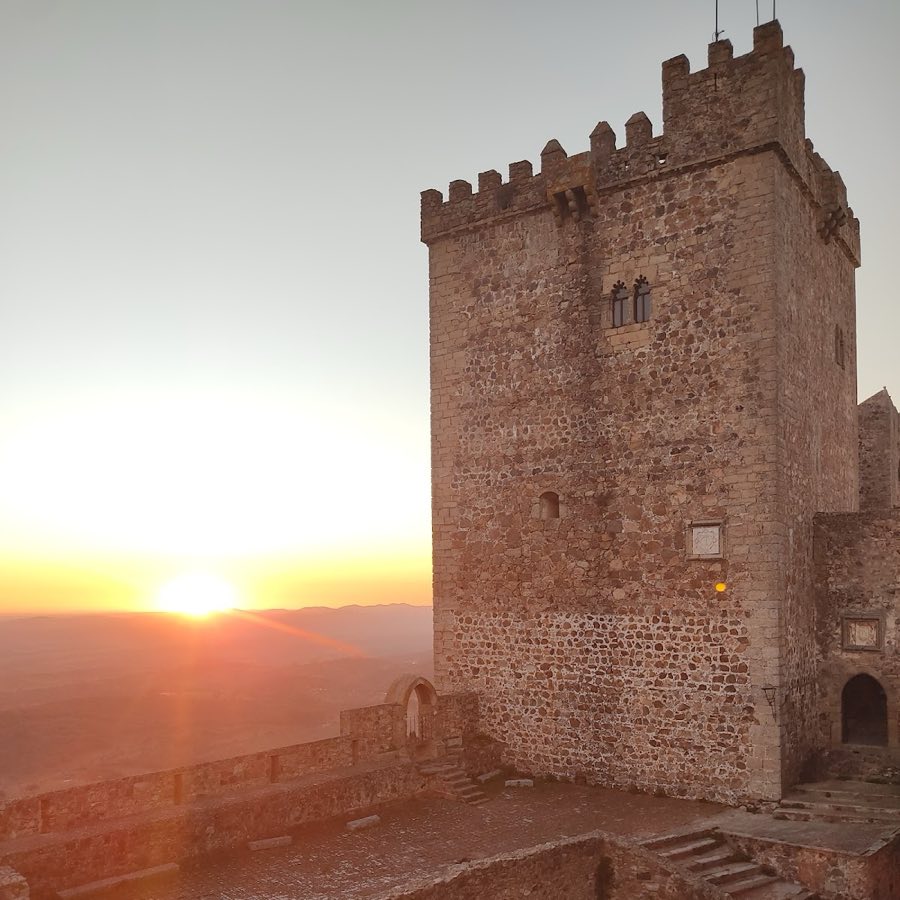
The Castillo de Mogollones stands as a rectangular keep of moderate size, built primarily in the late Gothic style typical of the late 15th century. Its construction features a three-floor tower topped by a rooftop terrace, reflecting a compact design consistent with its defensive purpose. The main entrance accentuates the Gothic influence through a pointed arch doorway framed by a marble shield displaying the Ulloa family coat of arms.
The defensive nature of the fortress is expressed through several architectural elements characteristic of the Catholic Monarchs’ era. Machicolations, which are openings through which defenders could drop projectiles, are centrally placed on each wall. At the corners, gargoyles serve a dual role of decorative water drainage and fortification. Battlements and narrow arrow slits underline the strategic intent behind the tower’s construction.
Inside the tower, the first three floors offer spacious chambers equipped with chimneys for heating and “window seats” that also functioned as lookout points. A spiral staircase housed within a small turret projecting from one corner provides vertical access while conserving interior floor space. The rooftop cornice is adorned with corbels topped by spherical decorations, enhancing the medieval character of the building.
Adjacent to the fortress lie the ruins of the San Jorge hermitage, illustrating a historical connection between military and religious structures on the estate. This proximity suggests the coexistence of spiritual and defensive concerns within the estate’s broader landscape. Collectively, these remains reflect both the practical needs and the artistic sensibilities of the time when the Castillo de Mogollones was erected.
No. 91516
No. 10265
No. 20007
No. 42832
Comments
Comments for Castillo de Mogollones will require a verified account before posting.
We'll send a verification link before your first comment is published.