No. 28720
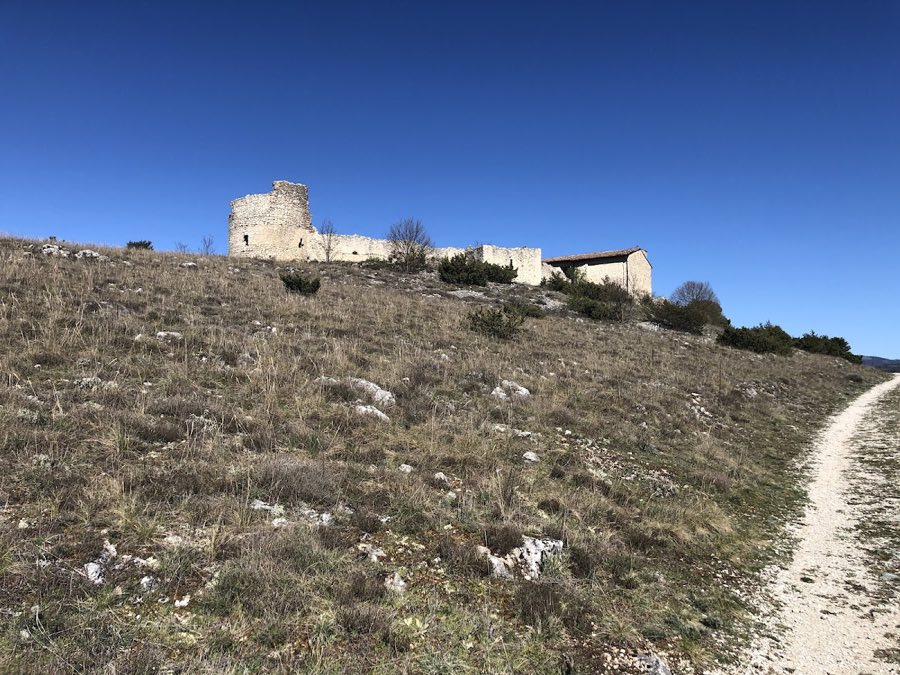
Castle of Sant'Eusanio Forconese
Italy
CastleIntact13th century
No. 92193
Castle · Italy
No. 92193 · 42.192 N, 13.676 E
Quick summary
Castle of Beffi is a castle in Italy with origins associated with the 12th century.
See all castles in ItalyThe Castle of Beffi is located in the municipality of Acciano, Italy. It was built during the medieval period by local feudal lords as part of a network of defensive positions in the area.
The first recorded mention of the castle dates back to 1185, placing its origins in the 12th century. At this time, the castle served primarily as a fortified residence for the feudal lord who controlled the surrounding territories. Its strategic importance was closely tied to its position overlooking the middle Aterno valley, a vital passageway that allowed control over access to the adjacent Subequana valley. This made the castle a crucial element in the defense and surveillance system of the region.
During the 13th and 14th centuries, the castle and its adjoining fortified village underwent significant expansion. These developments possibly took place under the influence of the Norman rulers who held sway in parts of southern Italy during this period. The castle became more entrenched as a military stronghold, reinforcing control over important routes and strengthening the defensive line of towers that protected the valley.
The Castle of Beffi is also referenced in the 11th-century Chronicon Farfense, a medieval chronicle, linking it to wider historical records of the time. In the 13th century, the castle played a role in the foundation of the nearby city of L’Aquila, indicating its involvement in the larger political and territorial developments of central Italy.
From the 18th century onward, the fortified village surrounding the castle began to be gradually abandoned, likely due to changing social and economic conditions. This process culminated in its total desertion following a damaging earthquake in the early 20th century. Restoration work in the late 1990s sought to preserve key elements of the castle, particularly the central tower, safeguarding this medieval site for future generations.
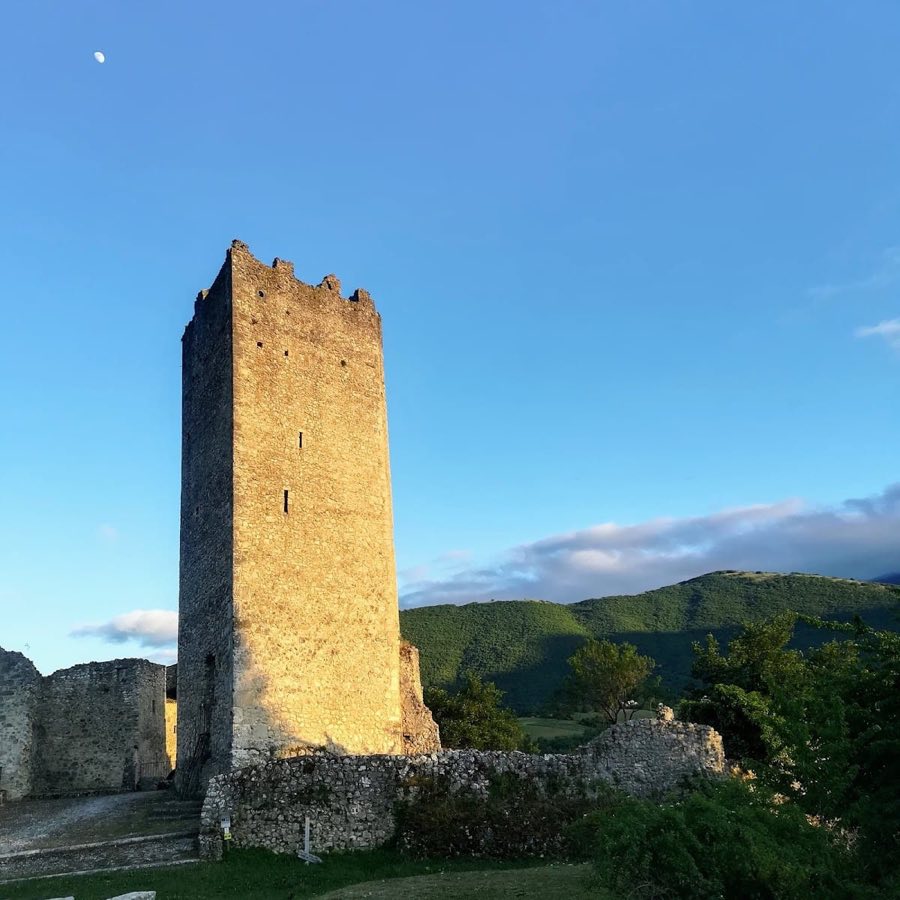
The Castle of Beffi is situated on a rocky outcrop that overlooks the valley of the Aterno river. This location exemplifies what is called a “slope castle,” a type of fortress that takes advantage of the natural slopes of a mountain for defense. The site is enclosed within a trapezoidal fortified area, designed to maximize protection while adapting to the rugged terrain.
A notable feature of the castle is the medieval stone tower, which stands over 20 meters tall and occupies the highest point within the enclosure. The tower has an irregular polygonal shape, constructed from small, uneven stone blocks carefully fitted together. It consists of four distinct floors topped by a terrace, which originally had battlements for defense. The entrance to the tower is reached at the first floor, a design that originally employed a retractable staircase to enhance security.
Surrounding the tower, there are remains of defensive walls characterized by battlements and narrow vertical slits known as arrow slits, used by archers for protection while aiming at attackers. The entrance gate to the castle is particularly well-preserved and features a pointed arch, a hallmark of medieval architecture. Above the portal, the ancient coat of arms of Beffi is displayed, showing the figure of Saint Michael standing over a tower, symbolizing protection and strength.
Inside the fortified enclosure are several residential structures built after the 13th century. These buildings exhibit a variety of layouts, reflecting the organic growth of the village within the protective walls. The site also includes caves and terraces that have been integrated with the natural rocky landscape, further enhancing its defensive and residential functionality.
Today, the castle’s remains have been partially restored, particularly the tower, allowing the medieval fabric to be better understood and appreciated. The combination of natural features and human construction demonstrates the adaptive strategies of medieval builders to secure an important defensive position overlooking key valleys in this part of Italy.
No. 28720
No. 66648
No. 60640
No. 52805
Comments
Comments for Castle of Beffi will require a verified account before posting.
We'll send a verification link before your first comment is published.