No. 46194
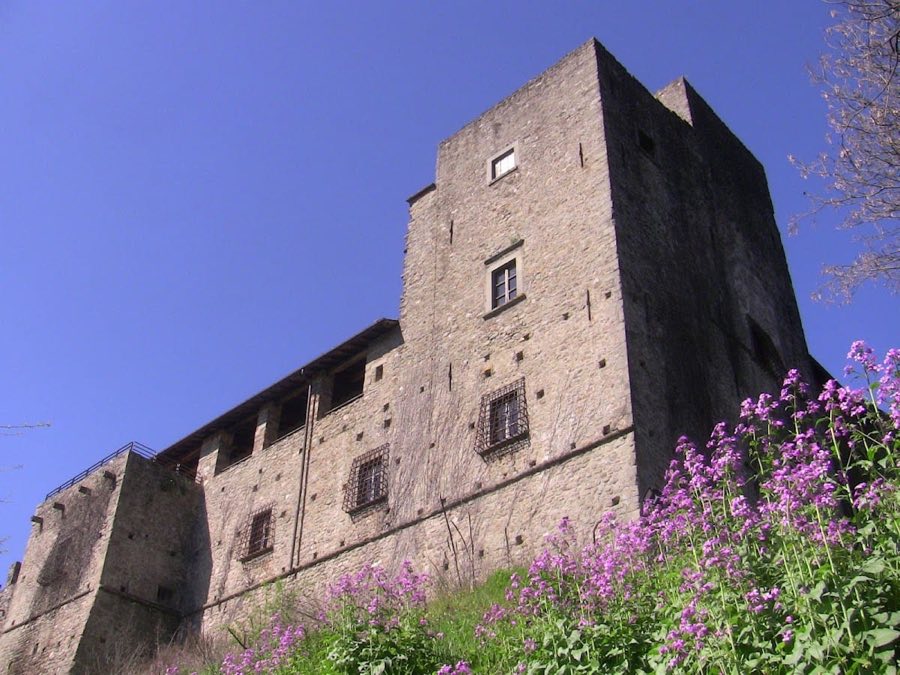
Castello di Lusuolo
Italy
CastleRuin12th century
No. 21507
Castle · Italy
No. 21507 · 44.213 N, 9.841 E
For events
Castle of Madrignano is marked as a château or castle venue lead. Capacity, indoor/outdoor spaces, catering rules, and accommodation options are published only after public verification.
Event types: Private events, Cultural gatherings, Filming and photography
Quick summary
Castle of Madrignano is a castle in Italy with origins associated with the 18th century.
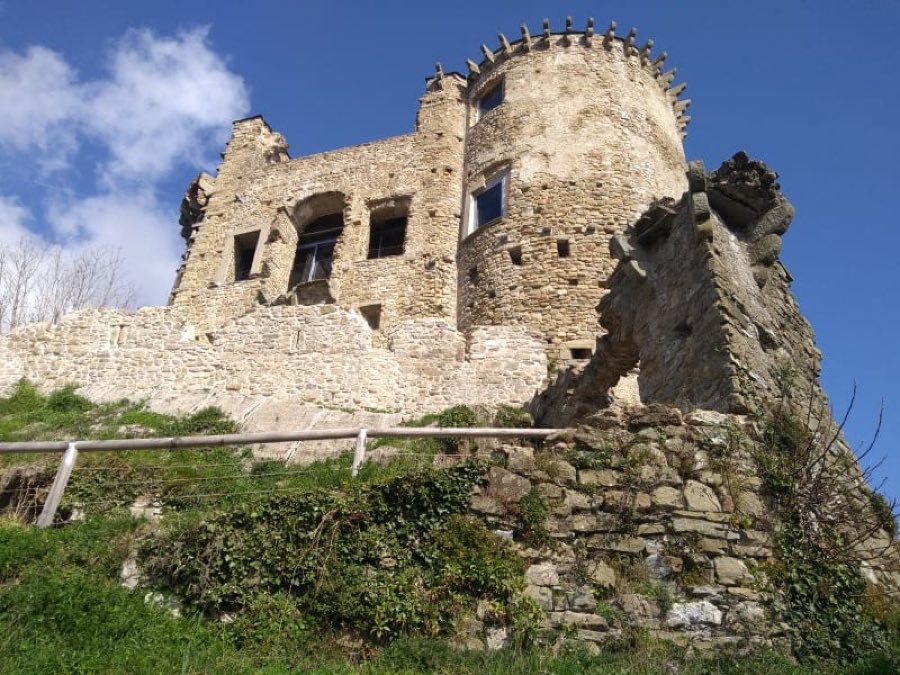
See all castles in ItalyThe Castle of Madrignano, also known as the Malaspina Castle, stands above the village of Madrignano within the municipality of Calice al Cornoviglio, Italy. This defensive structure was built by medieval powers likely connected to the Malaspina family, though its origins may trace back to earlier authorities such as the Este family or the counts-bishops of Luni who controlled the area in previous centuries.
The earliest written record mentioning the castle appears in 1164, in an imperial diploma issued by Emperor Frederick Barbarossa. This document granted the “castrum Madrognani” to Obizzo Malaspina, affirming the family’s position in the region. While this is the first definitive reference, the existence of a fortification at Madrignano probably predates this date, serving as a strategic post overseeing the Vara river valley and the coastal plains.
From 1206 onwards, the Malaspina family maintained exclusive control of the fiefdom and castle. This period marked the castle’s role as a stronghold within the family’s territories. However, their rule was interrupted in 1416 when the Republic of Genoa launched an attack during conflicts affecting the Malaspina lands, resulting in the castle’s destruction. Following this event, ownership passed to the counts of Fieschi. The castle would see brief control by the counts of Mulazzo, then return to Fieschi hands before being restored to the Malaspina in 1469. The Malaspina family retained ownership for about three centuries afterwards.
In the early 18th century, the castle faced another critical moment during the War of the Spanish Succession (1705–1706). After a twelve-day siege involving Franco-Spanish forces on one side and Austrian imperial troops on the other, the castle suffered severe damage, marking its final major destruction. Unlike after earlier conflicts, no full reconstruction followed; only some partial adaptations were made to the remaining structures.
By 1772, the castle and its nearby estates became part of the Grand Duchy of Tuscany. Later, during the era of the Kingdom of Italy, the site was used for new purposes as a prison and barracks. The castle sustained further harm from an earthquake in 1920 that struck the Garfagnana-Lunigiana region, and also from Allied air raids during the Second World War. For many years after these events, the castle was left largely abandoned, until restoration efforts began in the late 20th century.
Perched about 400 meters above sea level, the Castle of Madrignano occupies a commanding position overlooking the Vara river plain and its route to the coast. Although the exact layout is not precisely documented, it is clear the castle was constructed to serve defensive and administrative functions, typical of medieval fortifications of the region.
The surviving structures show signs of multiple phases of damage and partial repair. Walls bear traces of destruction caused by the 15th-century attack by Genoese forces and the early 18th-century siege during the War of the Spanish Succession. After the latter event, the castle was not fully rebuilt; instead, only parts of the remaining buildings were adapted for use. These include sections where interior rooms were consolidated to maintain limited functionality.
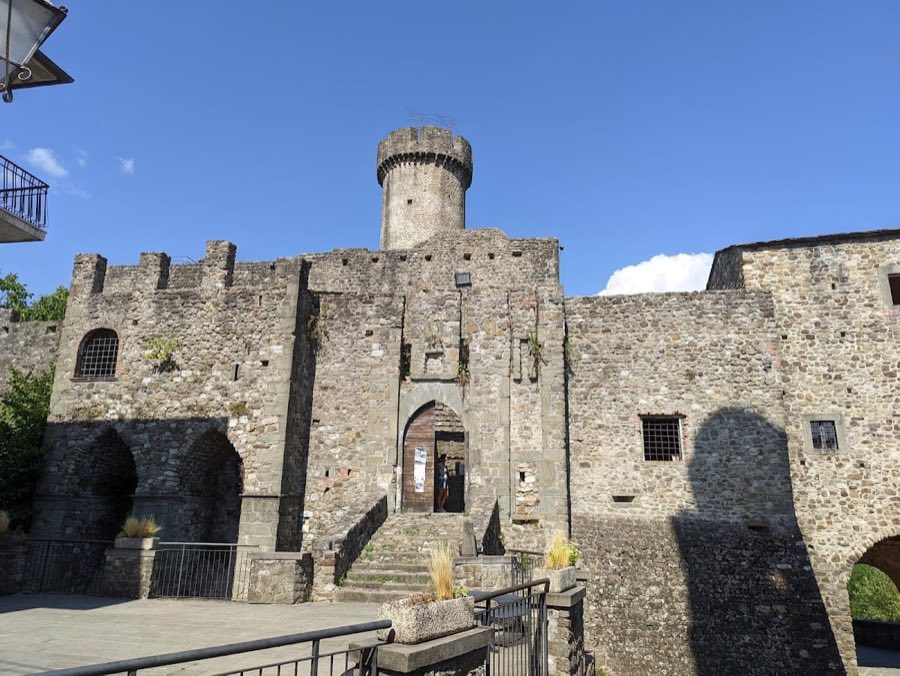
The materials and construction techniques reflect the medieval period, using stone masonry typical for fortifications in northern Italy. Restoration work since 1980 has focused primarily on stabilizing the castle’s façades and partially restoring interior spaces to prevent further deterioration. These efforts have allowed safe access to several rooms, although much of the castle exists in a fragmentary state.
Throughout its history, the castle’s physical form has been shaped by warfare, natural disasters, and changing uses, including military occupation and incarceration under more recent Italian governance. Despite substantial damage, the remains continue to provide a tangible connection to the region’s turbulent medieval and early modern past.
No. 46194
No. 92102
No. 49450
No. 82753
Comments
Comments for Castle of Madrignano will require a verified account before posting.
We'll send a verification link before your first comment is published.