No. 82753
Castello di Malgrate
Italy
CastleRuin12th century
No. 46194
Castle · Italy
No. 46194 · 44.266 N, 9.948 E
Quick summary
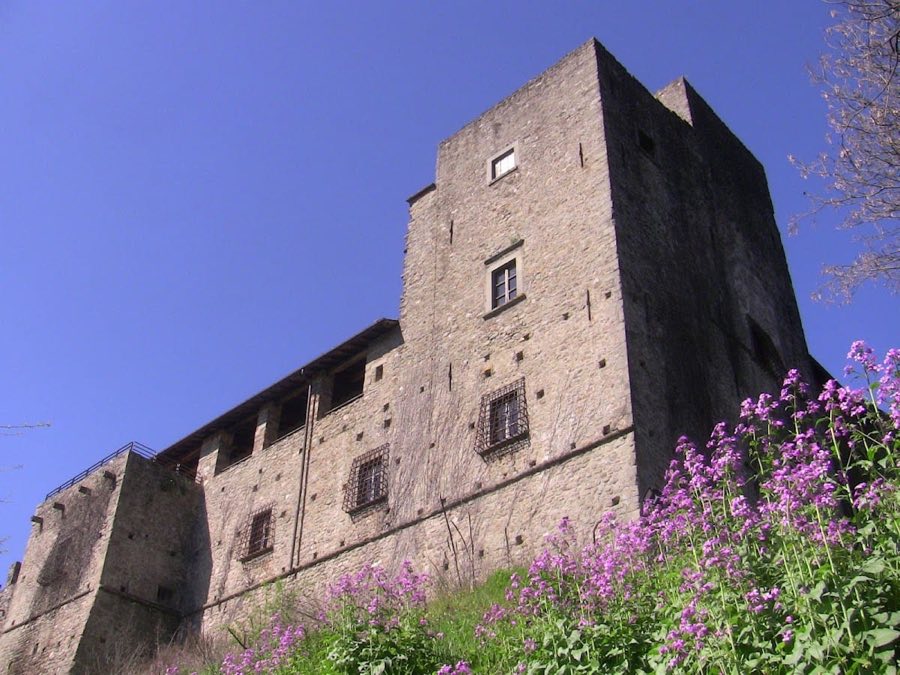
Castello di Lusuolo is a castle in Italy with origins associated with the 12th century.
See all castles in ItalyThe Castello di Lusuolo is an early medieval fortress situated in the hamlet of Lusuolo within the municipality of Mulazzo, Italy. Constructed during the early Middle Ages, it was built by the Malaspina family, a notable noble lineage in the region, with the strategic purpose of overseeing the Magra River valley and controlling a key section of the Via Francigena pilgrimage route.
During the 12th century, the fortress was under the ownership of Corrado Malaspina the Elder. By the mid-14th century, control had passed to his great-grandson, Azzone Malaspina, alongside other regional estates. The castle’s importance declined as the family line lacked male heirs, which led to the division of the fief and rendered the site vulnerable to external threats.
The 15th century was marked by fierce struggles for power between major Italian states such as Florence, Genoa, and Milan. Initially shielded by Tuscan forces, Castello di Lusuolo withstood early attacks from Genoa. However, after a protracted siege in 1449, the fortress was destroyed by the Ligurian Campofregoso family. The ruin was subsequently taken over by the mercenary leader Galeotto di Campofregoso. In 1467, with the assistance of the Marquis of Fosdinovo and the Duke of Milan, Galeazzo Maria Sforza, the Malaspina family regained the damaged castle. Despite this recovery, internal disputes within the family and ongoing pressures from Milanese and Florentine powers continued to challenge their hold on the stronghold.
By the late 16th century, after several revolts by the castle’s inhabitants, Ercole Malaspina sought protection from Grand Duke Francesco I de’ Medici of Tuscany. This led to the transfer of the entire lordship to the Grand Duke in 1575. The fortress was then absorbed into the Florentine state, undergoing reconstruction and expansion. In the early 17th century, it was adapted to serve as a fortress resistant to artillery fire, reflecting advances in military technology. Toward the end of that century, as Pontremoli became part of Tuscany, the strategic relevance of Lusuolo diminished. This change prompted a gradual dismantling of the castle’s defensive structures.
In recent times, the Castello di Lusuolo has been restored and repurposed to house the Museum of Tuscan Emigration, preserving its historical legacy while serving a cultural function.
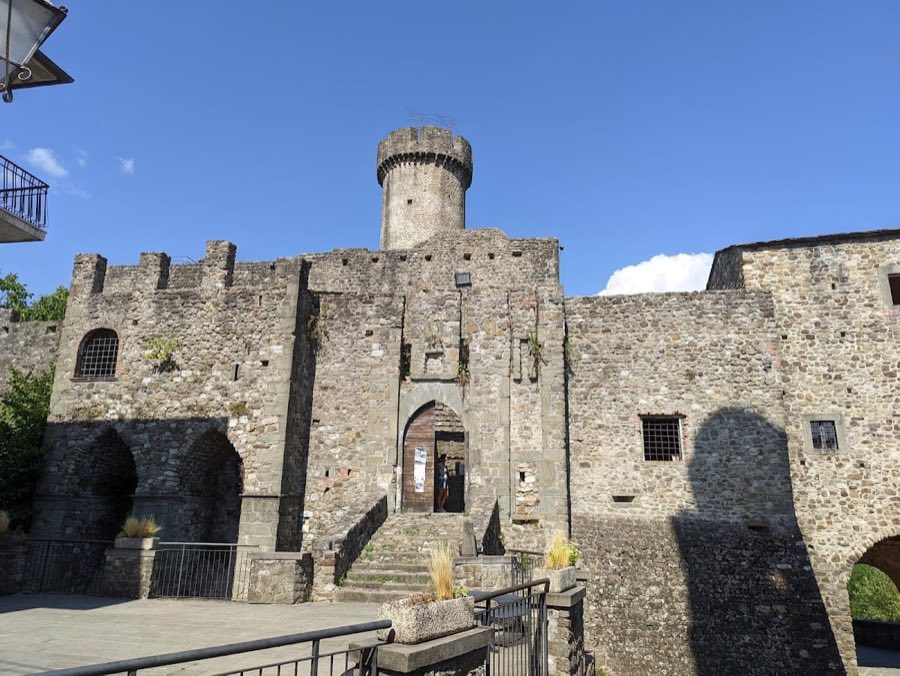
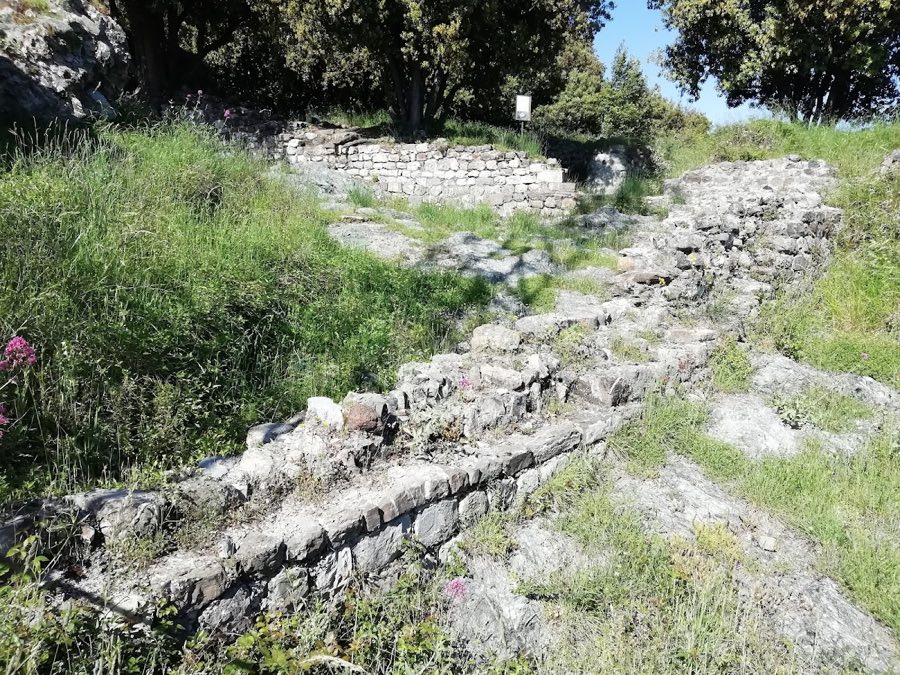
The site of Castello di Lusuolo presents a well-defined early medieval fortress accompanied by a fortified village, prominently visible from the nearby A15 Cisa highway. The layout features massive triangular-shaped walls forming the enclosure of the village, reflecting the defensive architecture intended to protect both residents and the castle’s occupants. The primary entrance lies to the south, marked by a main gate providing access into the enclosure.
The oldest stonework is found on the northern side of the fortress, where a significant tower is integrated into the defensive walls. This tower likely played a vital role in surveillance and defense during the castle’s height of use. Within the fortified area’s interior, a large trapezoidal courtyard serves as a central organizing space. At its center stands a well, essential for water access during times of siege or isolation.
On the northern edge of the courtyard, there is a substantial building featuring generously sized rooms, large fireplaces, and broad vaulted ceilings. These architectural elements indicate this structure likely served as the residence of the marquis, providing both comfort and prestige. Opposite this, on the southern side of the courtyard, remains of a partially collapsed building suggest it functioned as barracks, housing soldiers responsible for the fortress’s defense.
Over centuries, the castle and its village underwent numerous renovations and modifications. The complexity resulting from these successive changes, combined with limited written records, challenges precise dating and clear identification of the various internal spaces. Nonetheless, the enduring masonry and layout provide valuable insights into the castle’s evolution as a military and residential center throughout the medieval and early modern periods. The site today benefits from modern restoration efforts that have helped preserve its structural fabric and historical significance.
No. 82753
No. 51483
No. 21507
No. 92102
Comments
Comments for Castello di Lusuolo will require a verified account before posting.
We'll send a verification link before your first comment is published.