No. 31274
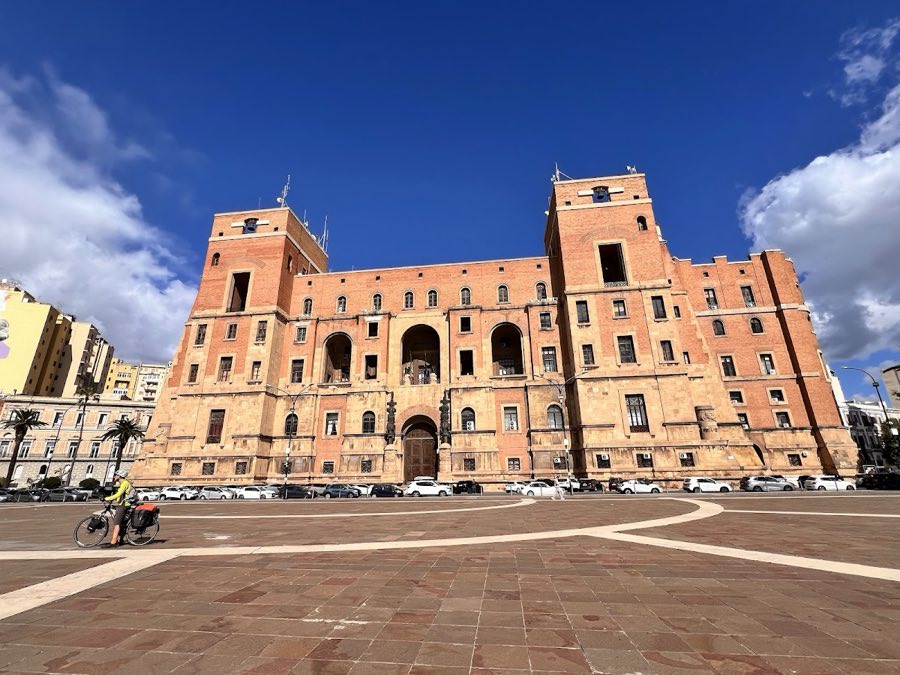
Palazzo del Governo, Taranto
Taranto, Italy
PalaceIntactFor events20th century
No. 41982
Castle · Italy
No. 41982 · 40.578 N, 17.476 E
Quick summary
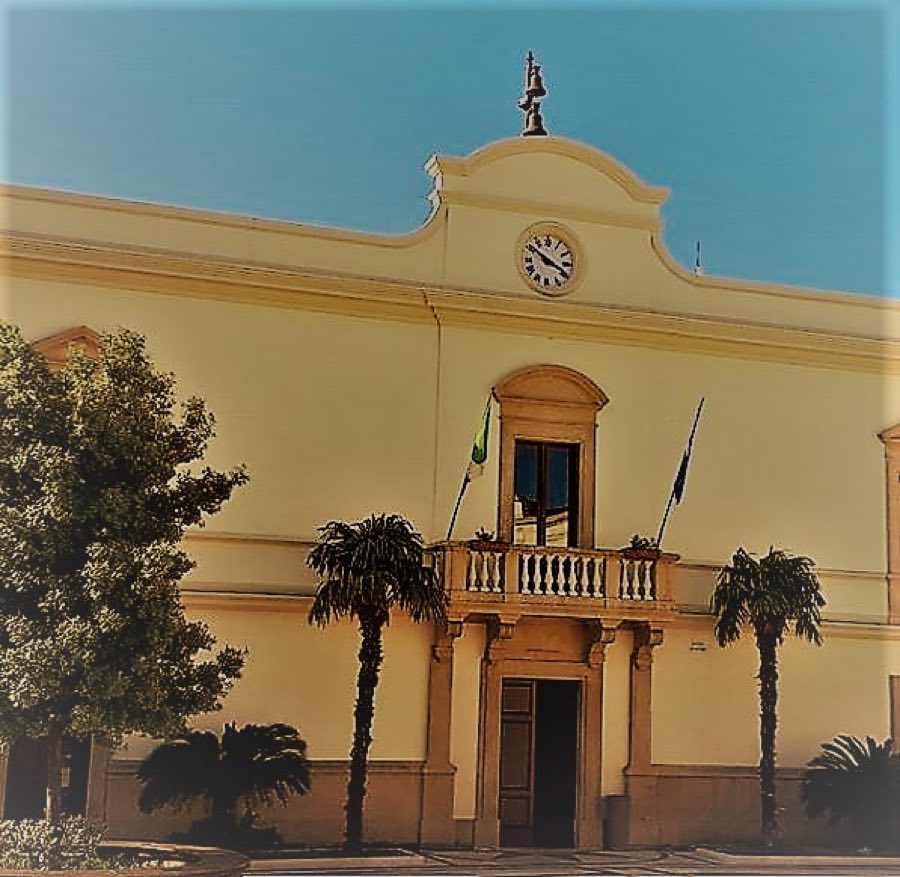
Castle of Villa Castelli is a castle in Italy with origins associated with the 14th century.
See all castles in ItalyThe Castle of Villa Castelli, located in the municipality of Villa Castelli in modern Italy, was originally constructed by medieval European nobility as a fortified residence blending defensive fortress elements with those of a noble palace. Its earliest known phase dates back to the early 14th century, emerging as part of the fortification efforts within the Oria fiefdom under the Dell’Antoglietta family, who were then known as de’ Nantoil, beginning around 1307. This period saw the construction of the oldest medieval tower that anchored the initial defensive complex.
In the mid-15th century, specifically in 1450, Prince Giovanni Antonio Orsini Del Balzo undertook significant expansions and transformed the original tower into a more formidable fortification. Ownership then transitioned during the same century to Giovanni Bernardino Bonifacio, the Marquis of Oria, marking a phase that consolidated noble control over the site.
The 18th century introduced notable changes under the Imperiali family, who reshaped the fortress from its military origins into a summer residence. Alongside this residential adaptation, they established a stud farm dedicated to the prized Murgese horses, reflecting a shift towards agricultural and leisurely pursuits. Subsequent proprietors, the Ungaro family, further evolved the castle’s function by converting it into a ducal palace, indicating its importance as a noble dwelling.
In the years that followed, the fortress came under the administration of a castellan named Antonio d’Arco. By the 20th century, the castle’s purpose shifted once again, serving practical community functions such as a barracks and later a school. Following these uses, portions of the building underwent restoration and were adapted to house municipal functions, including the town hall, a gallery for art, and an archaeological museum.
Religious presence at the castle was marked by the construction of a chapel dedicated to the Holy Crucifix (Santissimo Crocifisso) in 1822, created from part of the former stables. This chapel gained parish church status and was consecrated in 1830 by the Bishop of Oria, embedding a sacred element within the historic complex.
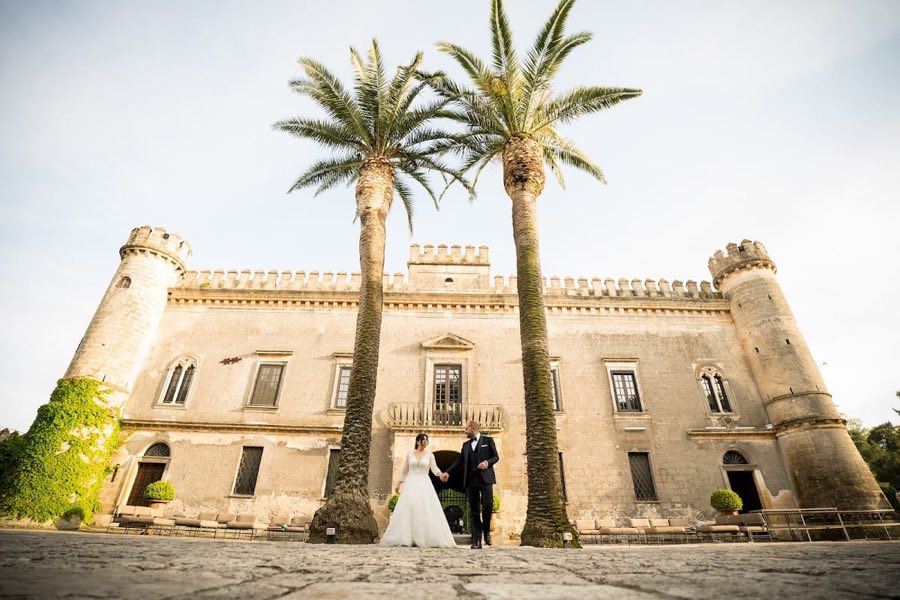
The castle stands prominently atop the final hill of the Murge plateau, overlooking the Salento plain, and showcases a blend of medieval and Renaissance architectural styles reflective of its lengthy history. Its layout consists of two unevenly sized floors arranged with an eclectic design that has evolved over centuries. Natural defenses were enhanced by a deep ravine flanking the southern and eastern sides, integrating the landscape into the site’s fortification strategy.
The ground floor maintains much of the original fortification’s structure and internal appearance, preserving aspects of medieval military architecture up to the 19th century. One notable feature on the southern side is the ancient keep, or mastio, which has been fully incorporated into the castle’s design and presently serves as the Council Chamber. This element highlights the lasting significance of the original tower within the ensemble.
On the northern façade, multiple renovations have altered its appearance over time. The first-floor windows display refined decorative elements that offer contrast to the solid, heavy stonework below. The noble first floor features imposing vertical surfaces softened by window openings, adding a graceful balance to the masonry’s rigidity.
Inside, visitors encounter a vaulted entrance hall characterized by a barrel vault, a continuous arch structure providing both support and aesthetic value. A staircase leads upward to a gallery lined with windows and doors framed in Renaissance-style cornices from the 20th century, reflecting later restorative touches that respect historical styles.
The castle’s walls on the upper floor also serve as a gallery space for contemporary art, featuring numerous paintings by Giacomo Cesarea. His works, in impressionist and colorist styles, depict landscapes of the local rural area and portray traditional trulli dwellings, connecting the site’s cultural heritage to regional identity.
Part of the stables was preserved and converted into a chapel in the early 19th century, embedding a place of worship within the formerly utilitarian spaces of the castle. This adaptation reflects the layered use of the building across time.
Archaeological finds from nearby sites such as Monte Scotano, Pezza Petrosa, and Pezza Monache are displayed within the castle, exhibited in permanent collections on both the ground and first floors. These artifacts offer a further layer of historical interest, linking the castle not only to regional nobility but also to the wider prehistoric and ancient past of the area.
No. 31274
No. 15954
No. 23267
No. 91285
Comments
Comments for Castle of Villa Castelli will require a verified account before posting.
We'll send a verification link before your first comment is published.