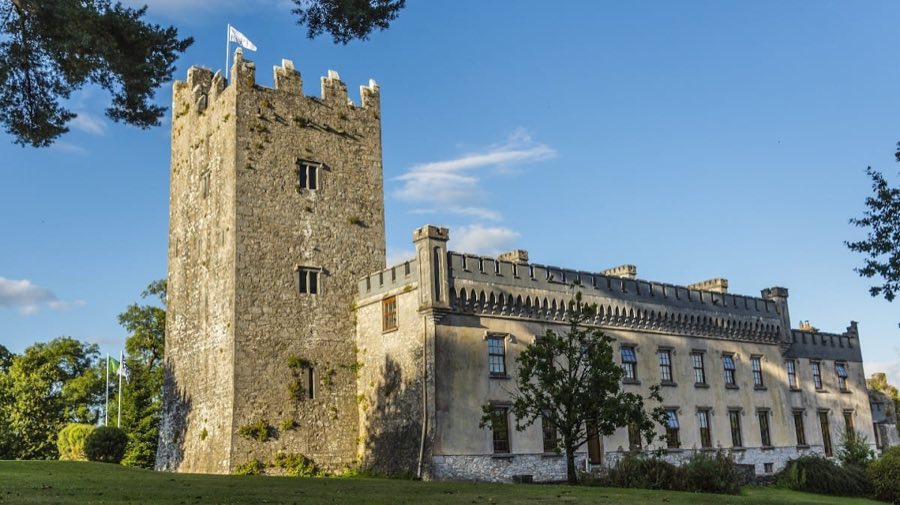
No. 82921
Blackwater Castle
Ireland
CastleRestored12th century
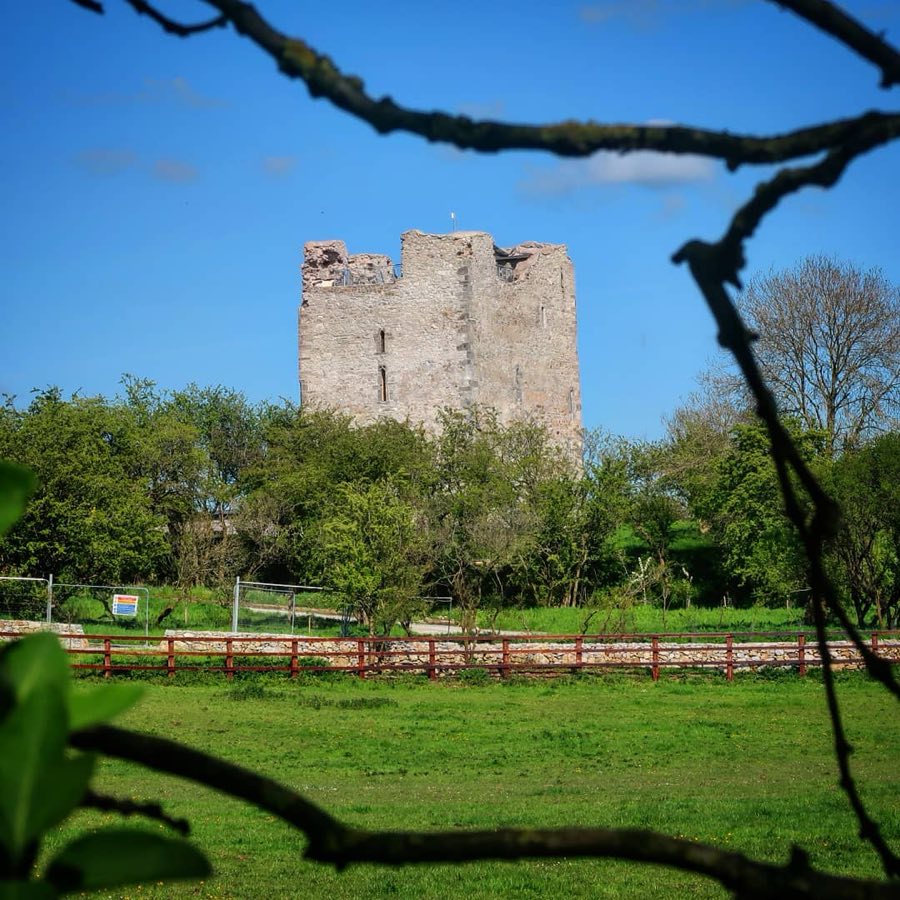
No. 12317
No. 12317 · 52.254 N, 8.564 W
Quick summary
Castlepook is a tower house in Ireland with origins associated with the 12th century.
See all castles in IrelandCastlepook is in Castlepook South, Co. Cork, Ireland, and was constructed under Norman influence.
Ancestral links begin in the late 12th century when a man named Sinad is recorded as arriving in Ireland with Richard de Clare, known as Strongbow, in 1171. A descendant, Fitz Adam Synan, appears in the Doneraile area in the 13th century, possibly in 1251, and took a lease on land at Kempock for an annual rent of one pound of pepper, a payment noted as continuing until 1541.
The surviving tower house at Castlepook was raised in 1380 for the Synan family. Tradition names a knight of Norman origin, Geoffrey called “the Red,” as the builder. The Synans remained associated with the place through the later medieval period.
During the 16th and early 17th centuries members of the Synan family received royal pardons; in 1573 Ames Reg Synan was pardoned in relation to large debts owed to the Crown, and in 1601 a Patrick of Castle Fowk received a pardon. In 1611 royal grants link the Lords Roche with principal landlordship in the area. In 1636 Michael Synan transferred extensive estates to a member of the St. Leger family for three hundred pounds. Two years later, in 1639, St. Leger received funds from King Charles I to put those lands in order, and a document of that time described St. Leger as having ancient rights despite the Synans having held the lands for more than four centuries. The Lords Roche surrendered their holdings in 1641 and the estates passed to St. Leger.
In the 18th century Castlepook remained occupied at least intermittently. Richard Morgan died there in 1748 at the age of 106 and was buried at Buttevant Abbey. The last named resident recorded is Philip Morgan in 1750. The last Synan mentioned in records is Shinán Fitz‑Robert of Castle Pook. The site has also been recorded under variant names; it is known as Castle Pook and in Irish as Caisleán an Phúca, and a description from 1814 renders the name in Cyrillic as “замок Пукі.” Local tradition links the castle to a nearby cave now called Mamontova and to a spirit figure variously called the Fúca or Púca, stories telling that the creature brought grain to starving people and later stopped after being given clothing.
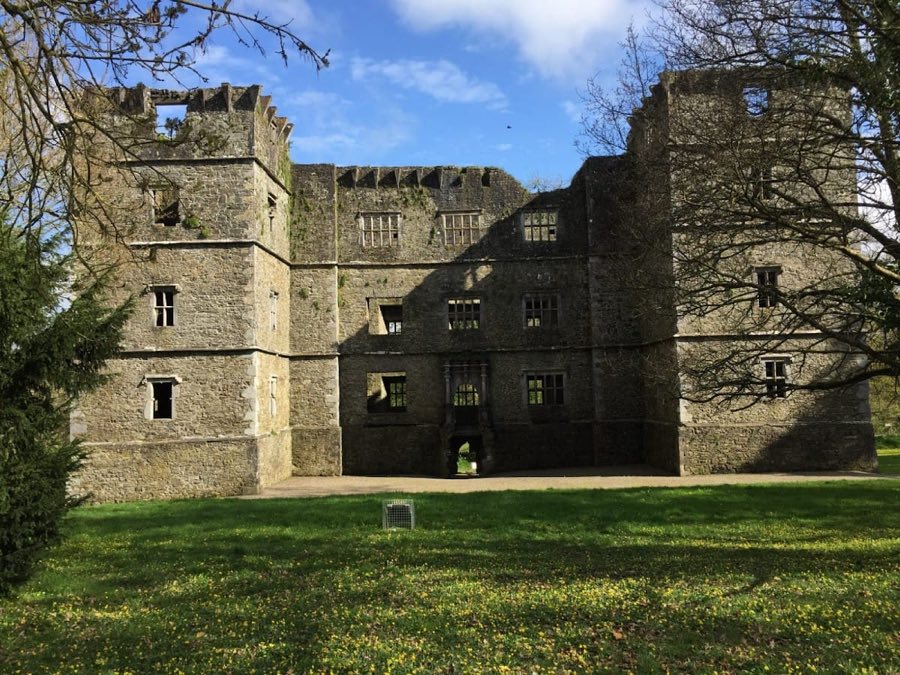
The ruin is a limestone-built Norman-style tower house whose main vault remains standing. The structure dates to the late 14th century and was erected in coursed limestone, with a stone barrel or ribbed vault forming the roof of at least one principal chamber or floor. That vaulted roofing survives in situ and is noted as intact.
The building once contained a helical stone staircase, its spiral form cut into masonry to provide access between floors. Reports disagree about the stair’s original position, some placing it in the northwest corner and others in the southwest corner of the tower. Much of the finely dressed stone that would have formed stair treads and the smooth surrounds for windows and doors has been removed over time and has been taken for other building uses or destroyed.
Overall the site survives as a ruin with substantial loss of worked stone, while the vaulted stone roof stands as the most complete element. Oral tradition specifically ties the castle to a nearby cavern called Mamontova and recounts tales of the Púca, narratives that have been attached to the place in local memory.
No. 82921
No. 53153
No. 14775
No. 85306
Comments
Comments for Castlepook will require a verified account before posting.
We'll send a verification link before your first comment is published.