No. 50398
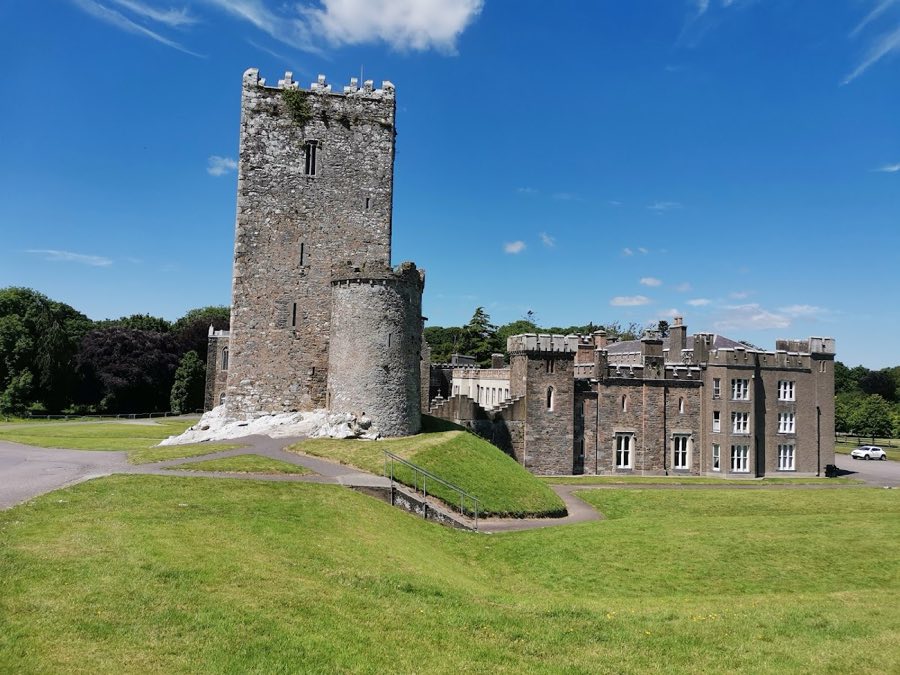
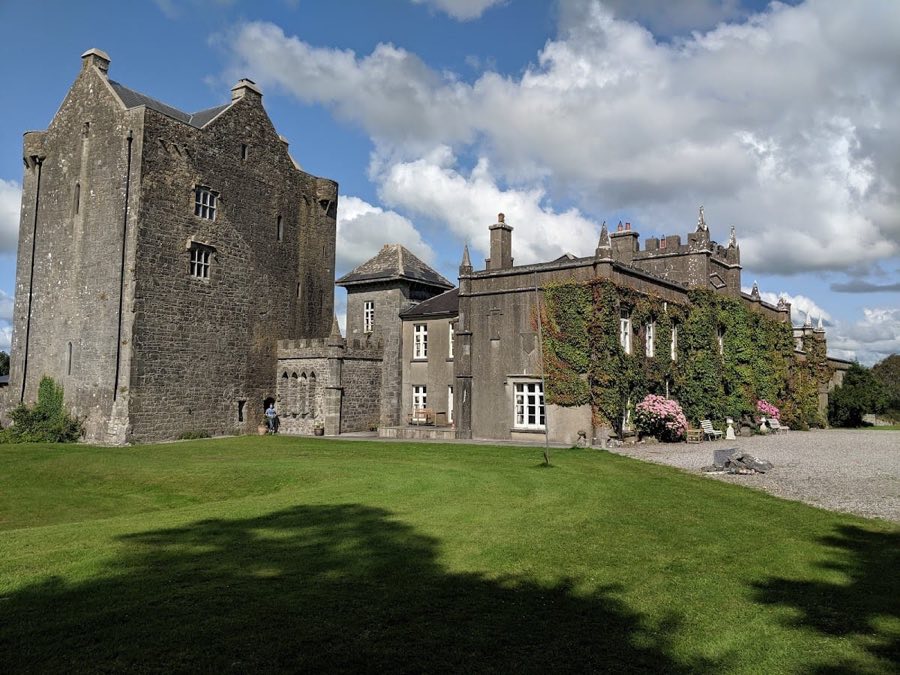
Drishane Castle
Ireland
Tower houseRestored14th century
No. 85306
No. 85306 · 52.165 N, 8.903 W
Quick summary
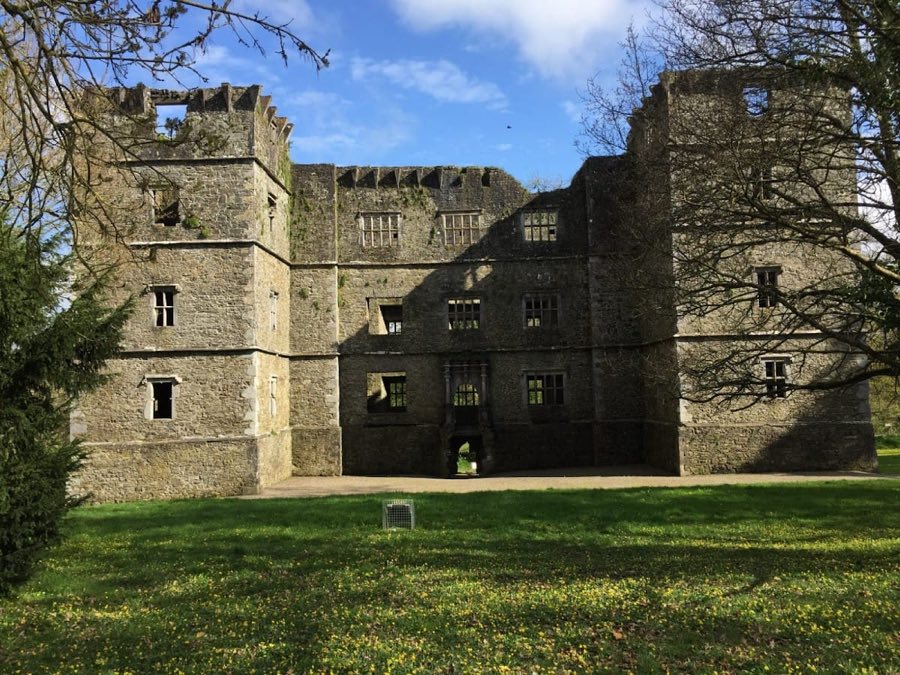
Kanturk Castle is a castle in Ireland with origins associated with the 17th century.
See all castles in IrelandKanturk Castle is located in the town of Kanturk in Ireland and was constructed by the Gaelic MacDonagh MacCarthy family around the year 1601. This formidable stronghold was intended as a defensive measure during a turbulent period marked by conflict between Irish clans and English settlers advancing into the region.
The castle’s site, historically referred to as “The Old Court,” became central in the complex power struggles among local Irish families, including the MacDonaghs, MacCarthys, and a number of neighboring clans such as the O’Liffes, O’Keeffes, and O’Callaghans. These clans often competed for control of territory and influence within County Cork, with Kanturk Castle positioned strategically as a fortification to repel English encroachment. The building of the castle itself reflected this martial purpose, embodying the resistance of native Irish leaders against attempts to establish English dominance.
Despite its ambitious scale, the construction of Kanturk Castle was interrupted by the English Privy Council, which viewed the site as a potential military base for launching attacks against English settlers. Following the official order to halt building efforts, MacDonagh MacCarthy reportedly destroyed the striking blue ceramic roof tiles by casting them into a nearby watercourse, now known as the Bluepool Stream. This act symbolized both defiance and compliance with the Crown’s directive, leaving the castle incomplete. Over time, the structure survived as a reminder of the era’s social and political tensions and has since been designated a National Monument, under the care of An Taisce, Ireland’s National Trust organization.
Kanturk Castle remains today as an enduring example of early 17th-century Irish defensive architecture, despite its unfinished state. The building is a Tudor-style fortified house composed primarily of rough limestone rubble. It occupies a rectangular footprint roughly 28 meters long and 11 meters wide. Four corner towers originally rose higher than the main structure, reaching up to five stories and standing approximately 29 meters tall, although the entire complex was never brought to completion.
The castle’s walls and towers were constructed to provide both living quarters and strong defensive positions. Architectural features include various fireplaces, windows, and doorways typical of fortified houses of this period, reflecting both domestic and military functions. The distinctive blue ceramic tiled roof, once a notable feature, was deliberately destroyed during construction cessation, with fragments said to have been thrown into the nearby Bluepool Stream, which retains its name in reference to this event.
Though now a ruin, the castle still exhibits the mass and scale of its original design, with much of the limestone wallwork remaining standing in situ. Photographic records and preservation efforts have documented its condition, allowing insights into the building techniques and stylistic choices employed by its builders. As a recognized National Monument, the site is protected and managed to conserve its historical and architectural value for future study.
No. 50398
No. 53153
No. 14775
No. 23127
Comments
Comments for Kanturk Castle will require a verified account before posting.
We'll send a verification link before your first comment is published.