No. 23127
Springfield Castle
Ireland
CastleRestored15th century
No. 14775
Castle · Ireland
No. 14775 · 52.339 N, 8.851 W
Quick summary
Kilbolane Castle is a castle in Ireland with origins associated with the 13th century.
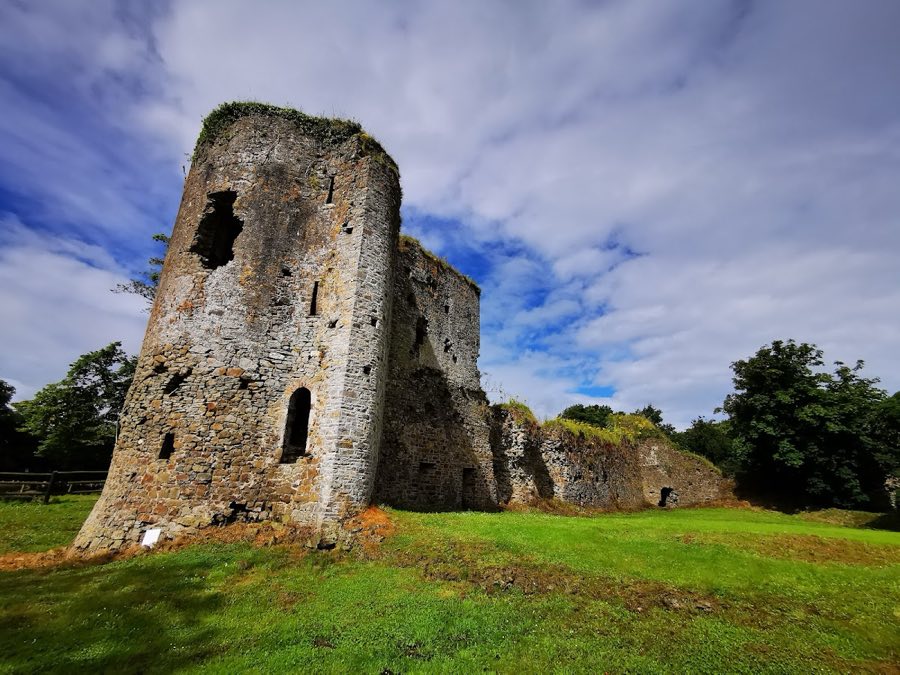
See all castles in IrelandKilbolane Castle stands in Kilbolane, County Cork, Ireland, established by the Anglo-Normans. A fortified site grew here soon after their arrival and likely served as the De Cogan family stronghold. By 1291 the castle lands were recorded in the Pipe Roll of Cloyne as church property held from the Bishop of Cloyne. The Synan family had an early association and a tomb dated 1446 was located in the medieval church on the site.
The fortress follows a 13th-century Norman plan, although some records attribute its fabric to the 15th or 16th century while retaining that earlier form. Control passed to the Earls of Desmond and later to the Fitzgibbon branch of the Fitzgeralds. In 1587 the castle was granted to Hugo Cuffe and in 1590 to Sir William Power, husband of Helena FitzGibbon, which returned the property indirectly to the Fitzgibbons.
During the mid-17th century the castle was destroyed in the Cromwellian wars: one account places destruction in 1642 leaving only two towers, while other records note damage between 1649 and 1653. The surviving east tower was acquired by Captain John Nicholls, who built a single-storey house against the enclosing bawn wall and later conveyed the property to his eldest grandson, John Bowen. Shortly after 1695 Bowen began Kilbolane House at the garden end of the grounds.
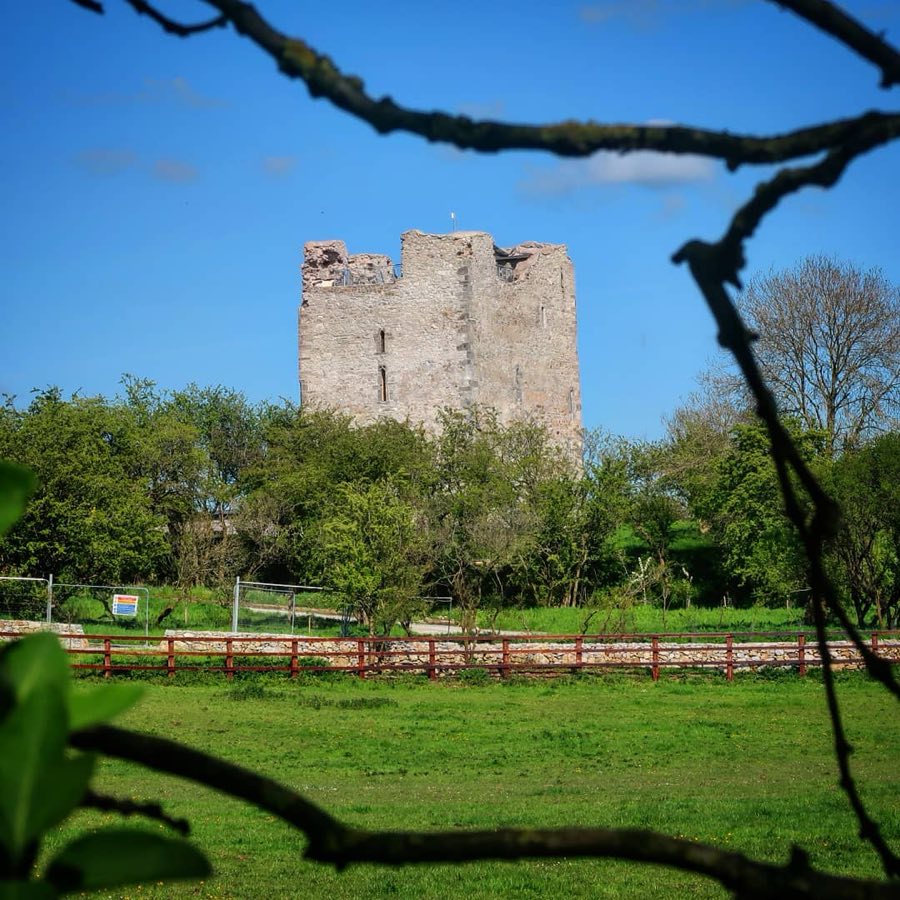
A new parish church was built in 1832, principally funded by the Reverend J. Bruce with assistance from the Ecclesiastical Commissioners; the Synan tomb from the old church was moved into the new building. In 1897 the ruined castle and grounds were purchased by David O’Leary Hannigan JP. The south tower and the western curtain wall survive and are maintained by the Office of Public Works. The site is recorded as a National Monument.
Kilbolane occupies a commanding position on Kilbolane Hill, about half a kilometre from the village of Milford. The layout follows a Norman defensive plan, with high curtain walls linked by round guard towers and a moat recorded around the enclosure. The western curtain wall and the south tower survive today and are under the care of the Office of Public Works.
The curtain walls form the principal enclosing element and connect the circular towers; the surviving western stretch and the south tower are the most complete remains. Two towers remained after the 17th-century destruction and the east tower passed into private hands for a time. Captain John Nicholls adapted part of the defensive perimeter for domestic use by building against the bawn wall, and this post-medieval reuse continued when Kilbolane House was begun shortly after 1695.
A funerary element survives in the record: the Synan family tomb dated 1446 was removed from the medieval church and placed in the 1832 parish church. Overall the monument exists as a ruin with two towers noted to have survived the 17th-century destruction, and with the south tower and western wall preserved by the Office of Public Works.
No. 23127
No. 82993
No. 85306
No. 12317
Comments
Comments for Kilbolane Castle will require a verified account before posting.
We'll send a verification link before your first comment is published.